
Apple Begins Phasing Out Rosetta Support for Mac Users

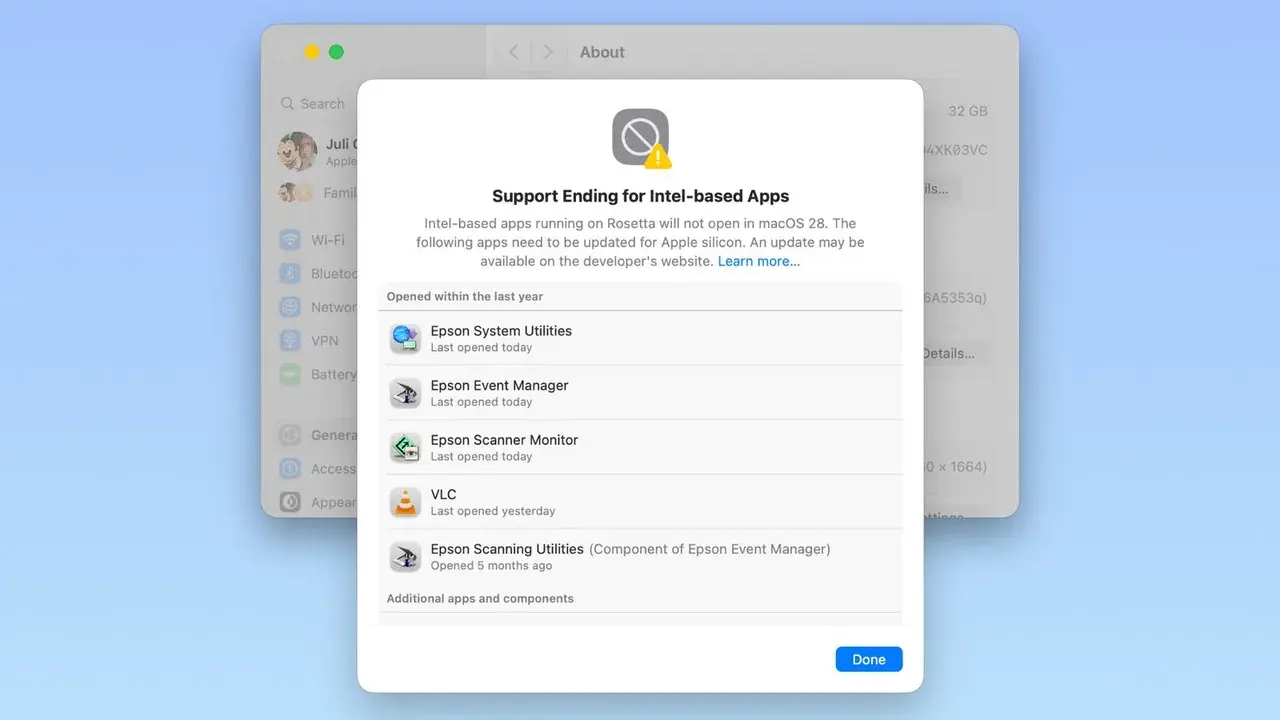
Apple is officially initiating the final phase of its transition away from Intel architecture by gradually ending support for Rosetta 2 technology on Apple Silicon Macs. This move, highlighted in the latest macOS Golden Gate and upcoming macOS 28 releases, marks the end of an era where Intel-based applications could run seamlessly on M-series chips. As the company focuses entirely on its proprietary hardware, users are being warned that legacy software relying on this translation layer will soon cease to function. This strategic shift ensures that the Mac ecosystem remains optimized for modern ARM-based processing performance.
- macOS Golden Gate introduces a dedicated interface to help users identify which legacy applications will soon stop functioning.
- Apple has confirmed that macOS Tahoe remains the final major operating system version compatible with Intel-powered Mac hardware.
- The removal of Rosetta support signifies that future macOS versions will require native Apple Silicon code for all software operations.
New Tools Help Users Identify Legacy Intel Applications
To prepare users for the eventual removal of translation support, Apple has integrated new diagnostic tools within the operating system. When users launch an application that requires Rosetta or restart their computers, the system now provides clear notifications regarding software compatibility. This transparency is designed to prevent sudden workflow disruptions when the technology is finally retired.
The macOS Golden Gate update features a specific menu that lists every application currently relying on the Intel translation layer. By navigating through Settings, General, and About, users can select the “Intel-Based Applications” option to view a detailed report. This interface allows individuals to see exactly which software packages are at risk of becoming obsolete on their current hardware.
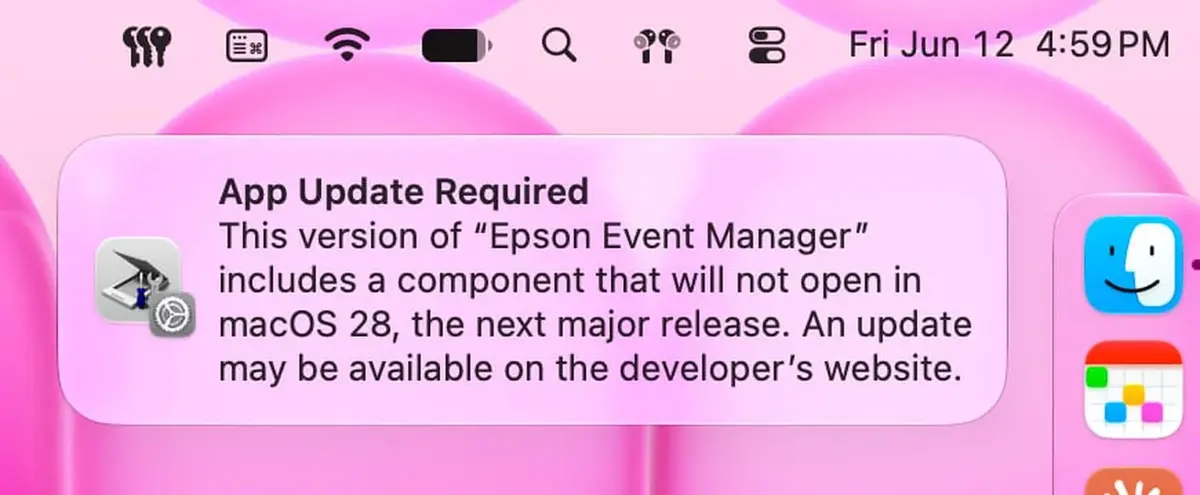
Providing this information early gives professional users and casual consumers alike the necessary time to contact software developers for updates. If a native Apple Silicon version is not available, this window allows users to search for alternative solutions before their existing tools become completely inaccessible. Unlike previous versions, macOS Golden Gate does not include Rosetta as a pre-installed component, requiring a manual installation prompt when an Intel app is first opened.
This transition signifies that Apple is no longer willing to compromise system efficiency for the sake of legacy software compatibility.
macOS Golden Gate Mandates the Use of Apple Silicon
The hardware requirements for the latest operating system updates clearly reflect Apple’s long-term strategy. While macOS Tahoe served as a bridge by being the last major release to support Intel-based Macs, macOS Golden Gate marks a definitive turning point. The new version requires an Apple Silicon processor for installation, effectively leaving Intel hardware behind in the legacy category.
This hardware exclusivity is paired with stricter software limitations. Apple has begun blocking the installation of specific system components that rely on Rosetta, such as certain authentication plugins and pre-login helper tools. These low-level system files must now be written natively for the ARM architecture to function within the macOS Golden Gate environment. This ensures that the most sensitive parts of the operating system operate with maximum security and speed.
Apple’s decision to sunset Rosetta 2 follows a similar pattern to the original Rosetta, which facilitated the move from PowerPC to Intel processors in the mid-2000s. The company typically provides a few years of overlap to allow the industry to catch up before moving forward with a unified, native-only architecture. Since Intel Mac sales ended several years ago, the company believes the ecosystem is now ready for a full transition.
The Transition Strategy Severs Final Ties With Intel Architecture
By removing the Rosetta translation layer, Apple is able to streamline the macOS codebase. Maintaining a translation layer requires significant system resources and complicates the development of new OS features. Removing this legacy support allows Apple engineers to focus entirely on the unique capabilities of the M-series chips, including their advanced neural engines and unified memory architectures.
As macOS 28 approaches, the expectation is that Rosetta will lose functionality for the vast majority of consumer applications. This move will likely force the remaining developers who have not yet optimized their software to finally release native versions. For the user, this means better battery life, faster app launches, and a more stable computing experience across the board.
The removal of Rosetta support represents the final stage of Apple’s journey toward complete hardware and software independence.
Ultimately, the end of the Rosetta era is a testament to the success of the Apple Silicon transition. What was once a necessary bridge has now become a hurdle to future innovation. Users are encouraged to audit their software libraries now to ensure they are not left behind as the Mac platform moves into its next generation of performance.
Are there any specific Intel-only applications that you are still waiting to see updated for Apple Silicon? Share your thoughts in the comments below.
Your comment has been submitted,
it will be published after approval.