
Apple Begins Testing Chinese RAM Chips from CXMT


Tech giant Apple has officially initiated testing procedures for DRAM memory chips manufactured by the Chinese firm ChangXin Memory Technologies (CXMT), according to recent industry reports. This strategic move, which surfaced this week, aims to address persistent global memory supply chain constraints while diversifying the company’s reliance on traditional suppliers. By evaluating these domestic Chinese components, Apple intends to mitigate the risks posed by the ongoing RAM shortage that has impacted the broader consumer electronics market. The company plans to restrict the integration of these specific CXMT components exclusively to devices destined for the Chinese market, a tactical decision intended to shield the brand from international political scrutiny.
- Apple has commenced technical evaluations of DRAM chips produced by the Chinese manufacturer CXMT.
- The company restricts the potential use of these memory modules to devices sold within the Chinese market.
- Global RAM shortages compel technology manufacturers to seek alternative supply chain sources.
- Strategic partnerships with companies on US trade restriction lists pose potential diplomatic and reputational risks.
Apple’s move to diversify its memory supply chain could significantly alter global technology market dynamics.
Political Risks and Commercial Strategies are Being Evaluated
The decision to engage with CXMT, a company currently on the United States trade restriction list due to alleged military ties, places Apple in a delicate geopolitical position. While the procurement of such components for local distribution does not necessarily violate current legal frameworks, the move invites significant scrutiny regarding corporate brand image and international trade relations. Analysts suggest that by limiting the scope of this partnership to the Chinese domestic market, Apple is attempting to balance its competitive edge in the region with the need to navigate potential tensions with the incoming U.S. administration.
This is not Apple’s first foray into Chinese memory supply integration. Since 2022, the tech giant has been assessing NAND flash memory chips from YMTC, indicating a long-term shift rather than a reactionary measure to current market conditions. 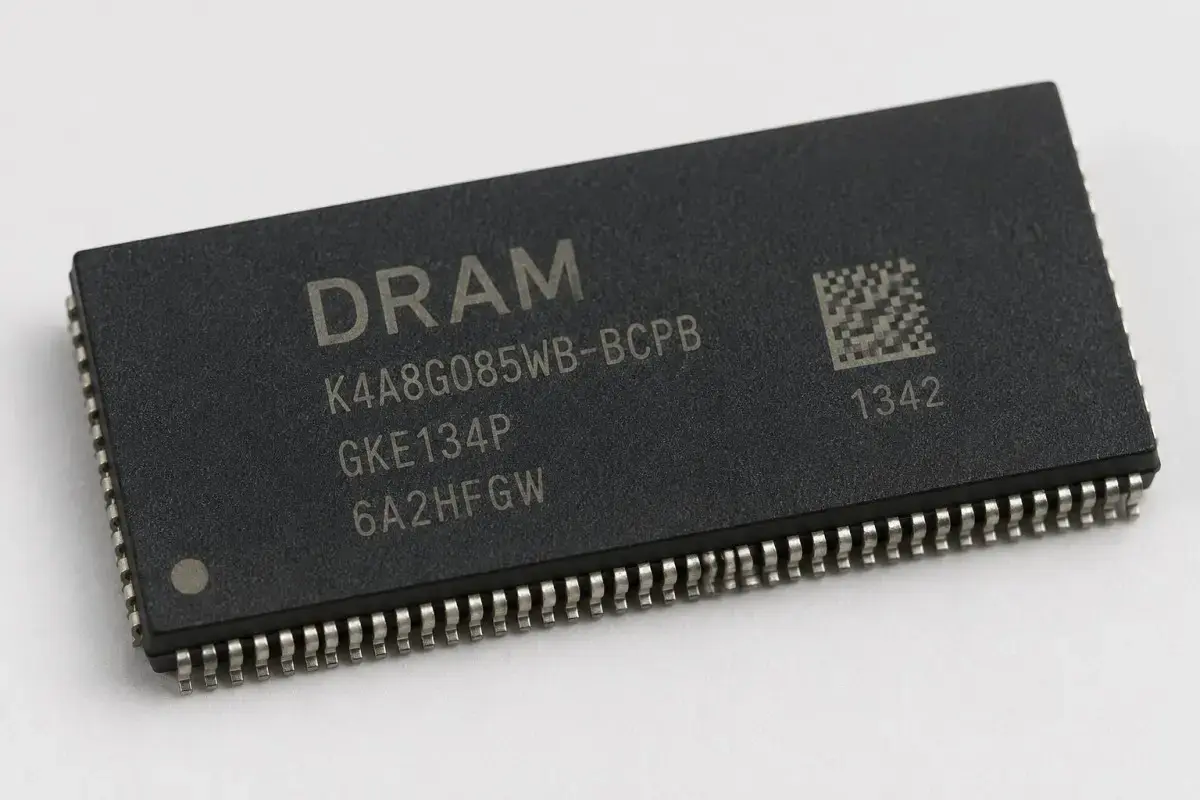
Artificial Intelligence Data Centers are Limiting Global Supply
The primary driver behind the current RAM supply crisis is the explosive growth of high-performance hardware requirements for artificial intelligence data centers. These facilities consume the vast majority of available advanced memory production, leaving consumer electronics manufacturers to compete for the remaining, significantly limited, supply. By exploring local production capabilities in China, Apple is attempting to bypass the bottlenecks created by these large-scale data center demands, ensuring that its own product manufacturing timelines remain stable in a volatile global economy.
The widespread semiconductor shortage forces technology firms to aggressively diversify their component sourcing strategies.
Future Strategic Steps Remain Uncertain
Whether this testing phase will evolve into a permanent, large-scale supply agreement remains unclear. The U.S. government maintains a strict stance on technology exports, and every move made by Apple is under constant observation by trade regulators and market analysts alike. The upcoming release cycles for Apple’s next-generation devices will provide clearer insights into the company’s manufacturing processes and its reliance on these new regional partners. This shift represents a critical juncture for the tech industry as it navigates the complex intersection of global supply chain management and geopolitical competition.
Do you believe that sourcing components from firms on trade restriction lists is a justifiable move for Apple to maintain its market position, or does this strategy risk damaging the company’s global reputation? Share your thoughts in the comments section below.
Your comment has been submitted,
it will be published after approval.