
Apple Brings iPhone Handoff to Cellular Networks in iOS 27


Apple has officially announced a significant evolution for its ecosystem connectivity with the introduction of iOS 27, which expands the popular iPhone Handoff feature beyond the limitations of Wi-Fi networks. By collaborating with major mobile operators, Apple is enabling Handoff to function directly over cellular data, allowing users to seamlessly transition FaceTime calls and active sessions between devices regardless of their physical proximity to a local area network. Currently undergoing initial testing with T-Mobile in the United States, this infrastructure update represents a fundamental shift in how Apple users manage communication across their hardware portfolio.
- The updated Handoff feature facilitates seamless call and session transfers between Apple devices over cellular networks instead of relying on Wi-Fi connectivity.
- Initial support for this technology is limited to T-Mobile in the United States and Deutsche Telekom in Germany.
- The implementation of this feature does not bypass local IMEI registration requirements or telecommunications regulations in countries like Turkey.
Wi-Fi Connectivity Requirements are Being Removed
For years, the Handoff feature has served as a cornerstone of the Apple ecosystem, providing users with the ability to move ongoing tasks and calls between an iPhone, iPad, Mac, or Apple Watch. Until now, this functionality was strictly tethered to the requirement that all participating devices remain connected to the same Wi-Fi network. 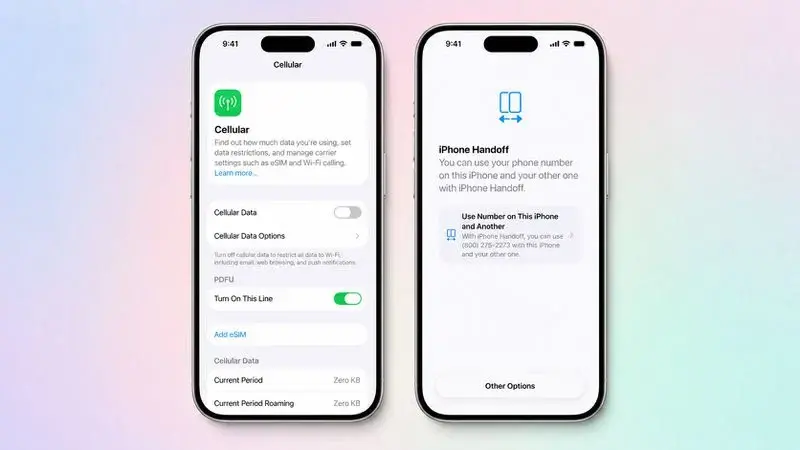
The integration within iOS 27 removes this barrier, enabling a truly mobile experience. Users moving between different locations or traveling will no longer face dropped calls when stepping out of Wi-Fi range. By leveraging advanced network-level routing protocols, the system ensures that audio quality remains consistent and latency stays at an absolute minimum during these transitions.
Global Availability is Currently Restricted
The technical deployment of this feature requires specific support from mobile carriers, as it necessitates specialized eSIM management and backend network integration. Due to these complexities, Apple has confirmed that the rollout will be limited to two specific global partners at launch: T-Mobile in the United States and Deutsche Telekom in Germany. 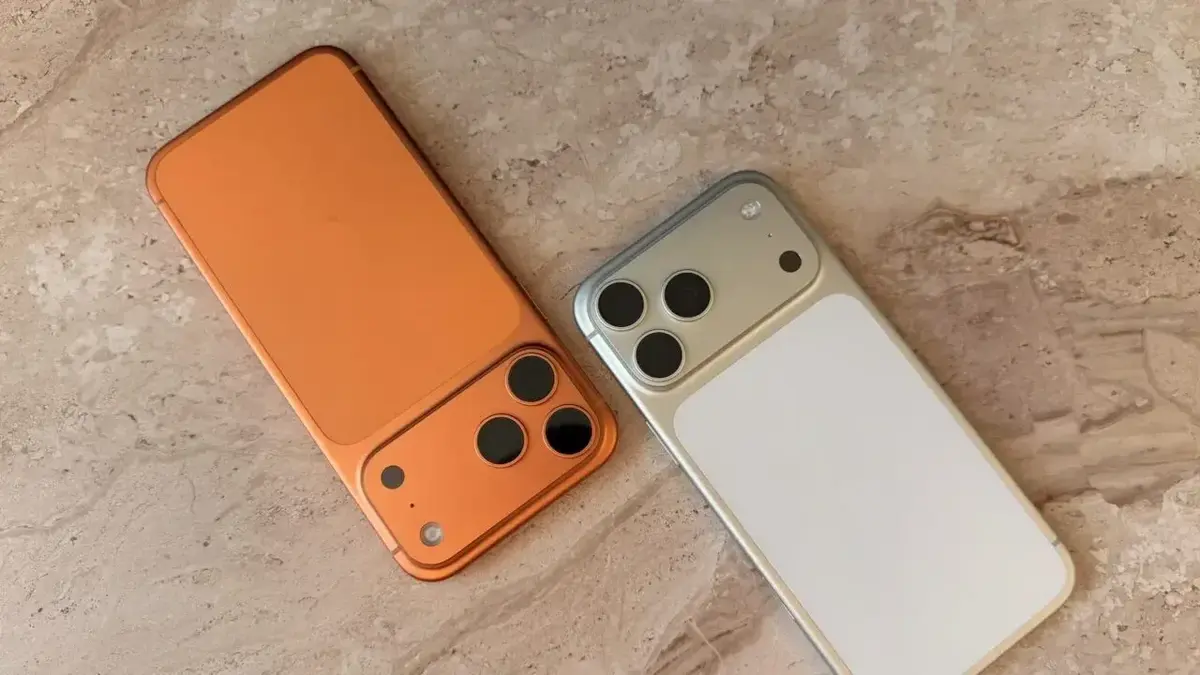
Industry experts note that this limited release is primarily due to the stringent requirements placed on cellular infrastructure. Furthermore, it remains possible that individual carriers may introduce additional service fees or subscription requirements to facilitate this enhanced cross-device connectivity.
Turkey Continues to Require Device Registration
Given the current infrastructure requirements and the limited scope of the initial launch, this feature will not be available in Turkey at this time. For the service to function locally, Turkish GSM operators such as Turkcell, Vodafone, and Türk Telekom would need to complete a complex technical integration with Apple’s secondary eSIM protocols. 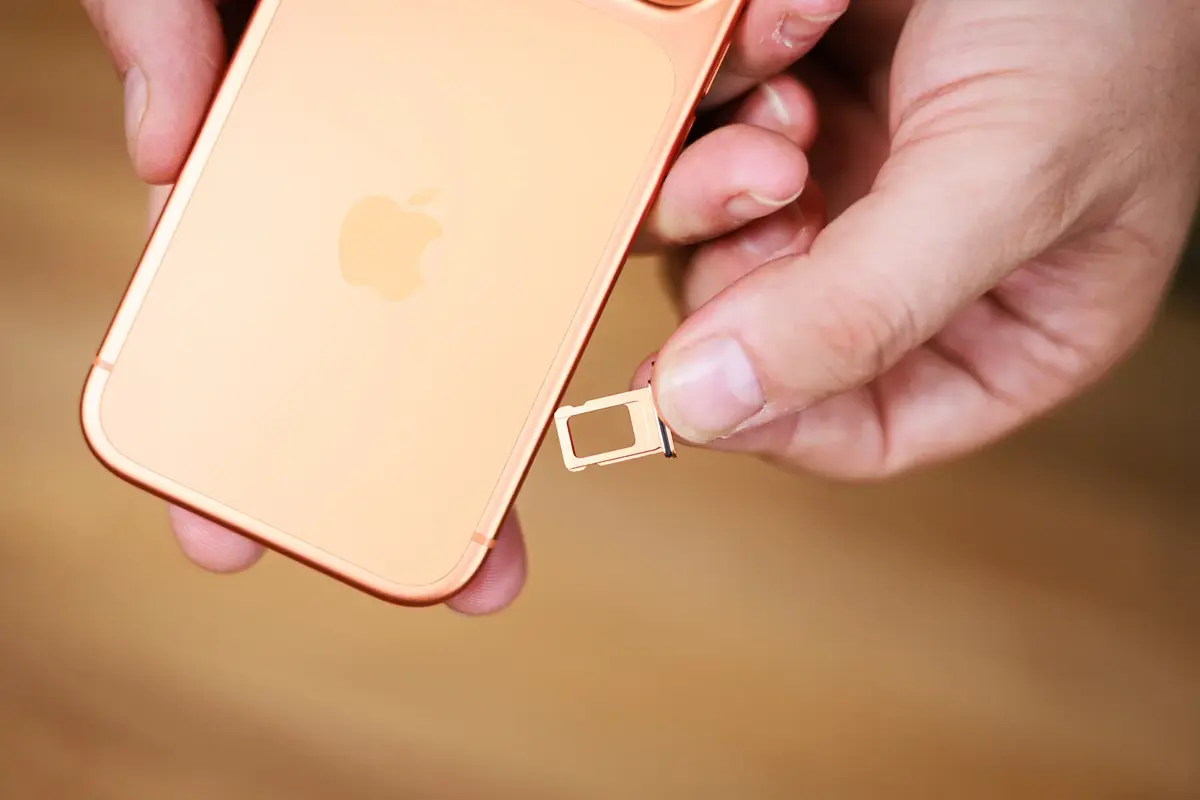
Many users have inquired whether this technology might allow for the use of unregistered devices imported from abroad. However, the answer remains clear: IMEI registration obligations continue to apply. Because the secondary device must connect to a cellular network to receive these calls, it remains subject to the 120-day usage limit enforced by the Information and Communication Technologies Authority (BTK). Even with cellular Handoff, any iPhone connecting to a local network must have its IMEI registered in the national system.
High Security Standards are Being Maintained
Apple has emphasized that security remains a top priority during these cellular transfers. All data streams between devices are protected by end-to-end encryption, ensuring that personal communications remain private. Furthermore, the system is designed so that user data is not processed or stored by carrier servers during the handoff process, maintaining the integrity of the Apple ecosystem’s privacy-first approach.
We are eager to hear your thoughts on this major update to the Apple ecosystem. Do you think the convenience of cellular Handoff justifies the potential for additional carrier fees, or would you prefer to stick to traditional Wi-Fi connectivity? Share your opinions and predictions for the future of mobile integration in the comments section below.
Your comment has been submitted,
it will be published after approval.