
Apple Captures Nearly Half of Global Smartphone Revenue

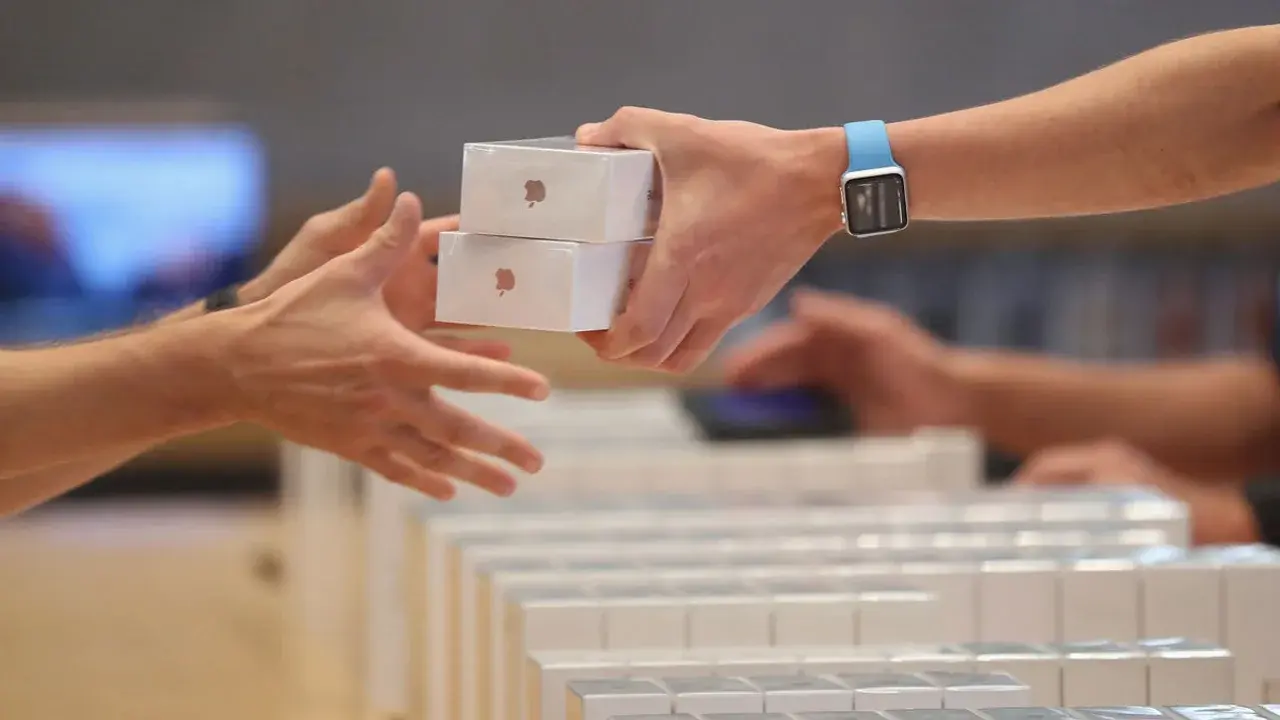
According to the latest data released by Counterpoint Research, Apple has cemented its dominance in the global smartphone market during the second quarter of 2026. The tech giant successfully secured 49 percent of total global smartphone revenue, setting a new quarterly record for the company. While the broader industry faced challenges regarding shipment volumes, Apple managed to significantly bolster its financial performance, outperforming competitors by a wide margin. This surge in revenue, reaching a total of $109 billion across the global sector, highlights Apple’s unique ability to command premium pricing while simultaneously growing its market presence despite broader economic headwinds.
- Apple secured 49 percent of all global smartphone revenue during the second quarter of 2026.
- The average selling price for an iPhone increased to $946 due to high demand for the new series.
- Samsung maintained its position as the market leader in terms of total shipment volume.
- Strategic pricing allowed Apple to gain a significant advantage over Android competitors.
iPhone 17 Series Drives Revenue Growth
The record-breaking financial results are primarily attributed to the overwhelming consumer demand for the iPhone 17 series. Apple’s smartphone revenue climbed by 22 percent compared to the same period last year, a testament to the brand’s enduring appeal in key markets including China and Europe.  As the company’s shipment share rose from 17 percent to 21 percent, the average selling price of an iPhone grew from $879 to $946, reflecting a successful premium-tier strategy.
Apple’s strategic pricing decisions have effectively neutralized the impact of rising memory costs that plagued many Android manufacturers.
Market Competitors Face Significant Challenges
While Apple thrived, other major industry players experienced mixed results. Samsung retained its lead in shipment volumes with a 23 percent share, though its revenue growth remained more modest at 9 percent. The average selling price for Samsung devices remained steady at $270, highlighting a divergence in target market positioning between the two giants.
The landscape for other manufacturers proved more difficult. Xiaomi faced a notable downturn, with shipment volumes declining by 26 percent and total revenue falling by 17 percent. Similarly, both OPPO and vivo reported double-digit revenue losses during the same period, struggling to maintain their financial footing as the market consolidated around high-end devices.
The widening gap in profitability confirms that consumers are increasingly prioritizing premium hardware over budget-friendly alternatives.
Future Market Trends Remain Uncertain
The shift toward higher average selling prices across the industry suggests that the smartphone market is transitioning toward a more value-oriented consumer base. With average global selling prices rising to $400, manufacturers that fail to differentiate their products through innovation or brand equity risk losing further ground to market leaders. Apple’s ability to maintain stable pricing while competitors were forced to adjust due to supply chain pressures has provided a structural advantage that will be difficult for rivals to overcome in the short term.
Given Apple’s massive share of global smartphone revenue, we are interested in your perspective on whether this trend of premiumization will continue; please share your thoughts in the comments section below.
Your comment has been submitted,
it will be published after approval.