
Apple Challenges UK Government Over iCloud Data Access Demands

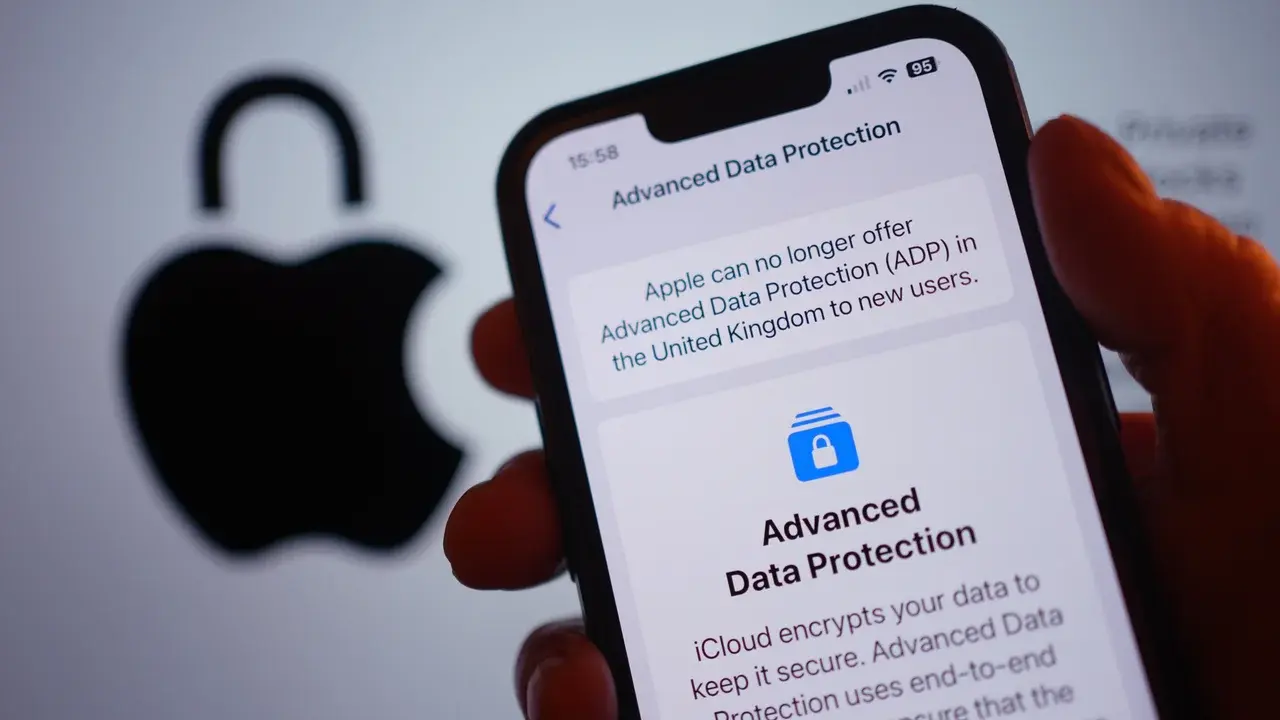
Apple has officially initiated a new legal challenge against the United Kingdom government, escalating a long-standing dispute regarding access to encrypted iCloud data. The technology giant filed a formal complaint with the UK’s Investigatory Powers Tribunal (IPT), contesting government demands that would force the company to compromise its encryption standards. This development follows a specific Technical Capability Notice (TCN) issued by the British Home Office, which requires Apple to provide security services with access to sensitive user information. The case highlights the ongoing tension between national security requirements and the fundamental right to digital privacy for millions of users worldwide.
- Apple filed a formal complaint with the Investigatory Powers Tribunal to block government access to encrypted user data.
- The UK Home Office issued a Technical Capability Notice under the Investigatory Powers Act to facilitate surveillance.
- Privacy organizations including Privacy International are currently challenging similar government mandates in court.
Legal Frameworks Influence Security Mandates
The conflict centers on the Investigatory Powers Act, which grants the British government the authority to issue technical notices to private companies. These directives are intended to assist law enforcement agencies in investigating serious crimes, such as child exploitation and terrorism. However, the specific requirements often involve the creation of backdoors or mechanisms that could potentially undermine the end-to-end encryption Apple employs to protect its customers.
Apple maintains that any forced access to encrypted data inherently weakens the overall security architecture for all global users.
Previously, the UK government attempted to secure similar access for both American and British users. That request was eventually withdrawn following significant diplomatic friction with Washington. The current TCN is more narrowly focused, targeting only users residing within the United Kingdom. Despite this geographical limitation, Apple views the mandate as a dangerous precedent that threatens the integrity of its privacy-focused business model.

Privacy Advocates Join the Legal Dispute
The Investigatory Powers Tribunal has formally notified the privacy advocacy group Privacy International about Apple’s recent filing. This development is significant, as Privacy International, alongside Liberty, is already involved in separate litigation against similar government surveillance tactics. A hearing regarding these broader challenges is currently scheduled for December, which may provide further clarity on the legal boundaries of the UK’s investigatory powers.
The judiciary will soon determine if national security interests outweigh the technical necessity of maintaining unbreakable encryption.
Future Implications for Digital Encryption
The standoff between Apple and the Home Office reflects a recurring global debate regarding the balance between law enforcement needs and individual privacy. As governments continue to press for greater visibility into encrypted communications, technology firms find themselves under increasing pressure to choose between compliance and their core security promises. The outcome of the IPT proceedings will likely set a critical benchmark for how international law handles the intersection of state surveillance and private digital security.
Given the intensifying struggle between government oversight and personal data encryption, we invite you to share your perspective on whether national security interests justify compromising private device security in the comments section below.
Your comment has been submitted,
it will be published after approval.