
Apple Delays iPhone Ultra Launch to 2027 With $2,000 Price

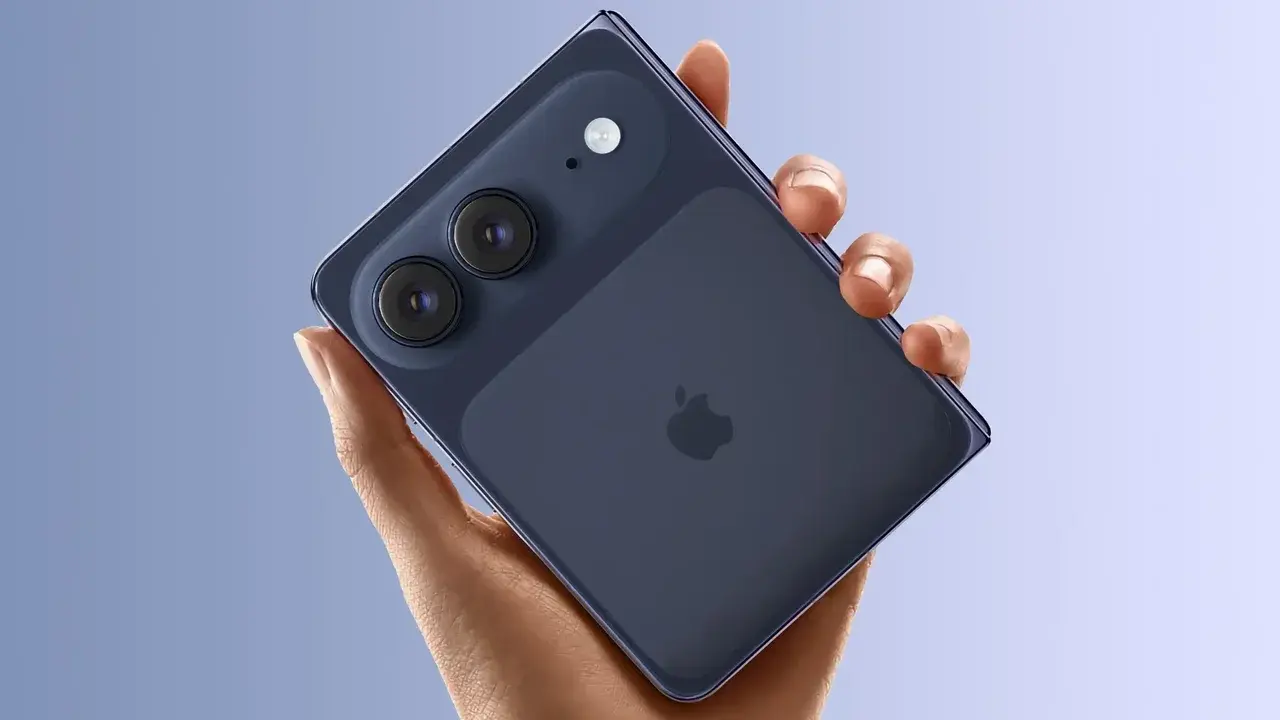
Apple has officially pushed back the release of its inaugural foldable smartphone, the iPhone Ultra, from its initial target of late 2026 to the first quarter of 2027. This strategic delay is attributed to complex engineering hurdles, specifically involving the device’s intricate hinge mechanism and advanced printed circuit board (PCB) integration processes. Market analysts report that Apple is navigating significant supply chain constraints, including limited access to 2nm chip production capacity and global memory shortages. Consequently, the iPhone Ultra is expected to enter the market with a premium starting price point between $2,000 and $2,200, signaling a firm entry into the ultra-luxury mobile sector.
- The iPhone Ultra launch date is postponed to early 2027 due to technical manufacturing complexities.
- The device will feature a high-end price tag ranging from $2,000 to $2,200.
- Technical specifications include the A20 Pro chipset, 12GB of RAM, and a Touch ID biometric sensor.
- Apple is utilizing advanced hinge technology to reduce visible screen creasing on the foldable display.
Engineering Challenges Delay the Expected Launch Timeline
Development progress has been hampered by bottlenecks in the supply chain, particularly regarding specialized components from key partners like Largan Precision. While the traditional release schedule for the iPhone 18 Pro series remains unchanged for September, the foldable model requires more time to perfect its Surface-Mount Technology (SMT) and PCB assembly. Engineers are currently working to overcome significant hurdles related to component placement, which are essential for maintaining the structural integrity of a foldable form factor.
Technical manufacturing difficulties forced Apple to reschedule its premium foldable device strategy for early 2027.
Hardware Specifications Reflect High-End Design Choices
The upcoming iPhone Ultra will be built around high-resolution M14 OLED panels supplied by Samsung. To ensure both thinness and visual clarity, the device will incorporate Color Filter on Encapsulation (CoE) technology. Furthermore, the integration of a liquid metal hinge structure is intended to improve durability while minimizing the physical crease typically associated with foldable screens. Unlike recent iterations of Apple hardware, this model is expected to pivot back to Touch ID for biometric security, moving away from Face ID for this specific design.
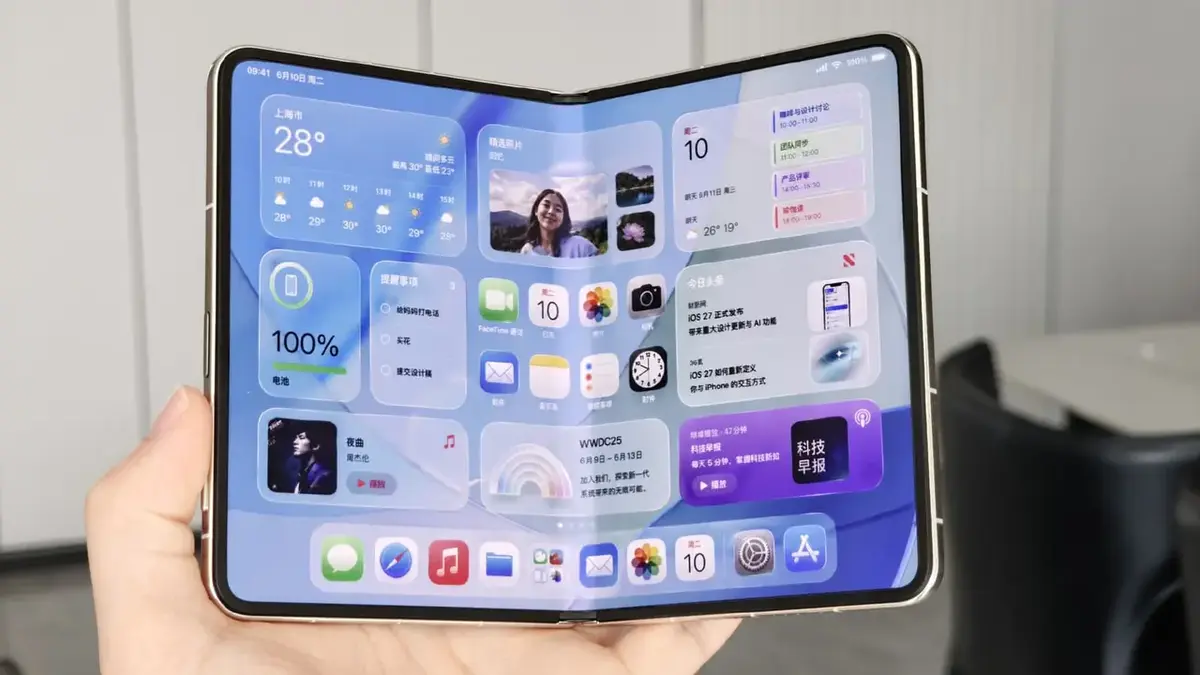
Under the hood, the device will be powered by Apple’s proprietary A20 Pro chip and the custom C2 modem, ensuring class-leading performance. The addition of 12GB of RAM suggests a significant focus on multitasking capabilities, catering to professional users. This hardware configuration aims to provide a stable foundation for the unique demands of a foldable interface.
A $2,000 entry price confirms Apple’s positioning of the iPhone Ultra as an exclusive luxury device.
Market Strategy Focuses on Limited Availability
Given the global scarcity of advanced memory components and the restricted capacity of TSMC’s 2nm production lines, a controlled and limited rollout appears to be the most prudent approach for Apple. By staggering the release, the company aims to maintain supply chain stability while ensuring that the first wave of devices meets their rigorous quality standards. The high pricing strategy suggests that Apple is not initially targeting the mass market, but rather focusing on early adopters and power users who demand the latest in foldable innovation.
Do you believe a $2,000 entry price for a foldable iPhone is justified by the provided hardware upgrades, or will it limit the device’s reach in the competitive smartphone market? Share your thoughts in the comments below.
Your comment has been submitted,
it will be published after approval.