
Apple Develops HomeView Max With Advanced Robotic Movement

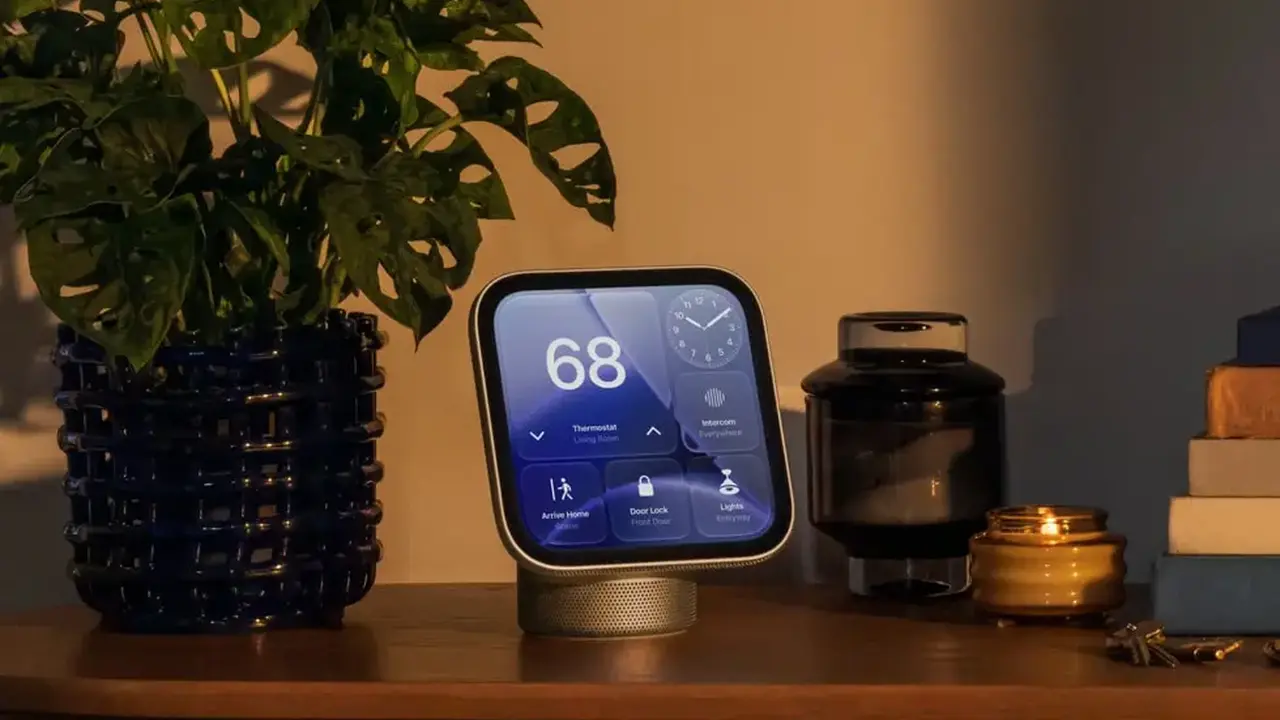
Apple is significantly expanding its footprint in the smart home market by developing a sophisticated, motion-enabled version of its recently introduced HomeView device. Following the announcement of a 7-inch fixed-screen smart home controller, the technology giant is now working on a more advanced iteration known as the HomeView Max. According to industry reports, this premium device will integrate robotics to offer a dynamic user experience, marking a major shift in Apple’s domestic technology strategy. The company aims to redefine personal home assistance by blending advanced screen technology with automated mechanical movement to better serve users in their daily routines.
- Apple is designing a high-end smart home device featuring a motorized robotic arm for 360-degree screen rotation.
- The HomeView Max will utilize automated tracking technology to follow users during video calls and general home interactions.
- Market analysts expect the company to release this advanced robotic home assistant between 2027 and 2028.
Robotic Arm Technology Enables Full Rotation
The standout feature of the upcoming HomeView Max, which may also be branded as HomeView Ultra or HomeView 360, is its innovative mechanical design. Unlike standard smart displays that remain stationary on a table or wall, this device will incorporate a motorized robotic arm. This hardware allows the 9-inch display to rotate fully 360 degrees, providing a seamless visual experience regardless of the user’s position in the room.
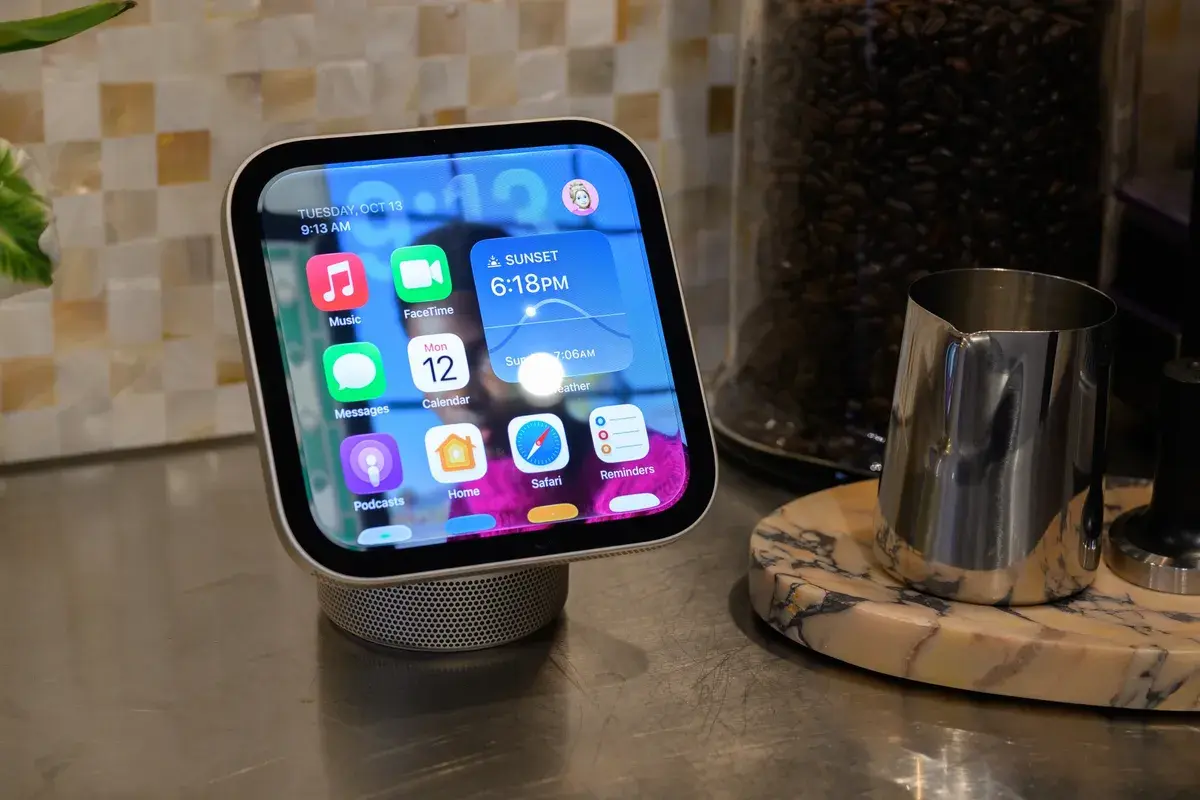
This movement is not merely aesthetic; it serves a functional purpose for communication and home management. During FaceTime calls, the device will automatically detect and follow the user as they move throughout the space. This ensures that the camera and screen remain perfectly aligned with the individual, creating a more intuitive and immersive interaction. This focus on motion tracking represents a significant technological leap compared to the static 7-inch display found in the base HomeView model.
Strategic Shifts Are Shaping the Smart Home Vision
Apple’s move into robotic smart home hardware signals a broader strategic pivot toward long-term growth in the home automation sector. While the initial HomeView model focuses on the essentials—such as managing temperature, humidity, and Siri-based voice commands—the robotic version indicates an ambition to offer a more autonomous and proactive assistant. By combining artificial intelligence with physical robotics, the company is attempting to establish a new category of home products that act more like a personal companion than a simple control panel.
The roadmap for this technology suggests that Apple is taking a cautious approach to development. Industry experts note that the engineering challenges associated with a stable, high-end robotic arm for consumer use are substantial. Consequently, the company is not expected to rush this product to market. Current projections from industry insiders indicate a release window between 2027 and 2028, highlighting that Apple views this as a foundational project for its long-term vision of the intelligent home.
How do you feel about having a robotic, screen-equipped device following you around your home? Would you prioritize this kind of automated convenience, or do you prefer the simplicity of a stationary smart home display? Share your thoughts in the comments below.
Your comment has been submitted,
it will be published after approval.