
Apple Ends iPhone Upgrade Program for New Rental Model

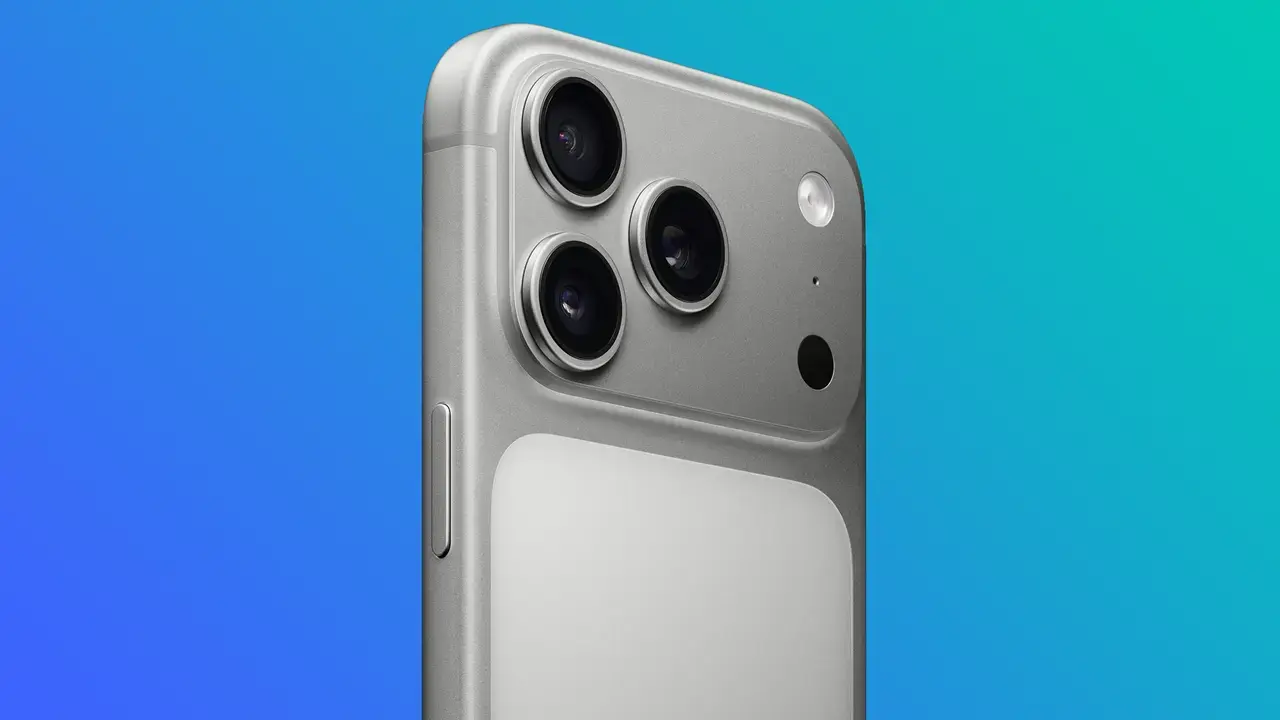
In a major strategic pivot for the tech giant, Apple has officially discontinued its long-running iPhone Upgrade Program in the United States. Replacing this legacy service is the new Apple Upgrade system, a comprehensive rental model that now encompasses a wider array of hardware, including iPads, Mac computers, and Apple Watch models. By centralizing these offerings under a single structure, Apple aims to refine how customers acquire its ecosystem of devices. Current participants in the defunct program will receive guidance during their next upgrade cycle to transition toward Apple Card installments or direct purchase options.
- Apple has officially terminated the legacy iPhone Upgrade Program and iPhone Payments system within the United States market.
- The newly introduced Apple Upgrade system shifts the consumer experience from a purchase-based model to a formal rental arrangement.
- AppleCare coverage is now offered as an optional add-on rather than being included as a standard feature in monthly payments.
- Ownership of the hardware remains with the partner financial institution, Klarna, throughout the duration of the rental term.
The Shift Alters Ownership Dynamics Significantly
The original program, launched in 2015 alongside the iPhone 6s, functioned as a credit-based installment system supported by Citizens One. This structure allowed users to upgrade their handsets after 12 months or achieve full ownership after completing 24 payments. The new Apple Upgrade system moves away from this credit-based path, instead adopting a strictly rental-oriented framework.
Under the new model, the hardware remains the property of Klarna until the end of the term.
This transition fundamentally changes the relationship between the consumer and the device. Users are now being directed toward diverse procurement methods, such as Apple Card monthly installments, direct retail purchases, or traditional carrier financing. 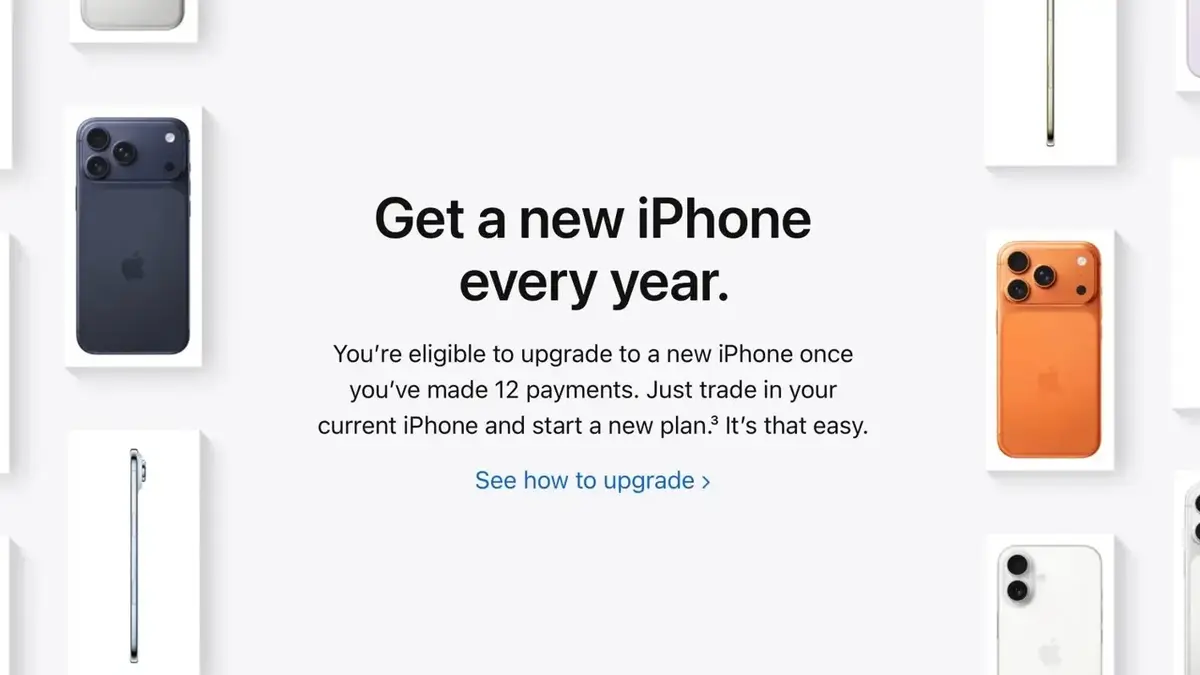
Support Teams Assist Users During the Transition
Apple has initiated an extensive support process to minimize confusion among existing customers as they approach their next upgrade window. A critical change involves the status of AppleCare. Previously, this protection plan was bundled into the monthly cost of the upgrade program. In the new rental system, AppleCare is treated as an optional service, meaning users must choose to add it separately. This adjustment has immediate implications for both the total monthly expenditure and the level of device insurance coverage individual users maintain.
Hardware Acquisition Models Are Being Redefined
By expanding this rental service to include iPads, Macs, and Apple Watches, Apple is exerting greater control over the lifecycle of its products. This move signals a broader transition toward a usage-based economic model where access to the latest technology is prioritized over permanent asset ownership. At the conclusion of the rental period, customers are presented with three distinct choices: upgrading to the latest model, purchasing the current device at its residual value, or returning the unit to exit the program entirely.
This strategic move accelerates the company’s shift toward a service-oriented hardware economy.
How do you feel about Apple moving away from the traditional ownership model in favor of this new rental system? We would love to hear your thoughts on whether this added flexibility outweighs the loss of direct device ownership; please share your perspective in the comments section below.
Your comment has been submitted,
it will be published after approval.