
Apple Executive Craig Federighi Clarifies That Siri Is Not an AI Companion


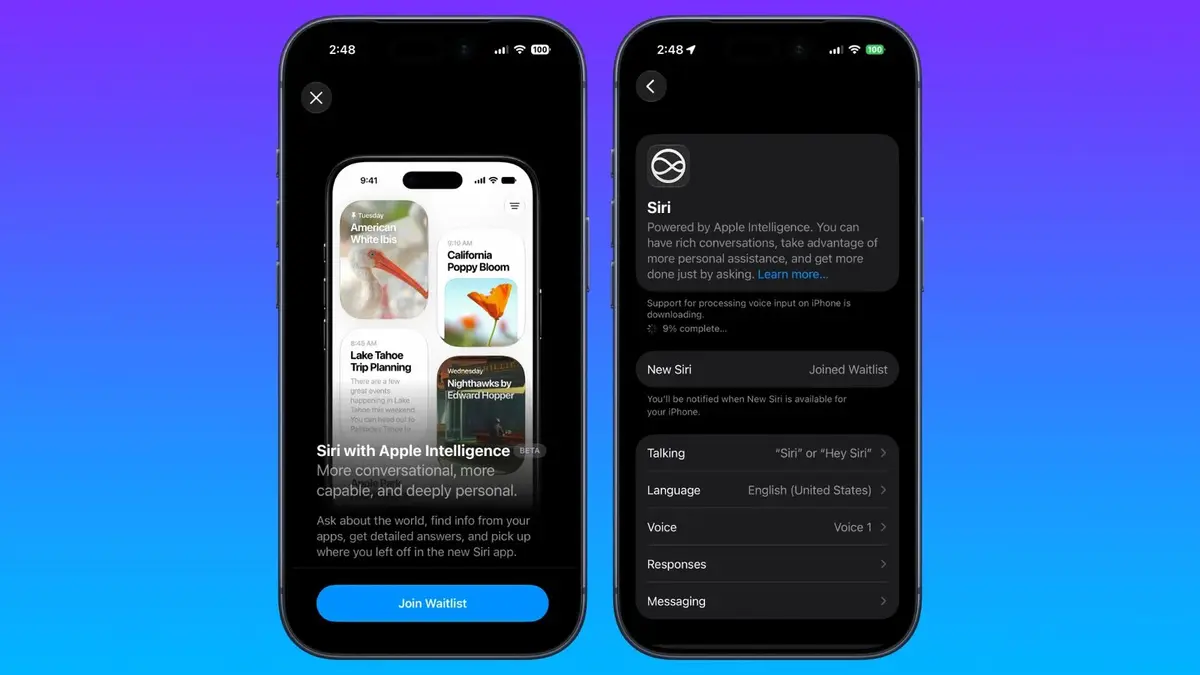
Following the recent WWDC event, Apple software engineering chief Craig Federighi and marketing executive Greg Joswiak sat down with Mostly Human to discuss the company’s long-term artificial intelligence strategy. During the interview, the executives provided significant clarification regarding the role of Siri in the upcoming iOS 27 update. Federighi explicitly stated that Apple does not intend for Siri to function as an AI companion, drawing a clear line between Apple’s utility-focused tools and the trend of human-like chatbots currently dominating the tech landscape.
- Apple officially positions Siri as a utility tool rather than a conversational AI companion.
- Executive leadership rejects the design of AI systems intended to form personal or romantic bonds with users.
- The company prioritizes on-device data processing to ensure maximum user privacy.
- Apple aims to enhance existing device functionalities without requiring users to master complex technical commands.
Apple maintains that its artificial intelligence systems are designed to accomplish tasks, not to simulate human companionship.
Siri Functions Primarily as a Utility Tool
In the current technological climate, many companies are developing chatbots designed to foster emotional connections with users. Federighi distinguished Apple’s approach from these competitors, noting that the company avoids features that encourage users to disclose personal information to build rapport. Instead, the core directive for Siri remains assisting users with daily tasks and providing information about the world. This functional focus ensures that the software remains a professional assistant rather than a digital friend.
Greg Joswiak echoed these sentiments, emphasizing that Apple does not implement artificial intelligence simply to follow market trends. The primary goal is to refine existing iPhone features, making them more intuitive and efficient. Joswiak argued that users should not be required to become expert prompt engineers just to interact with their devices. By keeping the technology in the background, Apple intends to meet users where they are, providing seamless support without the need for constant, complex human-AI interaction.
The company refuses to design systems that cater to requests for romantic or personal engagement from artificial intelligence.
Privacy Remains the Core of Apple’s Strategy
A central pillar of the discussion was the commitment to user privacy, which Federighi identifies as the foundation of Apple’s AI strategy. He reaffirmed that data residing on a user’s iPhone remains under their personal control, with no access granted to Apple. By prioritizing on-device processing, the company creates a distinct boundary between itself and other industry players who rely on cloud-based data harvesting. This rigorous adherence to privacy principles underscores the company’s broader philosophy regarding the responsible development of new technologies.
The conversation also touched upon a wide range of forward-looking topics, including child safety measures, the impact of automation on the global workforce, and the milestone celebration of Apple’s 50th anniversary. As the company navigates this new era of machine learning, it continues to emphasize that technology should serve the user’s needs without compromising their fundamental rights or digital security.
As Apple shifts its focus toward more integrated and private artificial intelligence, we are curious to hear your perspective on this direction. Do you believe a utilitarian approach is better than the emotional AI models being developed by other companies? Share your thoughts in the comments section below.
Your comment has been submitted,
it will be published after approval.