
Apple Files Patent for Revolutionary Stretchable Display Technology

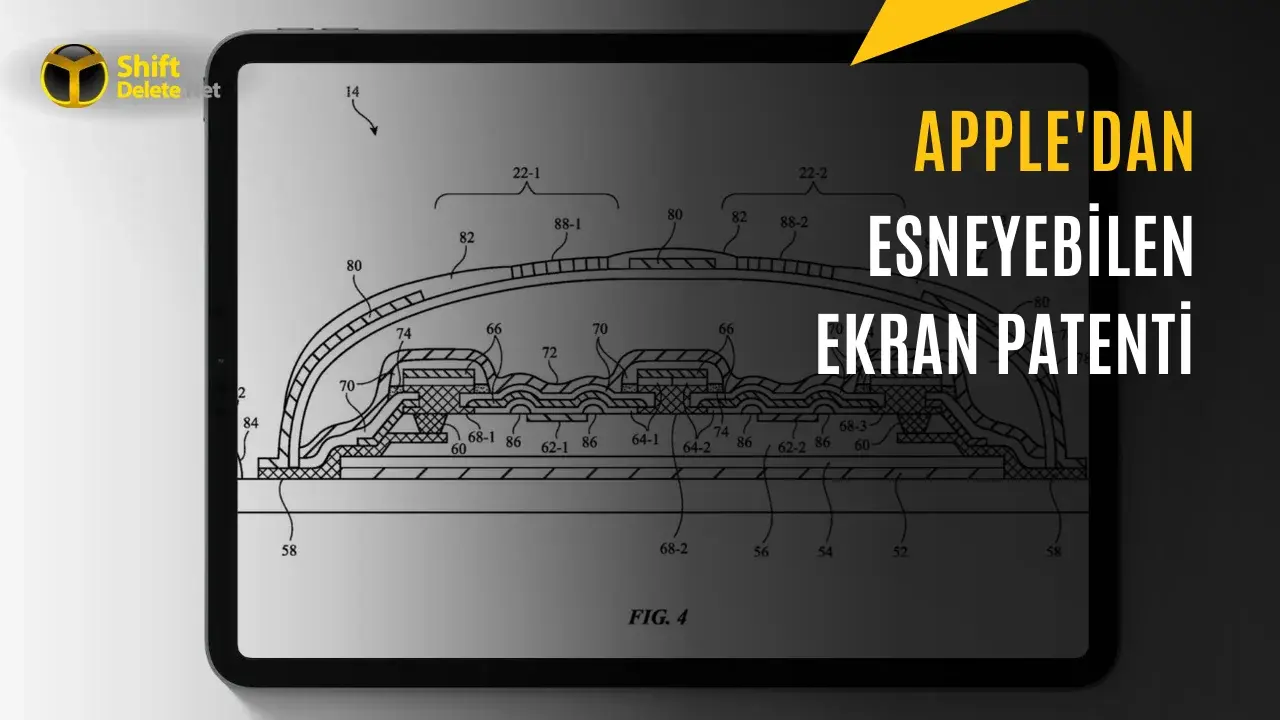
Apple has officially shifted its focus beyond standard foldable device concepts, recently securing a patent for innovative stretchable display technology. This breakthrough development, which allows screen surfaces to physically expand rather than simply folding, marks a significant departure from current industry trends. While anticipation remains high regarding a potential foldable iPhone, internal resources suggest that a substantial team of over 50 engineers is prioritizing this stretchable hardware. The patent filing, which emerged from collaborative efforts between research teams in California and Taiwan, signals that Apple is aggressively pursuing a new frontier in hardware design that could redefine the future of mobile interfaces.
- Apple has secured a patent for stretchable screens involving over 50 specialized engineers.
- The technology utilizes a grid of hermetically sealed rigid pixel islands connected by flexible regions.
- The proposed design supports applications across various form factors including smartphones, wearables, and automotive displays.
Technical Architecture Defines How Displays Stretch
The core of this new technology lies in its sophisticated structural design. Instead of relying on materials that physically bend, the display consists of numerous rigid pixel islands that are hermetically sealed. These individual components are linked by a flexible, elastic substrate that facilitates uniform expansion across the entire surface. 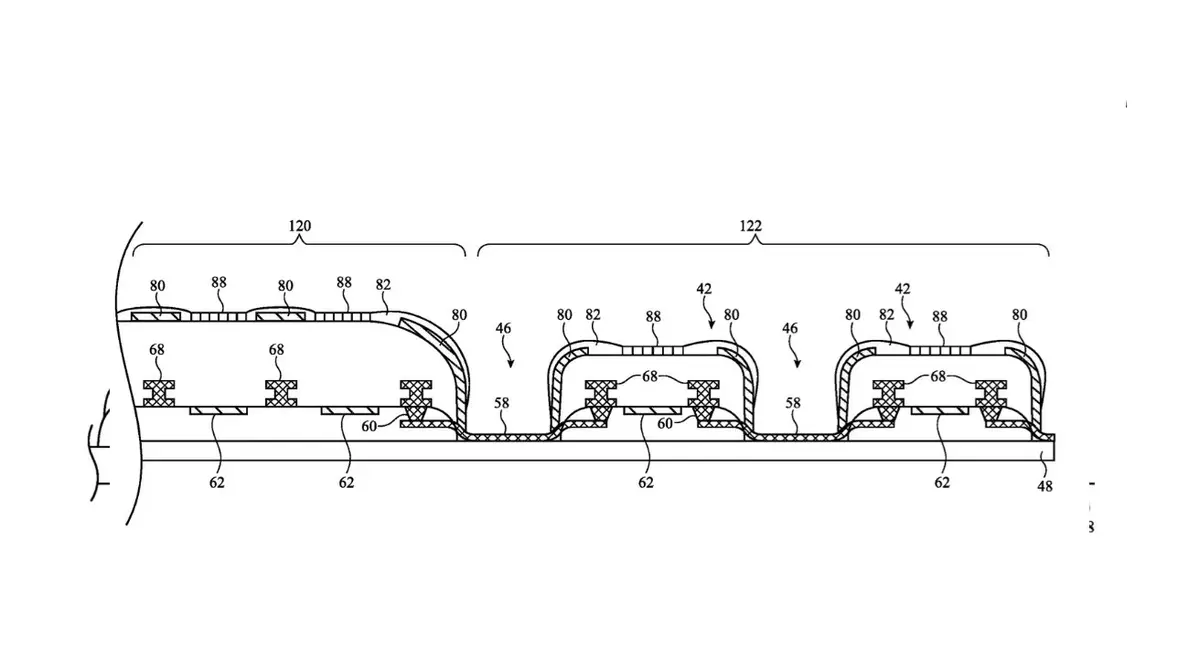 Because the actual pixel elements remain non-deformable, the screen maintains image integrity while the surface itself undergoes physical tension. This configuration incorporates organic light-emitting diode (OLED) layers and conductive electrodes within each island, ensuring that connectivity remains stable even when the device is stretched to accommodate new shapes or sizes.
Potential Applications Encompass Various Device Categories
The scope of this patent extends far beyond the traditional smartphone market. Apple has documented potential implementations for over a dozen distinct device types, ranging from laptops and mobile handsets to smartwatches and specialized head-mounted equipment. This versatility suggests that the technology could eventually support complex designs, such as a future iPhone Ultra that features a wrap-around stretchable display. Furthermore, the technology offers a viable solution for long-rumored product concepts, including an Apple Watch with a display that contours perfectly around the wrist or a reimagined home audio device with a seamless, flexible exterior interface.
Strategic Implications Indicate Long-Term Development
While the acquisition of a patent does not guarantee immediate commercialization, the scale of this project highlights Apple’s deep commitment to next-generation materials. The involvement of five times more engineers than a typical patent application suggests that this is a core research initiative rather than a defensive filing. By protecting this intellectual property, Apple is positioning itself to lead the market if and when stretchable display manufacturing reaches a viable level of mass production. As the industry continues to experiment with foldable form factors, this patent provides a glimpse into a future where device surfaces are no longer restricted by rigid boundaries. The company has yet to release an official roadmap regarding when or in which product lines this technology will debut, leaving the industry to speculate on the timeline for such a hardware evolution.
Given the shift away from simple folding mechanisms, do you believe that stretchable screens represent the true future of mobile design, or do you prefer the current foldable approach? Share your thoughts in the comments below.
Your comment has been submitted,
it will be published after approval.