
Apple Integrates ChatGPT and Claude into Siri AI System

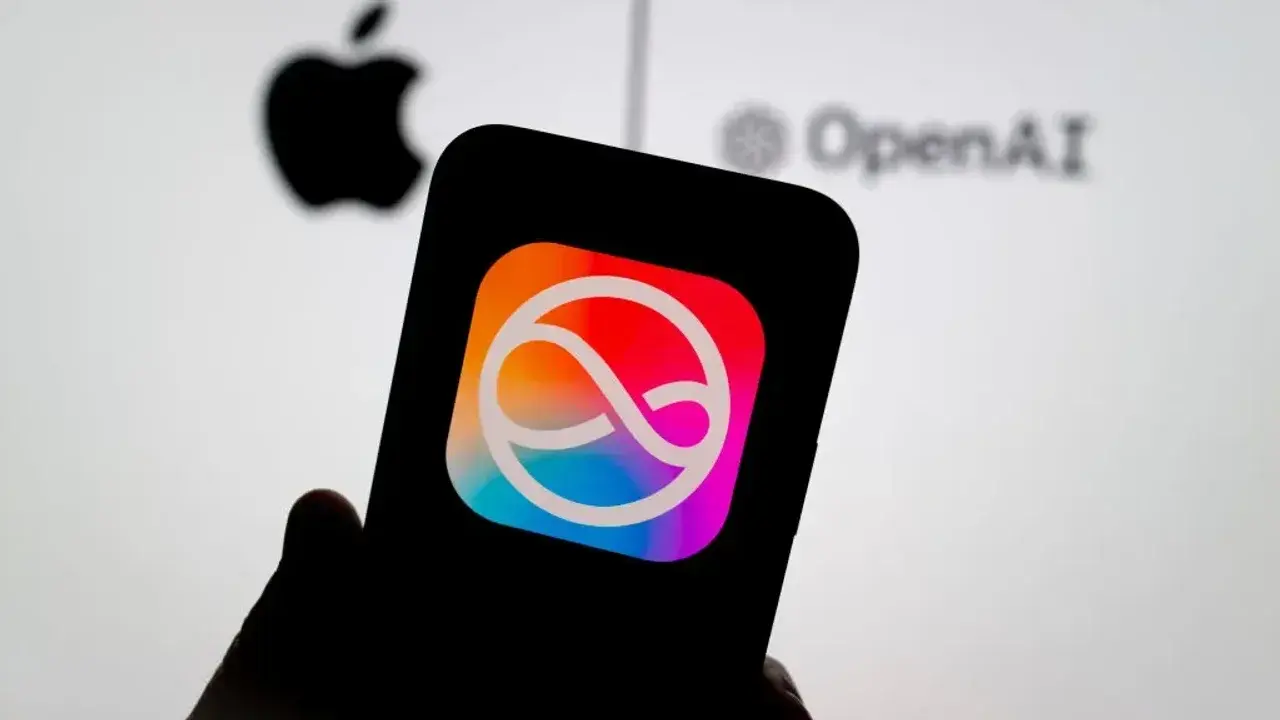
Apple is preparing a significant shift in its artificial intelligence strategy by enabling Siri to integrate with third-party models, according to recent leaks from iOS 27 and MacOS Golden Gate software code. This transformative update, which surfaced on the X platform, indicates that the tech giant is deep-integrating OpenAI’s ChatGPT and Anthropic’s Claude into its native voice assistant. By allowing Siri to act as a bridge to external, advanced large language models, Apple aims to move beyond traditional voice command limitations. This strategic pivot ensures that Siri users can leverage more sophisticated AI capabilities while maintaining access to the secure Apple ecosystem.
- Apple is integrating third-party AI models like ChatGPT and Claude directly into the Siri framework.
- A new model delegation feature allows Siri to offload specific user tasks to external artificial intelligence systems.
- The company is modifying its ecosystem architecture to comply with European Union Digital Markets Act regulations.
- Users may eventually have the option to replace the default Siri interface with alternative large language models.
Third-Party Models Are Enhancing Siri Functionality
The core of this update lies in a feature referred to as model delegation. This functionality empowers Siri to act as a sophisticated conductor that routes specific requests to the most capable AI for the job. For instance, if a user requests a complex reminder, Siri can delegate that specific task to Claude, ensuring a more accurate completion of the intent. 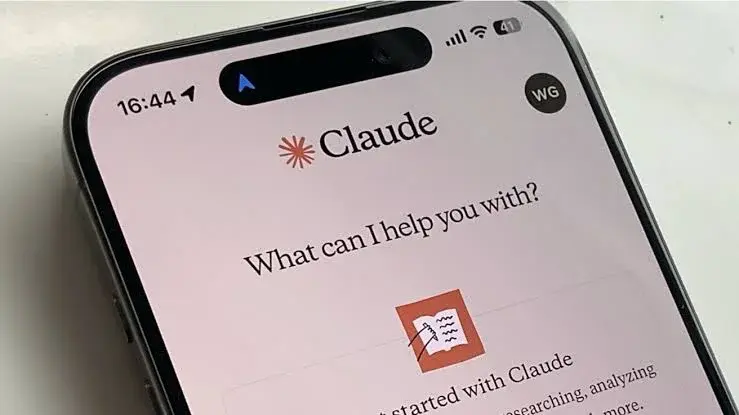 This architecture maintains Apple’s tight security protocols for system-level access while utilizing the broader knowledge bases of third-party developers for general queries.
Reports suggest that the integration goes significantly deeper than mere delegation. Evidence within the leaked code indicates that users might eventually be able to swap out the underlying engine of Siri for other models, such as future iterations of advanced GPT systems. By utilizing the existing voice command infrastructure and user interface, these models could perform system-wide operations, including searching through email archives or managing complex iMessage threads, provided they have the necessary context from the Apple environment.
European Union Regulations Are Influencing Apple’s Strategy
The decision to open the walled garden of iOS and macOS is largely driven by the European Union’s Digital Markets Act (DMA). This landmark legislation mandates that dominant tech platforms provide equal access to their hardware and software features for third-party developers. By forcing Apple to open its doors, the regulation aims to prevent monopolistic behavior and foster a more competitive market for AI assistants like Siri and Google’s Gemini.
For companies like OpenAI and Anthropic, this regulatory shift presents a massive opportunity to reach hundreds of millions of iPhone users. Gaining access to such a vast, engaged user base is considered a critical milestone for the future growth and scalability of their respective large language models. As the competition between these AI providers intensifies, the role of Siri as a neutral interface becomes increasingly vital for Apple to maintain its market relevance.
As Apple prepares to open its ecosystem to powerful external models, we would love to hear your perspective on the matter. Do you believe that replacing or augmenting Siri with specialized AI like ChatGPT or Claude will improve your daily iPhone experience, or do you prefer the native Apple approach? Please share your thoughts in the comments section below.
Your comment has been submitted,
it will be published after approval.