
Apple iPhone 18 Pro Will Utilize Powerful A20 Chip

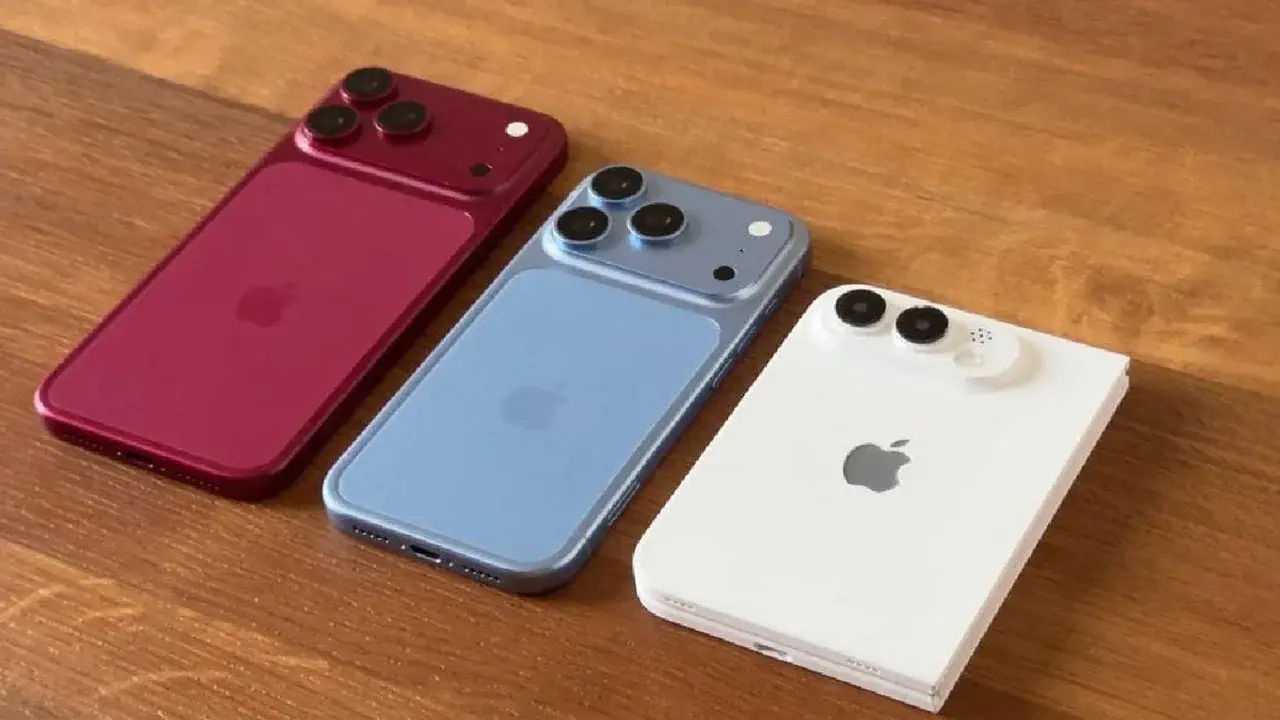
Apple is preparing to elevate its mobile hardware standards this autumn with the introduction of the A20 Pro chip, which is expected to power the upcoming iPhone 18 Pro and iPhone Ultra models. As the successor to current silicon, this new processor represents a significant leap in both computational performance and energy efficiency. By leveraging cutting-edge manufacturing processes and innovative packaging techniques, the A20 Pro aims to solidify Apple’s technological dominance in the competitive smartphone market. This development marks a pivotal moment for users anticipating the next generation of Apple’s flagship devices, setting a new benchmark for mobile processing power.
- The A20 Pro chip will transition to TSMC’s advanced 2-nanometer manufacturing process.
- Apple plans to integrate Wafer-Level Multi-Chip Module technology to enhance hardware packaging.
- The new architecture aims to significantly improve thermal management and AI processing speeds.
- Integration between the A20 Pro hardware and iOS 27 will optimize overall system efficiency.
Apple Adopts 2-Nanometer Technology for Superior Efficiency
The core of the performance increase in the iPhone 18 Pro lies in the shift to TSMC’s 2-nanometer production process. Moving from the existing 3-nanometer architecture allows for a higher density of transistors on the same chip surface. 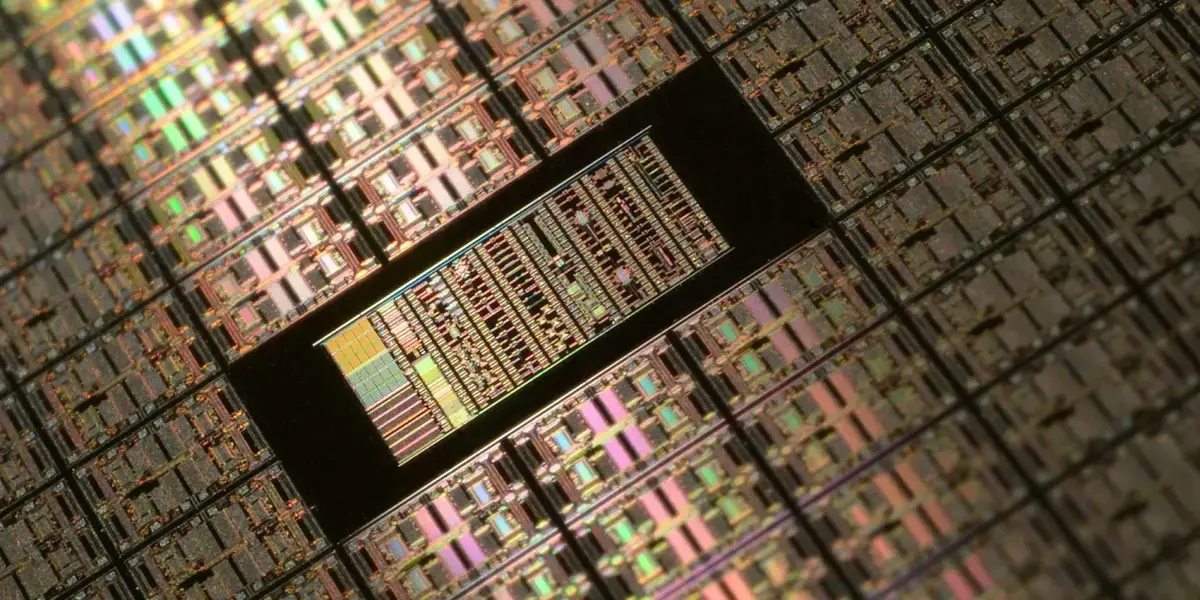 This evolutionary step provides engineers with more room to optimize power consumption and raw speed, ensuring that devices remain responsive under heavy loads. Apple’s long-standing partnership with TSMC ensures that these advanced production capabilities are prioritized for their flagship product lines, including future Mac and iPad iterations.
The transition to 2-nanometer technology defines a major milestone in mobile semiconductor evolution.
New Packaging Enhances Hardware Integration
Beyond the manufacturing process, the A20 Pro introduces a sophisticated packaging technique known as Wafer-Level Multi-Chip Module (WMCM). This method marks a departure from traditional assembly, as it integrates components like the System-on-Chip and DRAM directly at the wafer level.  By eliminating the need for traditional substrates or intermediate layers, the design achieves superior signal integrity and thermal efficiency. This proximity between the processor and memory units is critical for reducing latency during high-demand tasks such as mobile gaming and complex machine learning operations.
Hardware and Software Synergy Drives Innovation
The technical improvements found in the A20 Pro are designed to work in tandem with the upcoming iOS 27 operating system. As Apple continues to push the boundaries of artificial intelligence, the hardware architecture is specifically tailored to handle AI-heavy workloads more efficiently. The synergy between the new chip and updated software aims to deliver a smoother user experience, particularly as native AI features become more deeply embedded in the device’s core functions. This integration ensures that hardware potential is fully realized through optimized software processes.
Advanced hardware-software integration will likely redefine the standard for future smartphone capabilities.
As we look toward the potential performance gains of the upcoming A20 Pro chip, we are interested in hearing your perspective. Which specific feature or technical improvement are you most excited to see in the new iPhone 18 Pro models, and how do you believe it will change your daily usage?
Your comment has been submitted,
it will be published after approval.