

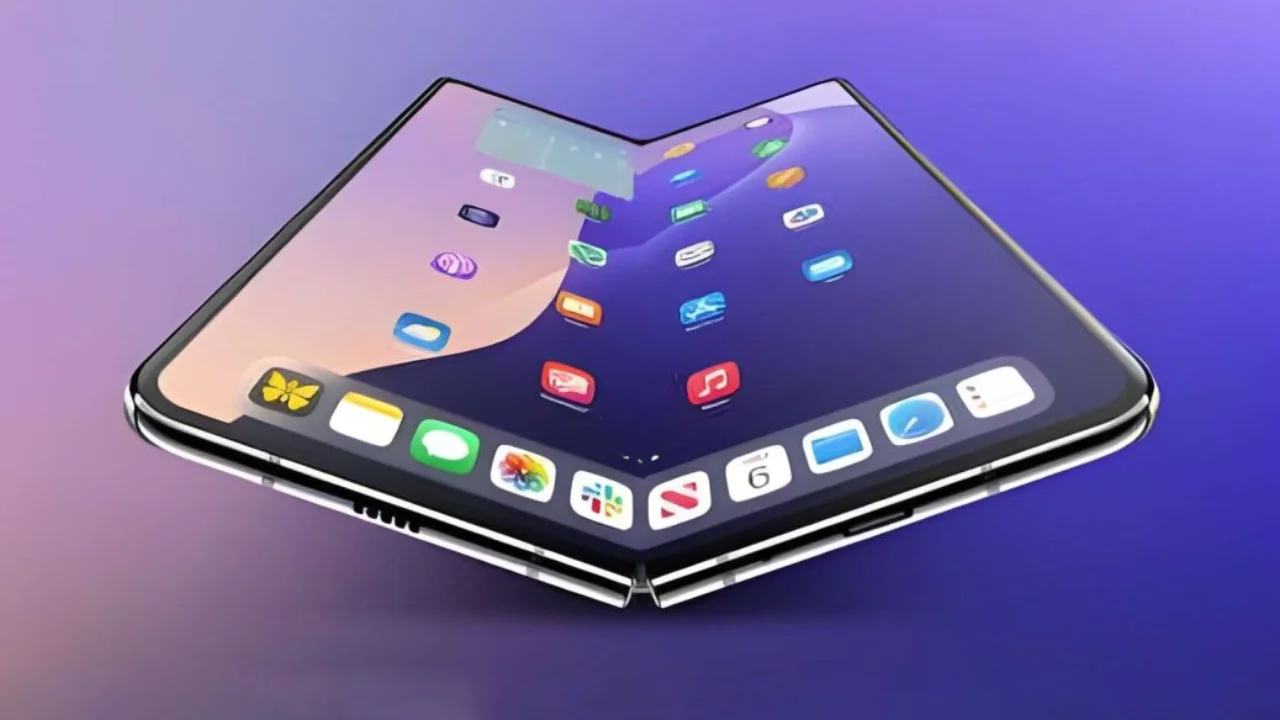
Apple’s long-awaited foldable iPhone project continues to generate excitement in the tech world. Recent information from the reliable leak source Digital Chat Station has revealed Apple’s biggest obsession in this area: an invisible crease.
A Completely Smooth Screen
Apple’s main goal in the foldable phone market is to eliminate the biggest weakness of its current Android competitors. Devices like the Samsung Galaxy Z Fold series leave a visible crease in the center of the screen even after years, noticeable under light. Apple, however, is focusing on UFG (Ultra-Thin Flexible Glass) technology to give the user a “one-piece and flawless” glass feel.
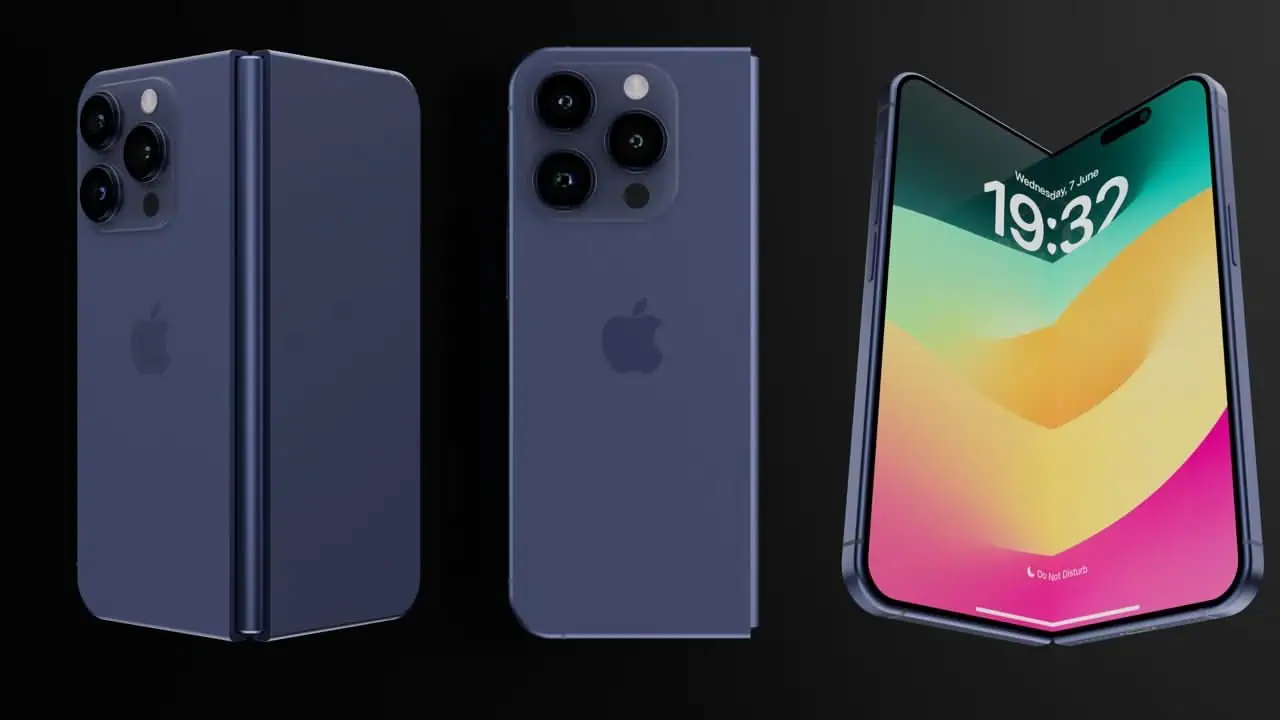
Apple is testing UFG layers of varying thicknesses. This technology makes the glass thinner at the folding point and more durable in other areas. This increases the screen’s resistance to repeated folding and virtually eliminates that annoying “crease” visually.
Leaks suggest Apple will push the boundaries in design as well:
- Body: The device is said to be only 4.5 – 4.8 mm thick when unfolded. This means it will be one of the thinnest devices Apple has ever produced.
- Screen Size: A massive 7.6 – 7.8-inch panel is expected on the inside, and a 5.3 – 5.5-inch screen on the outside suitable for one-handed use.
- Security: It is also rumored that Apple may use Touch ID integrated into the power button instead of Face ID to keep the device thin.
The leak source also notes that Apple is not alone in its pursuit of this smooth screen. At least two major Chinese manufacturers (likely Huawei and Oppo) are reportedly testing similar UFG solutions for their own foldable devices. If Apple cannot overcome its supply chain production problems, we may see the first “traceless” phone on the market from its competitors.
Current predictions suggest that the iPhone Fold will be introduced in September 2026, alongside the iPhone 18 Pro series. However, analysts like Ming-Chi Kuo warn that widespread sales could be delayed until early 2027 due to production challenges and the “zero defect” policy.