
Apple Loses $634 Million Masimo Patent Infringement Lawsuit


A California federal judge has dealt a significant blow to Apple in its long-running legal dispute with medical technology company Masimo. On Wednesday, the court formally rejected Apple’s request to overturn a substantial $634 million patent infringement verdict or to grant a new trial. The legal battle, which centers on the pulse oximetry and heart rate monitoring features found in Apple Watch models, reached a critical juncture following a jury’s decision in November 2025. By denying these post-trial motions, the court has effectively solidified the massive financial penalty, forcing the tech giant to confront a major setback in its ongoing patent litigation strategy.
- The California federal court denied Apple’s request to vacate the $634 million judgment.
- The presiding judge ruled that Apple Watch devices meet the legal definition of patient monitoring systems.
- Apple failed to convince the court that jury instructions or expert testimony were legally flawed.
- The company officially announced its intention to appeal the decision in higher courts.
This judicial ruling marks a turning point in how wearable health technology is classified under federal patent law.
Court Rejects Apple’s Request for a New Trial
Attorneys for Apple had argued that the original trial was marred by improper jury instructions and the exclusion of key expert testimony. However, Judge James V. Selna found no evidence of procedural irregularities that would warrant a new trial or a reduction in damages. The court maintained that the evidence presented during the proceedings was sufficient to support the jury’s findings regarding the infringement of Masimo’s intellectual property.
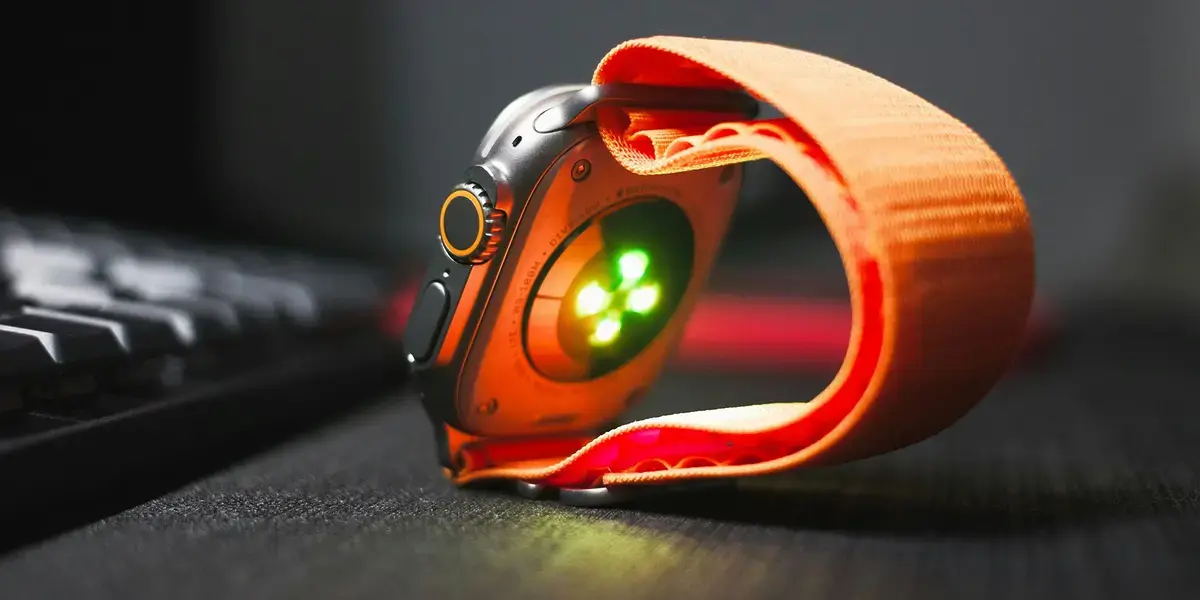
Apple has consistently maintained that its devices should not be categorized as medical equipment, a stance that was explicitly rejected by the court. By affirming that the Apple Watch functions as a patient monitoring device, the court has solidified the legal foundation for the infringement claims.
Legal Conflict Continues Through the Appellate Process
In response to the ruling, Apple issued a statement criticizing Masimo’s business practices and asserting that the technology in question is based on methods that have been widely known for decades. The company views the patent as outdated and intends to challenge the validity of the claims in a higher court. Apple remains committed to exhausting its legal options to resolve the dispute.
Apple’s next legal steps will determine the final financial impact on its wearable technology division.
Masimo, meanwhile, remains steadfast in its efforts to protect its proprietary technology. The outcome of this case has wider implications for the entire wearable technology industry, as it challenges the boundaries between consumer electronics and specialized medical monitoring tools. As the tech industry watches the appeals process unfold, many are questioning how these legal precedents will influence future product development and health-tracking features in consumer wearables.
The ongoing struggle between Apple and Masimo highlights the complexity of health-tech innovation and intellectual property rights. We invite you to share your thoughts in the comments section below regarding whether you believe tech giants should be held to medical-grade patent standards when implementing health features in consumer devices.
Your comment has been submitted,
it will be published after approval.