

The biggest obstacle facing Apple’s developing smart glasses is thought to be the limited battery life, lasting only a few hours when used independently. This could be a serious disappointment for those who want to use the device as an alternative to an iPhone.
New measures are being taken for battery life
Previous reports indicated that the device would require an exceptionally efficient silicon that offers power equivalent to the A-series chip in the iPhone while consuming only one-tenth of its power. According to new information, a chipset from Apple’s current product lineup could meet this need.
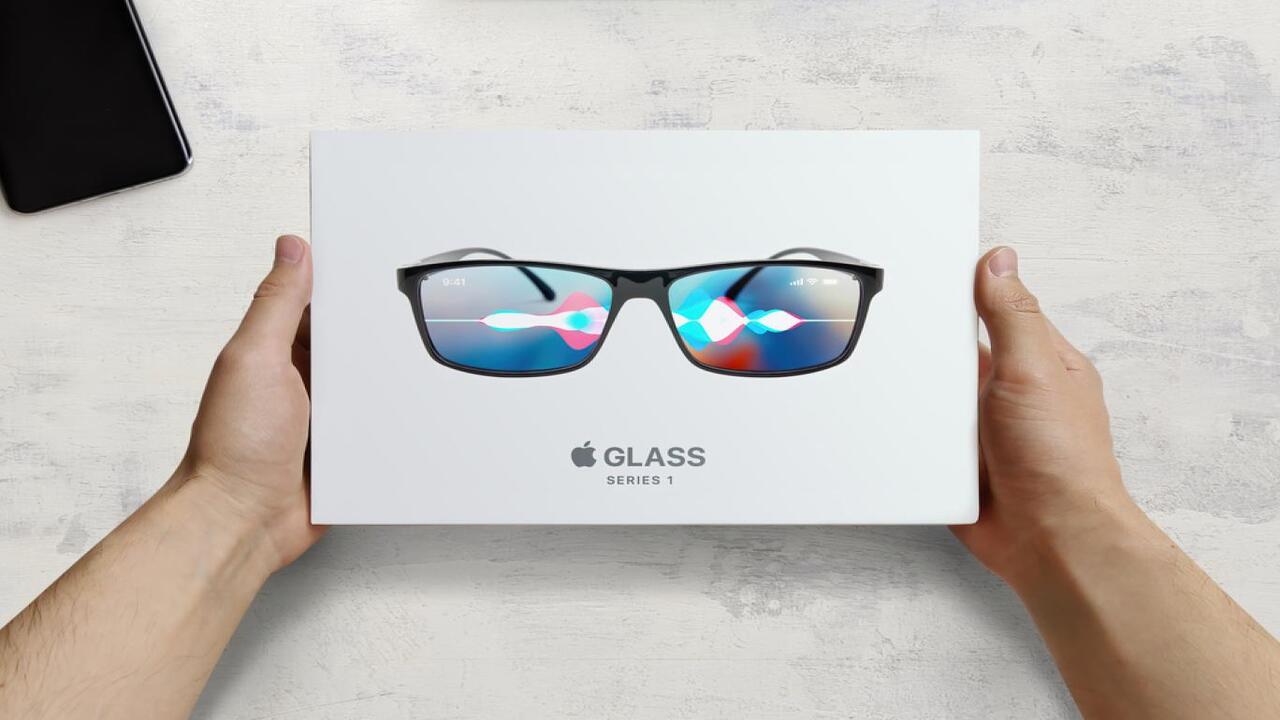
Rumors suggest that the SiP (System-in-Package) chip architecture used in Apple Watches will power the internal components of the Apple Glasses. This would allow the device to offer multiple cameras and artificial intelligence (AI) capabilities when connected to an iPhone.
The Cupertino-based giant’s most powerful SiP, the S10, features a dual-core architecture and a quad-core Neural Engine. While the S10 may not quite match the performance of the A19 or A19 Pro found in the latest iPhones, it’s likely to be competitive with older generation chipsets.
This makes the Apple Watch SiP an ideal candidate to power the internal components of Apple Glasses. According to EBN, the S10 chip’s ultra-low power consumption features make it a preferred choice, as it consumes enough energy to last all day while still having sufficient computing power.
For comparison, even the Vision Pro equipped with the M5 chip only lasts up to three hours despite having a large 35.9WHr battery (9,498mAh at 3.8V). Apple Glasses, on the other hand, need to remain incredibly lightweight, meaning the battery capacity will likely be below 800mAh.
In contrast, the S10 chip in the Apple Watch Ultra 3 is efficient enough to allow the flagship smartwatch to last 42 hours in normal use and an impressive 72 hours in Low Power Mode.
Although Apple Glasses don’t use an iPhone chip, they are expected to be feature-rich enough to handle functions such as image processing from multiple cameras, summoning and controlling Siri, and running AI features while connected to an iPhone.