
Apple Plans Revolutionary 1.4nm A22 Pro Processor for iPhone 20


Apple is set to redefine mobile computing performance as it prepares to integrate cutting-edge 1.4-nanometer A22 Pro processors into its flagship iPhone 20 lineup, scheduled for release in 2028. According to industry reports from Bloomberg, the tech giant is currently negotiating with its primary foundry partner, Taiwan Semiconductor Manufacturing Co. (TSMC), to secure the necessary manufacturing capacity for this significant architectural leap. By moving beyond the 3nm N3P processes currently utilized in the iPhone 17 and the anticipated 2nm transition in 2026, Apple aims to establish a new benchmark for energy efficiency and raw processing power in the smartphone industry.
- Apple will implement 1.4nm A22 Pro chips in the high-end 2028 iPhone 20 models.
- The advanced 1.4nm architecture will provide either a 15% performance boost or a 30% reduction in power consumption.
- Apple is exploring a potential manufacturing partnership with Intel to diversify its chip supply chain.
TSMC Will Enhance Future Smartphone Performance Through New Architectures
The 1.4nm node technology, currently under development at TSMC, represents a monumental shift in semiconductor capabilities. This architecture, often referred to as A14, promises to deliver substantial improvements in logic density compared to the existing 2nm N2 technology. For power users, this translates to a 15% increase in processing speed, while those prioritizing battery longevity can expect a 30% improvement in energy efficiency. 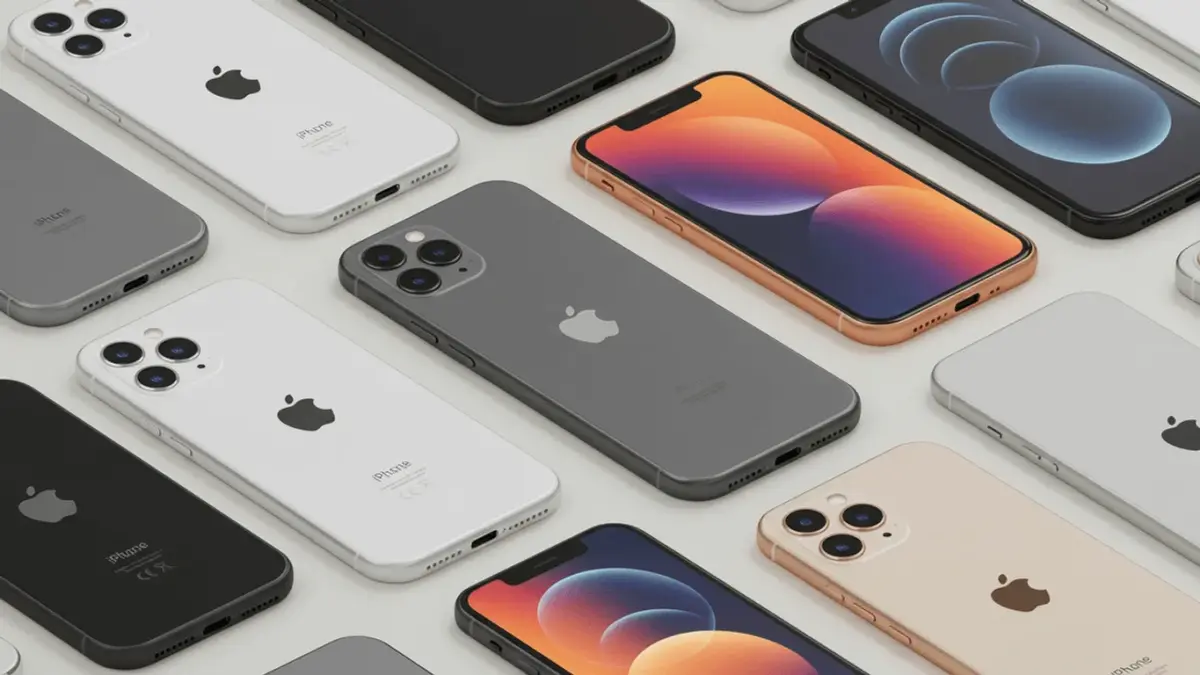
These next-generation 1.4nm chips will fundamentally redefine global standards for both mobile performance and battery efficiency.
Production Costs and Capacity Constraints Influence Industry Strategies
The transition to smaller node geometries inevitably introduces complex manufacturing hurdles and escalating costs. The global demand for high-end silicon is no longer driven solely by mobile manufacturers; major entities in the artificial intelligence sector, such as NVIDIA, are also competing for limited production space at TSMC facilities. Apple CEO Tim Cook recently acknowledged that supply chain constraints, particularly regarding the A19 series, have already impacted production cycles for current models, highlighting the critical nature of securing manufacturing capacity well in advance.
Intel May Become a Strategic Partner for Chip Production
To mitigate the risks associated with a concentrated supply chain, Apple is evaluating a strategic collaboration with Intel. Having previously relied on Intel processors for Mac computers, Apple now considers utilizing Intel’s specialized 14A node technology to manufacture its proprietary Arm-based silicon. If this partnership materializes, Intel’s facilities would play a vital role in meeting the aggressive production targets set for the 2028 iPhone 20 cycle. This shift would represent a significant diversification of Apple’s manufacturing reliance away from singular foundry dependencies.
A strategic partnership with Intel could effectively stabilize Apple’s complex hardware production pipeline.
How do you anticipate that the transition to 1.4nm processing technology will change your daily smartphone experience, and what specific features are you most excited to see in future iPhone generations? Please share your thoughts with us in the comments section below.
Your comment has been submitted,
it will be published after approval.