
Apple Prepares to Discontinue Over 10 Products Following September Event


Apple is gearing up for a major product launch event on September 9, where the tech giant is expected to announce significant changes to its hardware lineup. As part of its traditional strategy to create room for next-generation devices, the company is preparing to pull several popular items from its official sales channels. Industry analysts suggest that more than 10 products could be discontinued shortly after the event to streamline the company’s portfolio. This shift will impact a wide range of categories, including iPhone models, wearable technology, and various home audio accessories, signaling a strategic transition in Apple’s market presence.
- Apple intends to remove over 10 older product models from its official store catalog following the upcoming September event.
- The discontinuation strategy primarily targets previous-generation Pro iPhones and older wearable devices to maintain competitive market positioning.
- Potential delays in the development of future iPhone models may force the company to keep certain current devices available for longer durations.
Products Facing Potential Discontinuation are Identified
The tech industry anticipates a comprehensive cleanup of the current Apple inventory following the launch. Among the devices likely to be removed are the iPhone 17 Pro and iPhone 17 Pro Max. 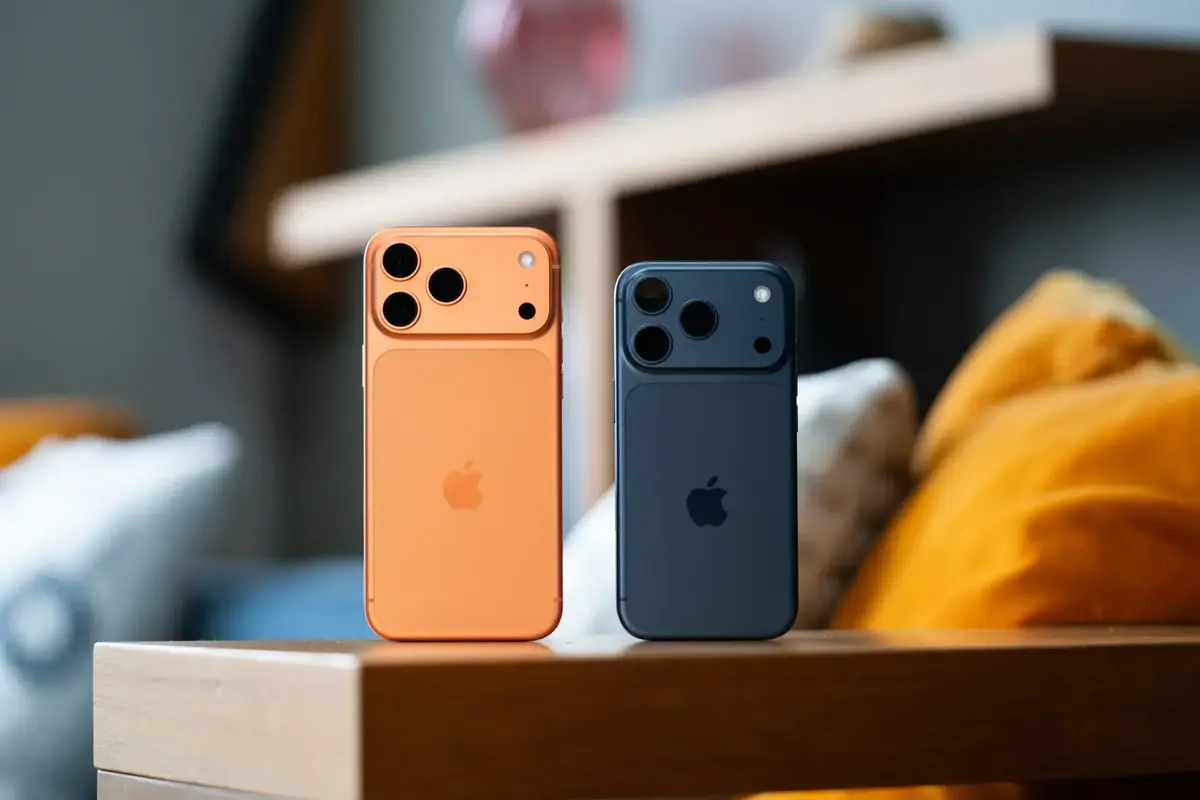 Historically, Apple retires previous Pro models to ensure that the newest, most advanced hardware remains the focal point for consumers. The standard iPhone 16 and 16 Plus models are also expected to see their official sales cycles conclude.
Beyond smartphones, the wearable technology segment faces significant updates. 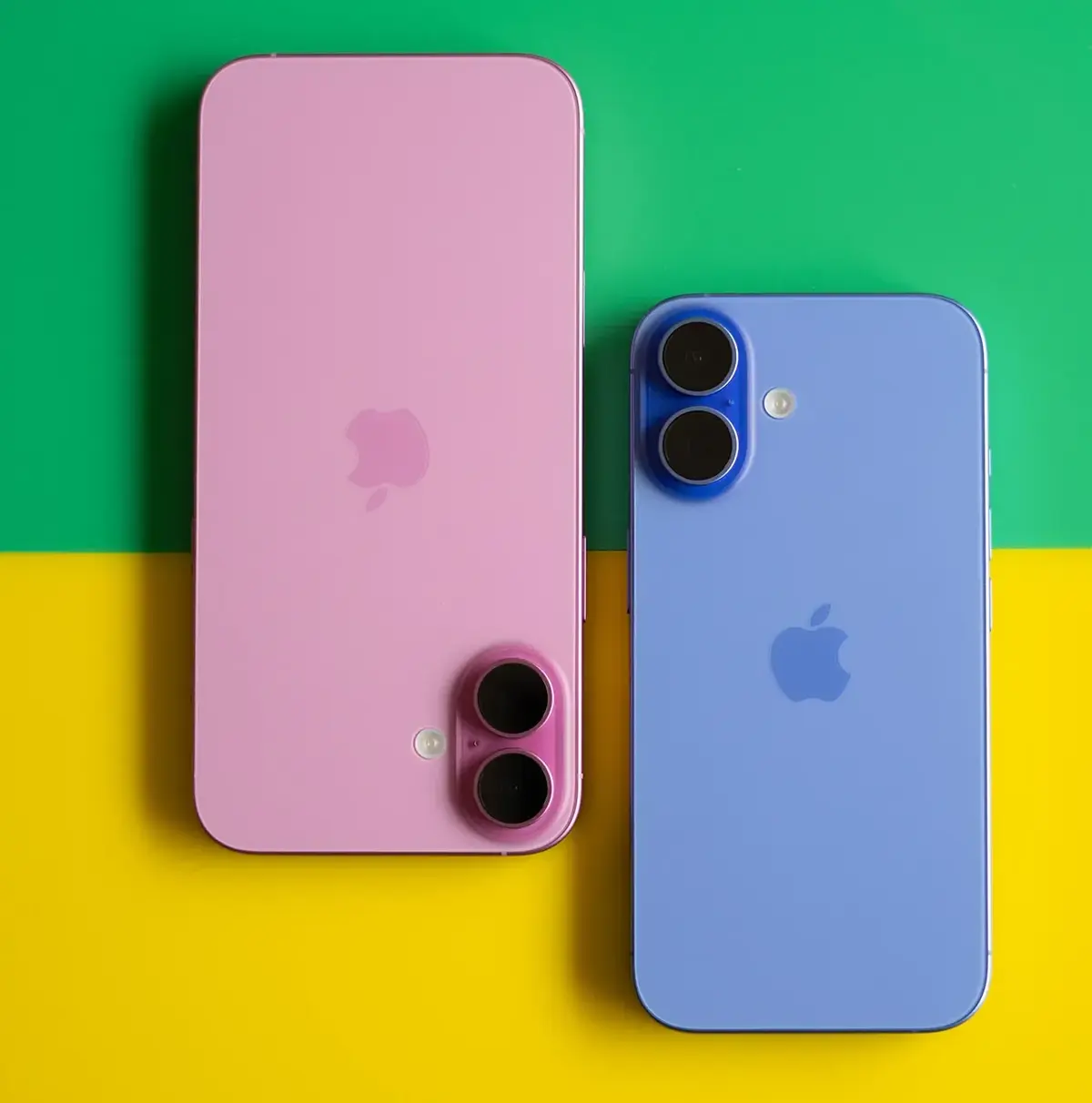 Analysts suggest that the Apple Watch Series 11 and Apple Watch Ultra 3 will likely replace their predecessors. Furthermore, the audio category, including the AirPods 4 and AirPods 4 with ANC, is under review for potential retirement as newer iterations take their place in the market. In the home electronics department, devices such as the third-generation Apple TV 4K, the first-generation HomePod mini, and the second-generation HomePod are considered candidates for removal from the official store.
Strategic Shifts Influence Product Availability
While the retirement of many older devices appears certain, some product categories involve more complex decision-making. 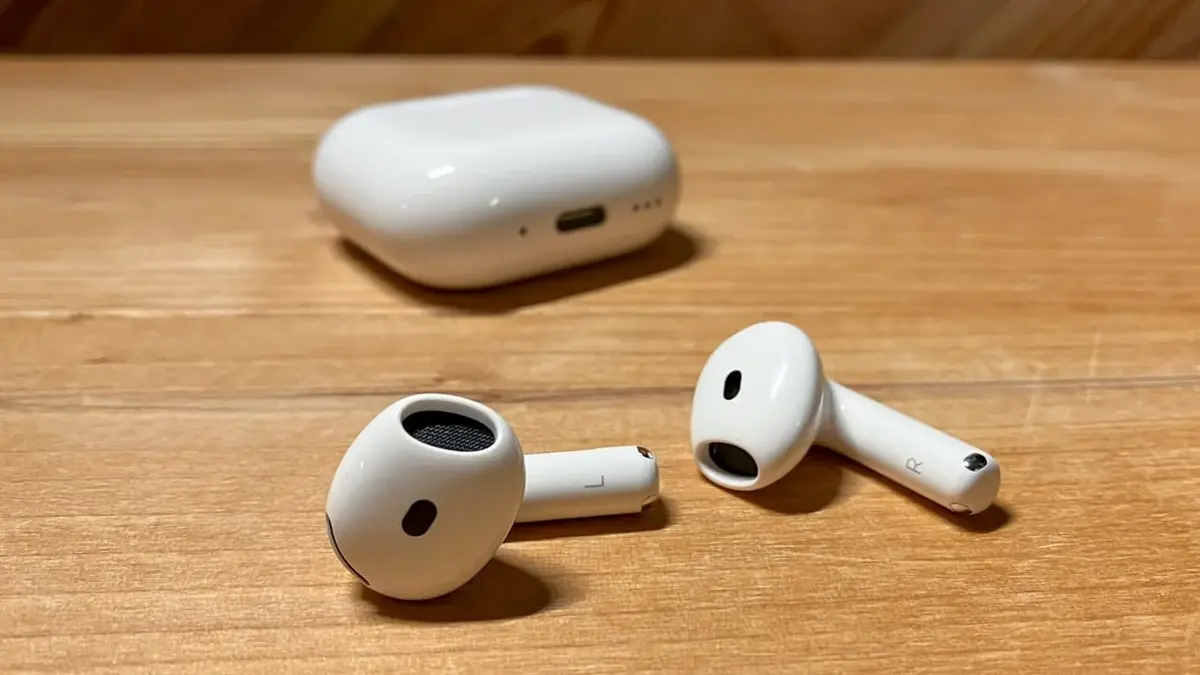 The status of the iPhone 16 series, in particular, remains subject to change. Typically, the arrival of a new entry-level iPhone would lead to a price reduction for the previous model; however, reports concerning the delay of the iPhone 18 and iPhone Air 2 until 2027 could alter this trajectory.
This potential delay suggests that Apple may choose to maintain current models in its lineup for an extended period to fill gaps in its future release schedule. 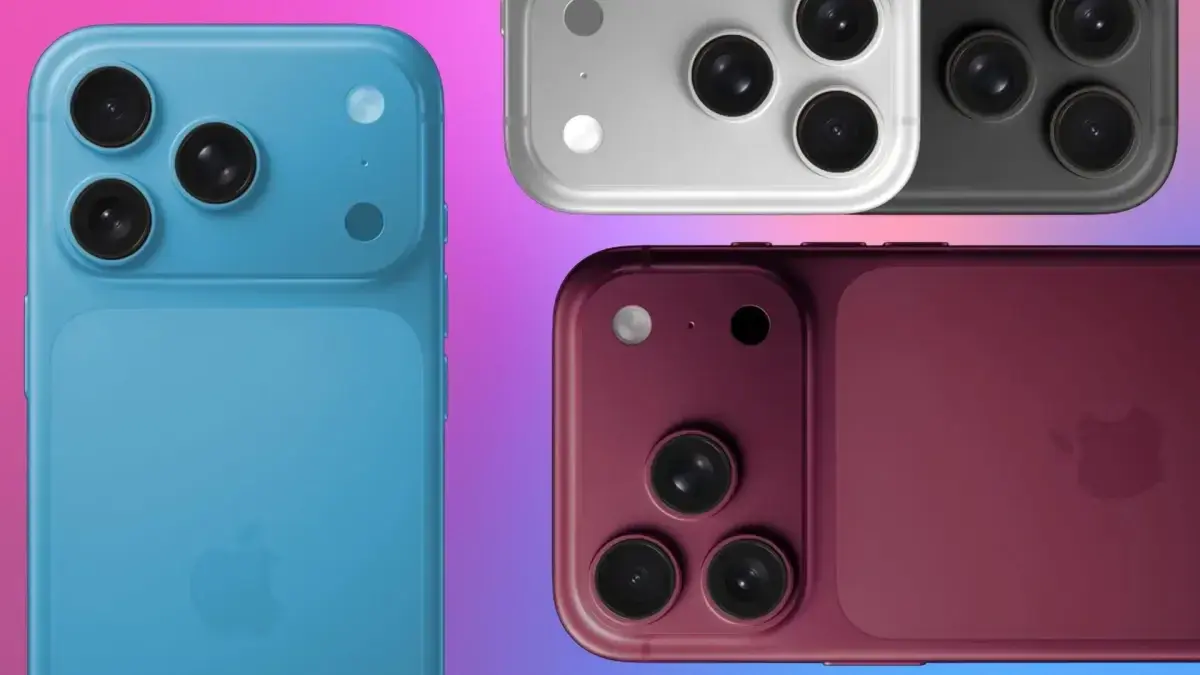 Additionally, rising global production costs are forcing the company to reconsider its pricing architecture. By retaining older devices as more affordable alternatives to the premium new launches, Apple may seek to satisfy a broader consumer base while maximizing its operational efficiency. The September event will undoubtedly provide the definitive roadmap for these hardware changes and clarify how the company plans to balance innovation with accessibility.
We are eager to hear your thoughts on Apple’s pruning strategy; do you believe it is better for the brand to discontinue older models to maintain a streamlined catalog, or should they support their legacy devices for a longer period? Share your opinions in the comments section below.
Your comment has been submitted,
it will be published after approval.