
Apple Prepares to Launch the Powerful OLED iPad Mini 8

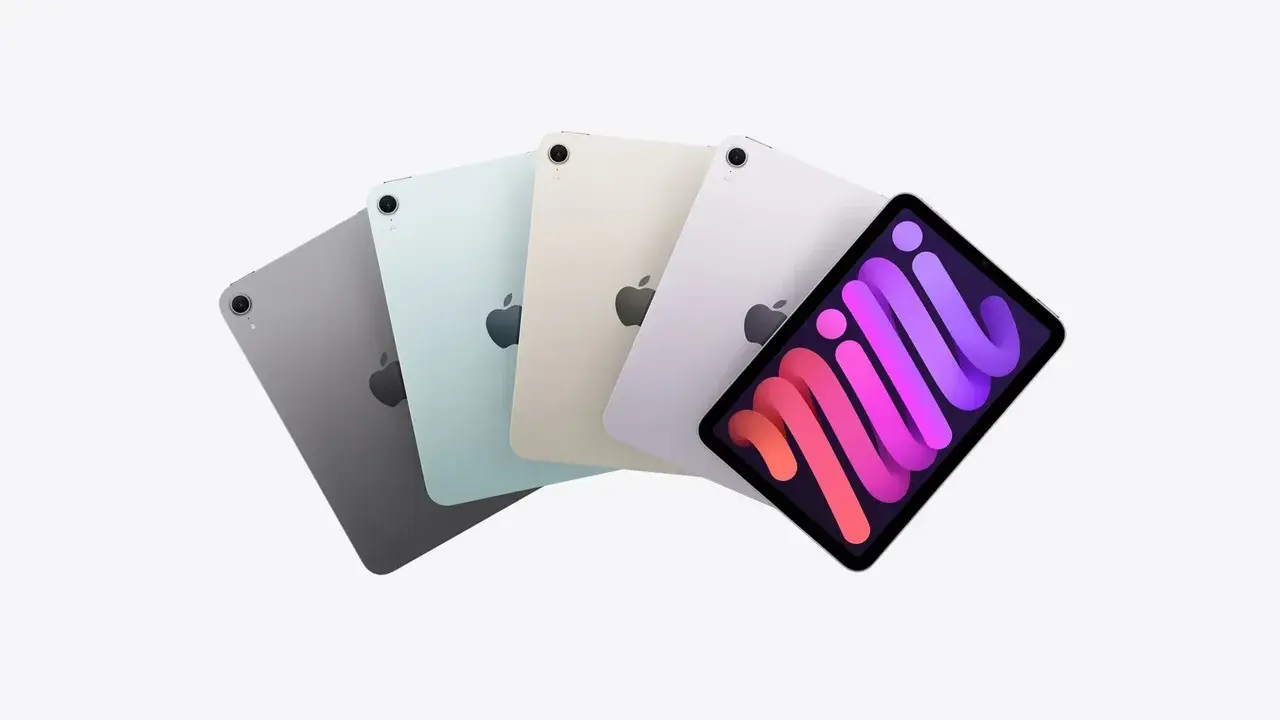
Apple is set to unveil the highly anticipated iPad mini 8 during an upcoming event later this month, marking a significant hardware refresh for the company’s compact tablet lineup. Two years after the release of its predecessor, the new device aims to redefine performance standards for small-form-factor tablets by integrating advanced display technology and a substantial processing power upgrade. While enthusiasts have been eager for these improvements, industry analysts suggest that the premium hardware enhancements will come at a notably higher cost, potentially creating a challenge for consumers weighing the necessity of an upgrade in the current market.
- The iPad mini 8 will feature a new OLED display panel to improve visual quality.
- The device will be powered by the A20 Pro chipset paired with 12GB of LPDDR5X RAM.
- The starting price for the new model is expected to rise to approximately 799 dollars.
- Apple plans to relocate the FaceTime camera and implement a completely redesigned speaker system.
The New Model Integrates OLED Technology and A20 Pro Performance
According to insights provided by Bloomberg’s Mark Gurman, the most notable change in this iteration is the transition to OLED panel technology. This shift is expected to provide superior contrast, deeper blacks, and improved color accuracy compared to previous liquid crystal displays found in the iPad mini series. Beyond the screen, the internal architecture receives a major boost with the inclusion of the A20 Pro chip, the same processor architecture slated for the upcoming iPhone 18 Pro series.
To support this high-performance silicon, Apple has increased the memory capacity to 12GB of LPDDR5X RAM, a significant jump from the 8GB found in the previous model. These hardware advancements are designed to handle intensive professional workflows and high-end media consumption with ease. Furthermore, the internal layout has been re-engineered to accommodate a relocated FaceTime camera, which should provide a more natural viewing angle during video calls, alongside a revamped speaker system intended to produce a richer, more immersive sound profile.
The Higher Price Point Impacts Market Competition
Despite the technical improvements, the pricing strategy for the iPad mini 8 is expected to be a major point of contention. The current iPad mini 7 is positioned at 599 dollars, but projections suggest that the new model will debut at 799 dollars. This 200-dollar price increase reflects the rising costs of advanced components, particularly the high-quality OLED panels and expanded DRAM capacity, which Apple appears to be passing directly to the end user.
Market analysts are questioning whether this pricing will limit the tablet’s reach, especially when professional-grade devices like the 11-inch M5 iPad Pro are frequently available at discounted rates. For many consumers, the price tag may outweigh the benefits of the compact form factor. While the hardware upgrades are undeniably impressive, the market reality suggests that the value proposition for a non-cellular, small-screen tablet at this price point remains uncertain. History suggests that waiting for potential post-launch promotions might be the most logical path for prospective buyers who are not in immediate need of a device.
Given the expected 799-dollar starting price, do you believe the jump to an OLED screen and the A20 Pro chip justifies the cost, or will you be waiting for a price drop before making the switch? Share your thoughts in the comments section below.
Your comment has been submitted,
it will be published after approval.