
Apple Prepares to Launch the Redesigned iPhone Air 2

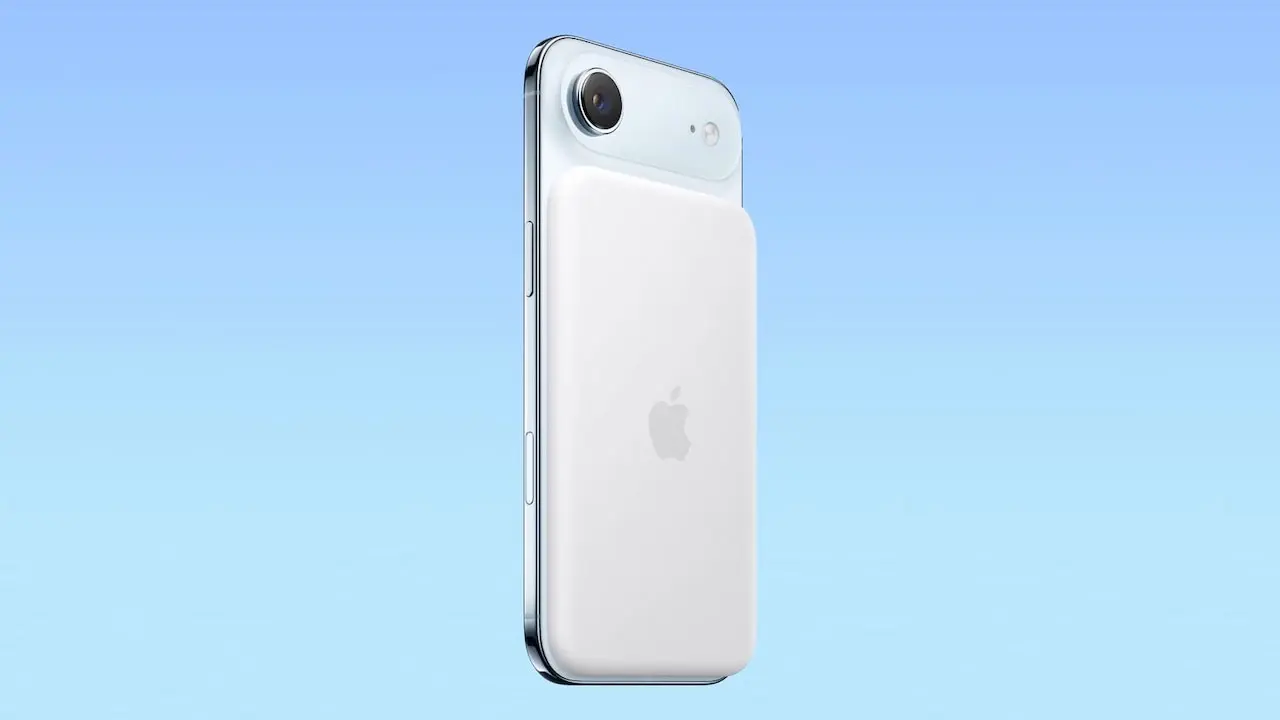
Apple is actively developing the upcoming iPhone Air 2, aiming to address the market shortcomings of its predecessor with significant hardware enhancements. Following a period of uncertainty regarding the project’s development timeline, reports now confirm that the company has solidified its plans for a spring 2027 release. Engineering teams are currently prioritizing a design that maintains the signature ultra-thin profile while integrating major technical upgrades, including a more capable camera system and a next-generation chipset. This strategic refinement seeks to reposition the device as a competitive option for users who demand both premium performance and a lightweight form factor.
- Apple has scheduled the official launch of the iPhone Air 2 for the spring of 2027.
- The device will feature a dual-camera system replacing the previous single-lens configuration.
- Engineers will incorporate the 2-nanometer A20 Pro chip to boost processing power and energy efficiency.
- The hardware will include vapor chamber cooling technology to manage thermal performance during intensive tasks.
Dual Camera Integration Improves Photography Capabilities
One of the primary criticisms directed at the original iPhone Air was its reliance on a single rear camera to maintain its slim aesthetic. Industry analysts indicate that Apple is rectifying this limitation by incorporating an ultra-wide secondary lens in the iPhone Air 2. This addition is expected to bring the device’s photography capabilities in line with standard flagship models, providing users with more versatile shooting options. 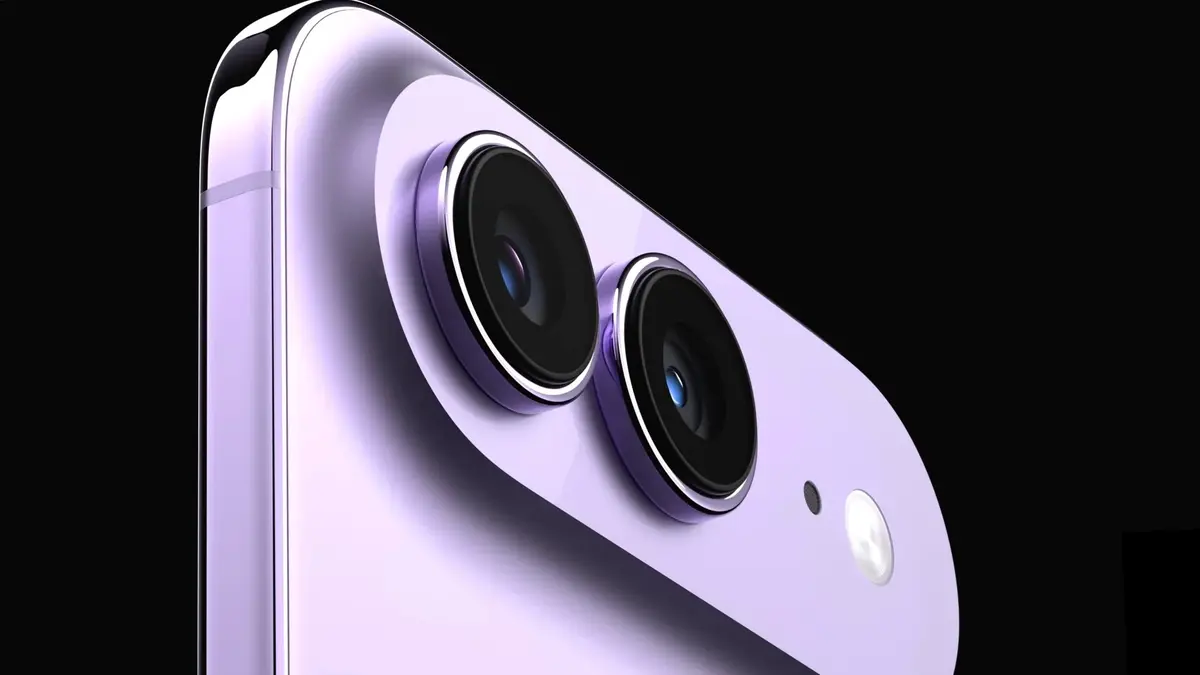
The transition to a dual-camera setup represents a significant compromise between ultra-thin design and functional utility.
A20 Pro Chipset Enhances Processing Efficiency
At the core of the new model, Apple intends to utilize the A20 Pro processor, which marks the company’s first foray into 2-nanometer architecture. This cutting-edge chip is designed to deliver superior computing power while simultaneously optimizing battery consumption. By utilizing a module structure that integrates SoC and DRAM units at the wafer level, Apple aims to achieve substantial performance gains within the device’s constrained internal space.
Cooling Technology Manages Internal Thermal Loads
Leaks from the supply chain suggest that the iPhone Air 2 will house a 3,500mAh battery, representing a ten percent capacity increase compared to previous versions. To ensure that this hardware operates efficiently, Apple is implementing the advanced vapor chamber cooling technology first introduced in the iPhone 17 Pro series. This inclusion is vital for preventing thermal throttling during heavy workloads, allowing the A20 Pro to maintain peak performance for longer durations.
Enhanced thermal management is critical to ensuring the longevity of the device under high-performance conditions.
Strategic Shifts Define the New Release Timeline
Although initial projections pointed toward a September 2026 debut, recent updates indicate that the project has been pushed to the spring of 2027. This delay appears to be a calculated decision by Apple to ensure that all hardware improvements are thoroughly refined before the product reaches consumers. By aligning the launch with the spring cycle, the company aims to maximize the market impact of its latest technological innovations.
Do you believe these hardware upgrades will finally make the iPhone Air series a worthy competitor in the flagship market, or would you prefer to see more radical changes in the design? Share your thoughts in the comments section below.
Your comment has been submitted,
it will be published after approval.