
Apple Prepares to Launch Ultra-Thin 5.2mm iPhone Air 2

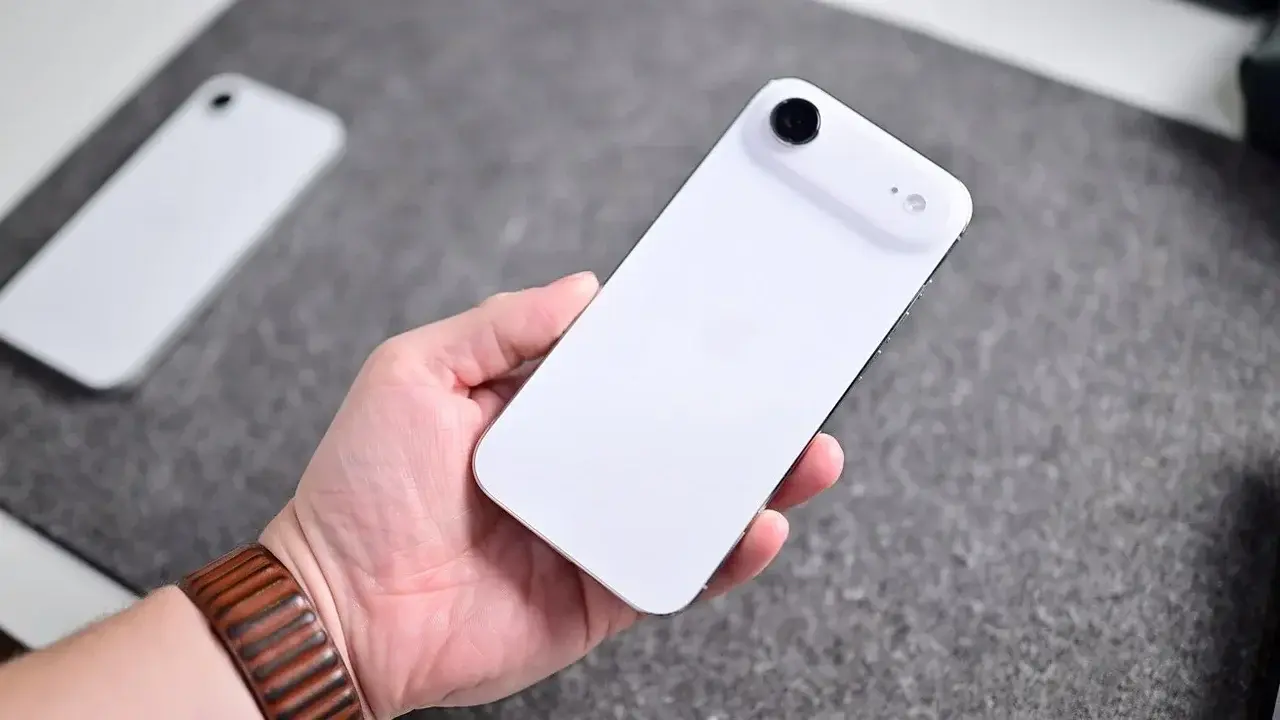
Apple is currently accelerating development on its highly anticipated next-generation smartphone, the iPhone Air 2, which aims to set new industry records for slimness. Industry insiders report that the company plans to shrink the device’s thickness to an unprecedented 5.2 mm, further pushing the boundaries established by its predecessor. Following the release of the inaugural iPhone Air, which featured a 5.6 mm profile in 2025, this upcoming iteration represents Apple’s latest attempt to redefine ultra-portable mobile hardware. The device is expected to debut during a spring launch event, potentially sharing the spotlight with the upcoming iPhone 18 and iPhone 18e models.
- The iPhone Air 2 will feature a record-breaking 5.2 mm chassis constructed with a durable titanium frame.
- Internal hardware includes the advanced A20 Pro processor to ensure performance parity with the Pro lineup.
- Battery life concerns are addressed through the implementation of new high-energy-density cell technology.
- The camera system receives a significant upgrade with the addition of a 48-megapixel ultra-wide lens.
Titanium Design and Hardware Performance Improve
The structural integrity of the iPhone Air 2 will continue to rely on a premium titanium frame, maintaining the aesthetic and durability standards established by previous flagship models. This design choice underscores Apple’s commitment to balancing extreme thinness with high-quality materials. 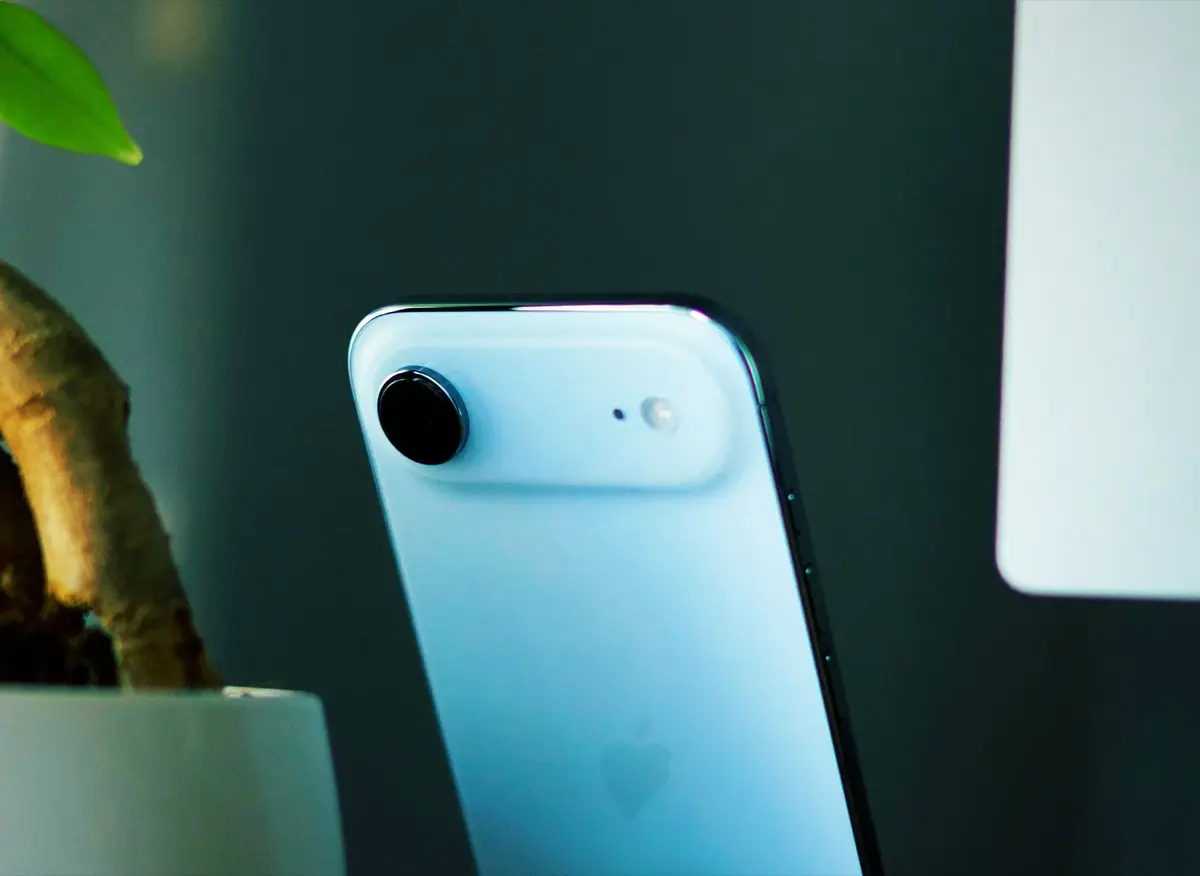
Internally, the device is projected to house the A20 Pro chipset, the same processor slated for the high-end iPhone 18 Pro series. This inclusion ensures that the ultra-thin form factor does not necessitate a compromise in processing power. Additionally, the display will feature a refined, smaller Dynamic Island design to maximize screen real estate, while other core specifications like RAM capacity and front-facing camera resolution are expected to remain consistent with current standards.
Camera Capabilities Expand Significantly
One of the most notable technical improvements involves the rear camera configuration. While the original model utilized a single lens system, the iPhone Air 2 is rumored to integrate a secondary 48-megapixel ultra-wide-angle lens. This dual-lens setup will provide users with greater versatility, allowing for expansive landscape photography and more creative framing options. By introducing this hardware, Apple aims to satisfy users who prioritize photographic flexibility without adding unnecessary bulk to the device.
Battery Technology and Connectivity Evolve
To mitigate the battery life criticisms leveled against its predecessor, Apple is integrating innovative high-energy-density battery technology. This proprietary cell design, which is also destined for the iPhone 18 Pro lineup, allows for a greater storage capacity within the same physical footprint. This advancement is critical for sustaining the power-hungry A20 Pro chip while maintaining a 5.2 mm body.
Furthermore, connectivity receives a boost with the integration of a new C2 modem and an N2 wireless chip. These components are expected to enhance signal reliability and data transmission speeds, ensuring that the device remains competitive in global markets. Apple is clearly prioritizing efficiency alongside its push for extreme portability.
As Apple continues to push the physical limits of smartphone design by cramming more power into an increasingly thinner frame, we want to hear your thoughts. Do you believe that achieving a 5.2 mm thickness is a necessary innovation, or should the company focus more on maximizing battery longevity? Share your opinions in the comments section below.
Your comment has been submitted,
it will be published after approval.