
Apple Reveals Latest iOS 26 Usage Statistics at WWDC 2026

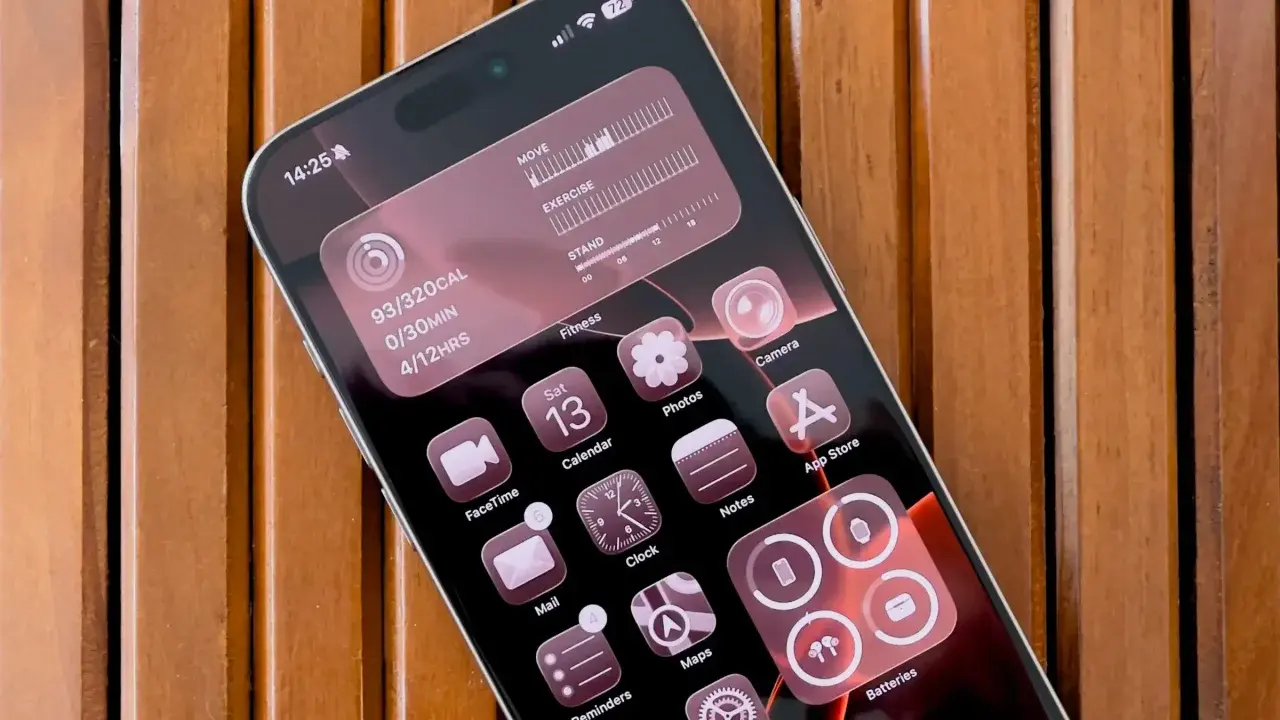
At the highly anticipated WWDC 2026 event held last Monday, Apple officially introduced iOS 27 to the global developer community. During the keynote, the technology giant took the opportunity to disclose comprehensive usage statistics regarding its current operating system, iOS 26. As the company transitions its focus to the next generation of software, these metrics provide a transparent look at how iPhone users have embraced the latest environment. Despite initial criticism regarding the Liquid Glass design language, the data confirms that a significant majority of the active user base has adopted the current software, highlighting the company’s influence on the mobile ecosystem.
- Eighty-six percent of iPhone models released within the last four years currently operate on iOS 26.
- The total adoption rate for all active iPhone models stands at 79 percent globally.
- Seventy-nine percent of iPad models from the last four years utilize the latest iPadOS 26 version.
- Current adoption rates for iOS 26 remain slightly lower than the figures reported for iOS 18 during the same period last year.
Apple maintains a transparent approach by sharing precise adoption data for its mobile operating systems.
iPhone Adoption Rates Reveal User Trends
The transition to iOS 26 represented a significant shift in Apple’s aesthetic and functional strategy. The introduction of the Liquid Glass design, characterized by its signature transparent, glass-like UI elements, initially faced skepticism from long-time users accustomed to more opaque interfaces. However, consistent iterative updates and performance refinements have successfully mitigated these early concerns. The latest statistics confirm that 86 percent of iPhones sold in the last four years have transitioned to this version, proving that the visual overhaul has reached widespread acceptance among the core consumer demographic. 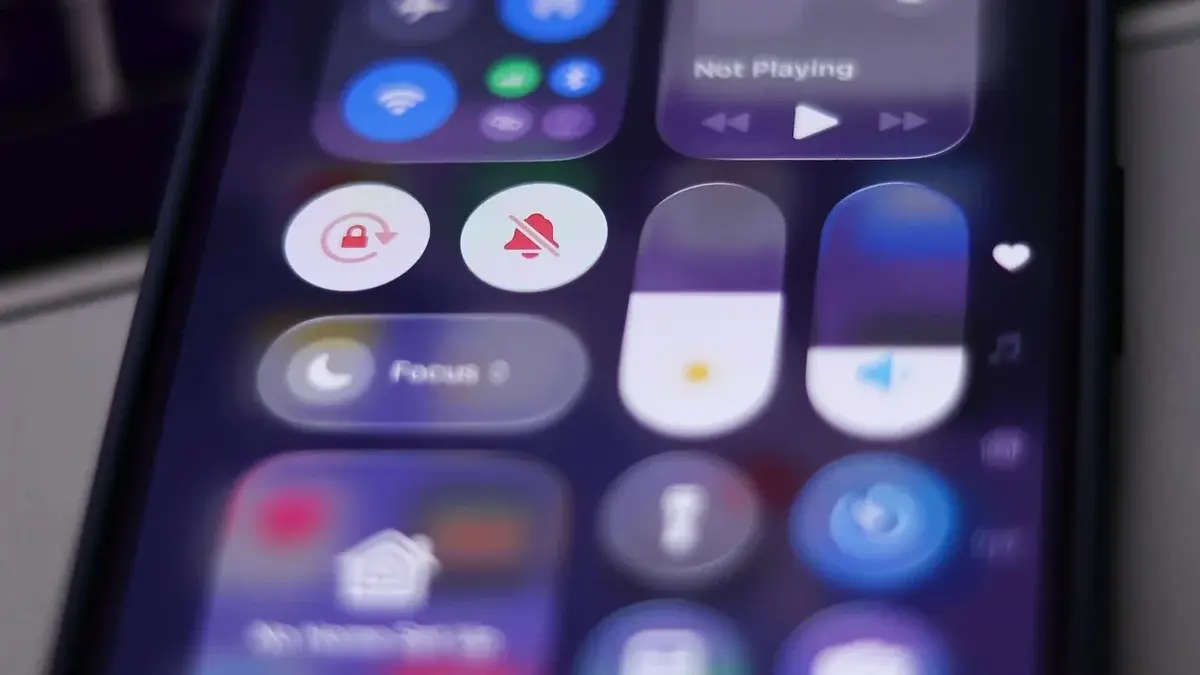
When analyzing the entire active base of devices—including older models—the adoption rate sits at 79 percent. While these numbers illustrate strong momentum, they do fall marginally behind the benchmarks set by iOS 18 in previous years. Last year, Apple reported an 88 percent adoption rate for newer devices and an 82 percent rate for the total fleet. Industry analysts suggest that this minor contraction might stem from a variety of factors, including hardware upgrade cycles or specific user preferences regarding the new design language.
iPadOS 26 Adoption Metrics Reflect Similar Patterns
Beyond the smartphone segment, Apple also provided a detailed breakdown of tablet usage. The data indicates that the adoption of iPadOS 26 is following a parallel trajectory to its mobile counterpart. Among iPad models released within the previous four years, the adoption rate reached 79 percent. When factoring in every iPad model currently in circulation, the figure settles at 68 percent. These figures are essential for developers and businesses that optimize their services for the Apple ecosystem, as they define the target environment for the vast majority of users.
The consistent data flow allows developers to make informed decisions regarding software optimization.
As Apple continues to refine its software, the focus remains on balancing design innovation with user familiarity. The company’s commitment to providing these metrics ensures that the developer community can continue to support the latest features effectively. These adoption patterns underscore a healthy lifecycle for Apple’s hardware, even as the market faces broader global economic pressures that influence how frequently users upgrade their devices.
We are curious to hear your perspective on these findings. What do you believe is the primary reason behind the slight dip in adoption rates compared to last year’s figures? Please share your thoughts in the comments section below.
Your comment has been submitted,
it will be published after approval.