
Apple Squeezes Chinese Phone Makers Through Strategic Supply Control

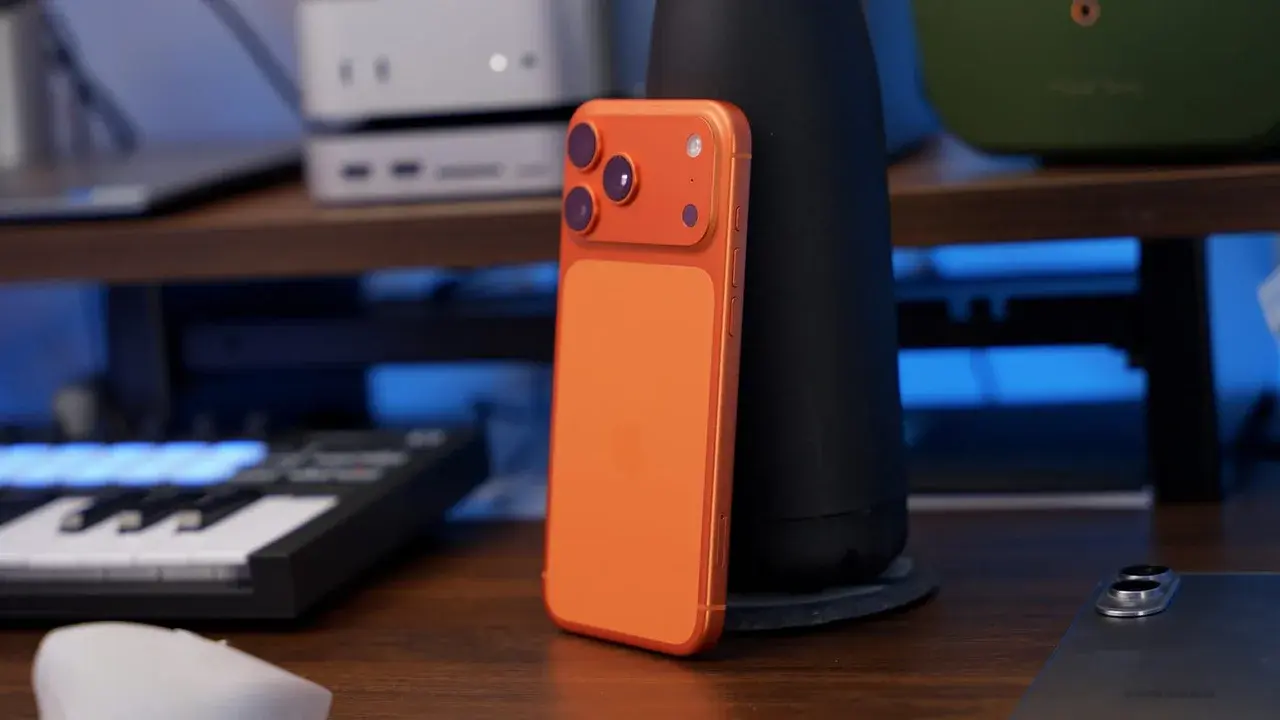
In a significant shift within the global smartphone market, Apple has effectively cornered Chinese phone manufacturers by securing a vast majority of the available mobile DRAM supply. Recent reports indicate that the Cupertino-based tech giant is consuming nearly 2.4 exabyte of memory, leaving rivals struggling to source the necessary components for their flagship devices. While Apple clarified in its latest earnings call that its primary production bottleneck remains TSMC’s advanced manufacturing capacity rather than memory, the company’s aggressive procurement strategy has created a hostile environment for competitors. This move has pushed Apple to raise its annual iPhone shipment target to 240 million units, leaving the broader industry, particularly Chinese brands, facing severe inventory shortages and escalating costs.
- Apple has captured a dominant portion of the global mobile DRAM stock to solidify its supply chain stability.
- Chinese smartphone manufacturers face production hurdles as material costs for premium devices reach 917 dollars per unit.
- Apple has successfully achieved 20 million activations for the iPhone 17 series in the Chinese market alone.
- Rising component expenses are forcing several Chinese brands to reconsider the viability of their ultra-premium flagship lineups.
The aggressive monopolization of memory chips creates an insurmountable barrier for smaller competitors aiming to challenge the premium smartphone segment.
Chinese Manufacturers Face Difficult Market Conditions
The current market landscape is increasingly defined by the scarcity of high-end components. While Apple and Samsung have secured their positions through long-term contracts with major memory producers, other firms are left to navigate a volatile spot market. Data from Daishin Securities highlights that Apple’s strategic hoarding of memory chips is a calculated effort to maintain product pricing while simultaneously hindering the shipment goals of its rivals.
For many Chinese OEMs, the situation has become critical. The cost of materials for “Ultra” class flagship devices has surged to approximately 917 dollars, a price point that makes profitability nearly impossible. Reports suggest that several manufacturers are now evaluating whether to abandon their high-end series entirely to avoid unsustainable financial losses.
Market Dynamics Are Changing Rapidly
The success of the iPhone 17 series demonstrates the effectiveness of Apple’s current approach. With 20 million units activated in China, including 10 million for the Pro Max model alone, it is clear that consumer demand remains resilient despite the broader economic climate. This performance puts intense pressure on domestic Chinese brands that are unable to match Apple’s ecosystem integration or supply chain resilience.
The shift toward supply-side dominance marks a transformative era for the global electronics industry.
As these companies struggle with rising bill-of-materials costs, the market is likely to undergo further consolidation. If the current trajectory continues, the premium smartphone space may become a duopoly between Apple and Samsung, leaving little room for competitors who cannot secure long-term, high-volume supply agreements. The industry is watching closely to see if Chinese manufacturers can pivot their strategies or if the era of the “Ultra” flagship will be defined exclusively by western leaders.
How do you believe Apple’s aggressive dominance in the memory market will reshape the future of smartphone competition for consumers? Share your thoughts in the comments below.
Your comment has been submitted,
it will be published after approval.