
Apple Tests New Mac Mini Featuring M6 and M5 Pro Chips

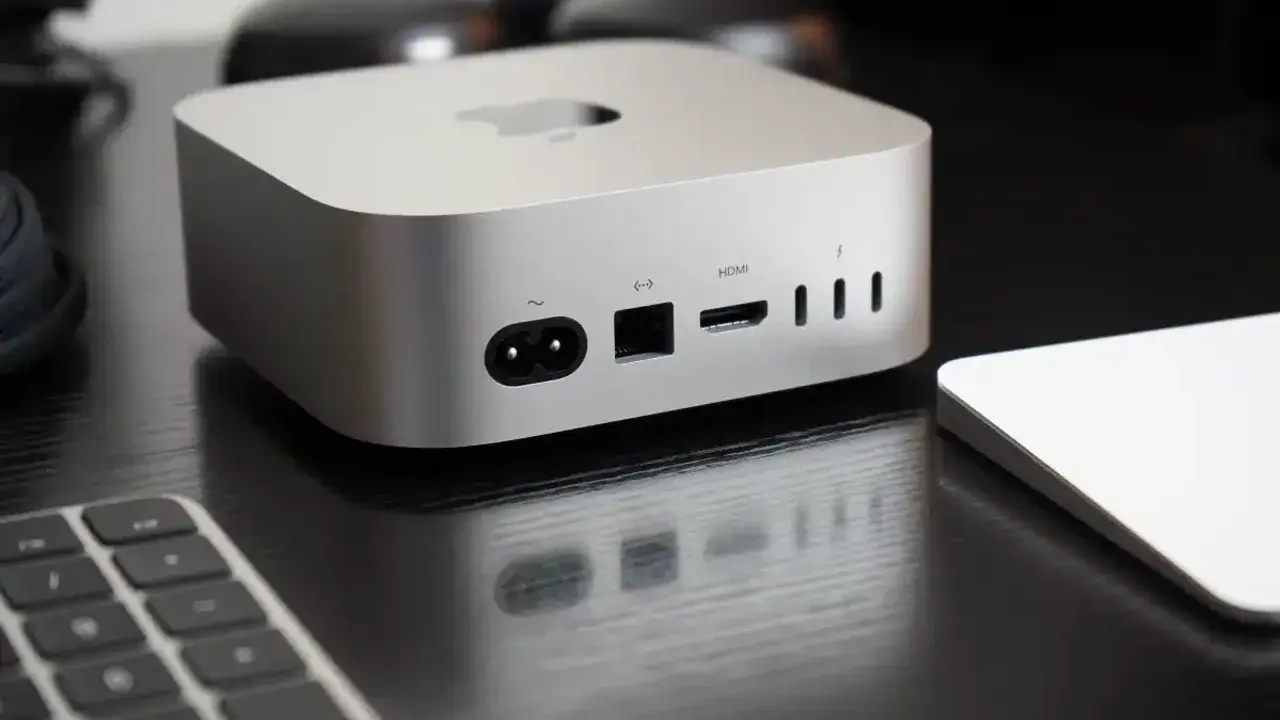
Apple is currently exploring innovative hardware configurations for its upcoming Mac mini lineup, with recent reports from Bloomberg’s Mark Gurman suggesting that the company is testing devices equipped with both M6 and M5 Pro processors. This experimental development marks a strategic shift in how the tech giant approaches internal architecture, signaling a continued effort to blend different generations of silicon to optimize performance. While the Cupertino-based company has not yet provided an official release date or confirmed the specific technical details, the move highlights Apple’s commitment to pushing the boundaries of its compact desktop computing capabilities through unique hardware integration.
- Apple is actively testing Mac mini prototypes that combine M6 and M5 Pro processor architectures.
- The company continues its strategy of utilizing hybrid chip configurations to enhance performance and efficiency.
- Historical precedents for this hardware strategy exist within the Mac Studio product line.
- No official launch date has been established for these potential new Mac mini models.
Apple Continues to Diversify Hardware Strategies
The tech industry has taken notice of this unconventional approach, though it is not entirely unprecedented for the company. Apple has previously demonstrated a willingness to experiment with diverse silicon pairings to maximize the output of its professional-grade machines. By leveraging different generations of processing power, the firm aims to fine-tune the balance between raw speed and energy efficiency, ensuring that its hardware remains competitive against evolving market demands.
This strategic integration of cross-generational chips represents a calculated evolution in Apple’s hardware roadmap.
Professional Workflows Benefit From Hybrid Architectures
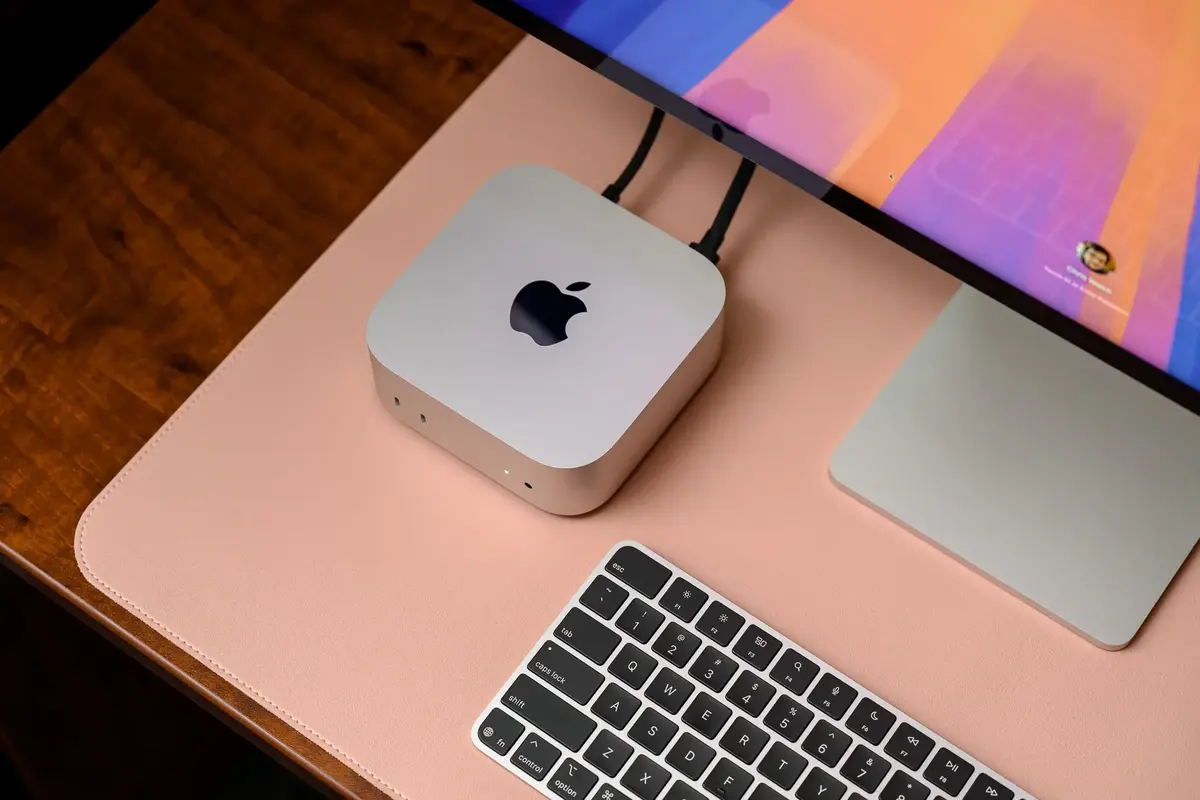
Last year, the company implemented a similar strategy when it updated the Mac Studio, which featured a blend of M4 Max and M3 Ultra processors. This successful deployment proved that mixing chip generations could yield significant improvements in complex computational tasks. Now, by applying this methodology to the Mac mini, Apple is signaling that even its most compact desktop systems may soon see a substantial boost in their professional-grade processing power.
The inclusion of M6 and M5 Pro chips in a single device suggests that engineers are focusing on modularity and inter-generational compatibility. While internal testing is still ongoing, the potential for these machines to handle heavy multitasking and high-intensity workloads is considerable. Users who rely on the Mac mini for creative or technical tasks may find these hybrid configurations particularly advantageous for long-term productivity.
Future Developments Remain Under Strict Confidentiality
Despite the excitement surrounding these reported tests, Apple maintains its tradition of keeping development timelines under wraps. There has been no public disclosure regarding when these hybrid machines will reach the consumer market or how they will be segmented within the existing product hierarchy. The tech community continues to monitor these developments closely as the company navigates the complexities of modern processor manufacturing.
The current iteration of the Mac mini remains a staple in the compact desktop market, offering a blend of portability and power that is difficult to match. Whether this new configuration becomes the standard for the next generation of hardware remains to be seen, but it is clear that the company is not resting on its laurels. As Apple continues to refine its silicon, the potential for even higher performance ceilings appears quite promising for future users.
We are curious to hear your perspective on this unique hardware strategy; do you believe combining different generations of chips is the right path for future Mac mini models? Please share your thoughts in the comments section below.
Your comment has been submitted,
it will be published after approval.