
Apple to Revolutionize Slim Design with iPhone Air 2

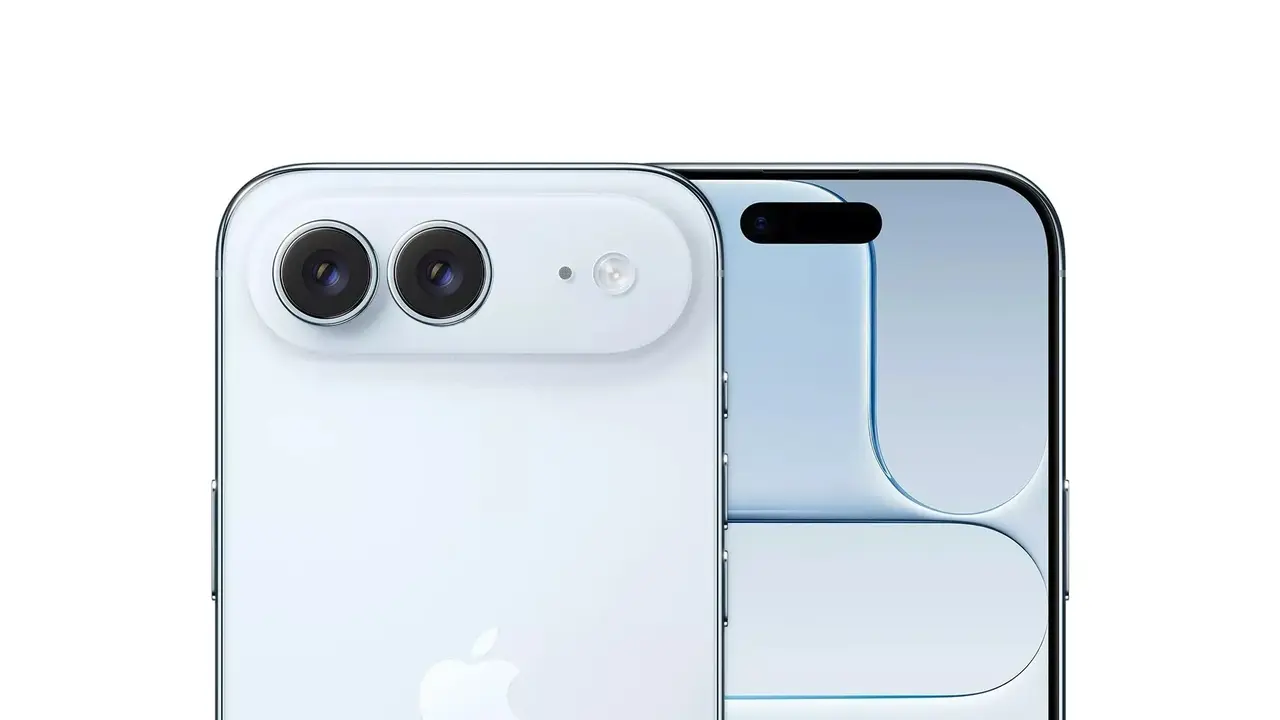
Apple is preparing to revitalize its slim smartphone strategy with the upcoming launch of the iPhone Air 2, scheduled for release in the spring of next year. After the initial iteration of its ultra-thin device failed to capture significant market share, the Cupertino-based tech giant is focusing on two critical upgrades to address user dissatisfaction. By prioritizing enhanced camera capabilities and superior battery performance, Apple intends to restore consumer confidence in thin form-factor smartphones. This strategic move underscores the company’s commitment to carving out a new, premium segment in an increasingly competitive mobile market.
- The iPhone Air 2 features a dual-lens rear camera system to improve photography capabilities.
- Integrated A20 Pro processors and C2 5G modems optimize power consumption to extend battery life.
- Engineers have redesigned the Face ID module to maintain the device’s ultra-thin physical profile.
Enhanced Camera Hardware Improves User Experience
One of the most anticipated updates for the iPhone Air 2 is the transition to a dual-camera setup, which significantly improves wide-angle photography and video performance. While the previous model relied on a single sensor, which limited creative potential, the new configuration aims to meet the demands of both amateur and professional users. By leveraging dual high-resolution sensors, Apple seeks to set a new standard for optical quality in thin-profile devices.
The new camera hardware delivers superior image quality without increasing the physical thickness of the smartphone.
Battery Life Extends Through Advanced Efficiency Technologies
Addressing battery longevity remains a primary objective for Apple’s development team. Instead of opting for bulkier silicon-carbon battery technology that would compromise the frame, the company is relying on the high energy efficiency of the A20 Pro chipset. Coupled with the C2 5G modem, which offers improved connectivity management, the device promises to maintain power levels throughout a typical workday. Furthermore, the upcoming iOS 27 update will introduce software-level optimizations to ensure background processes consume minimal energy.

Face ID Components Undergo Significant Redesign
Achieving a ultra-thin form factor presents substantial challenges regarding internal hardware placement. Apple engineers have successfully optimized the Face ID module, reducing its total footprint to accommodate the complex dual-camera array. This engineering feat allows the company to differentiate itself from competitors, many of whom have abandoned ultra-thin designs due to internal space constraints. This persistence highlights Apple’s dedication to pushing the boundaries of miniaturization.
Apple may revert to traditional ‘Plus’ models if the market reception for the Air line remains weak.
The success of the iPhone Air 2 is seen as a litmus test for the company’s future design direction. If this device fails to meet sales expectations, industry analysts suggest that Apple might discontinue the Air series in favor of returning to the more established ‘Plus’ model lineup. However, for now, the tech giant remains focused on starting a new era of mobile aesthetics and performance.
Do you believe Apple’s persistent focus on ultra-thin designs will permanently shift global smartphone trends, or do you prefer the battery and hardware advantages of thicker models? Share your thoughts and expectations for the iPhone Air 2 in the comments section below.
Your comment has been submitted,
it will be published after approval.