
Apple TV 4K to Launch in 2026 With Advanced Artificial Intelligence

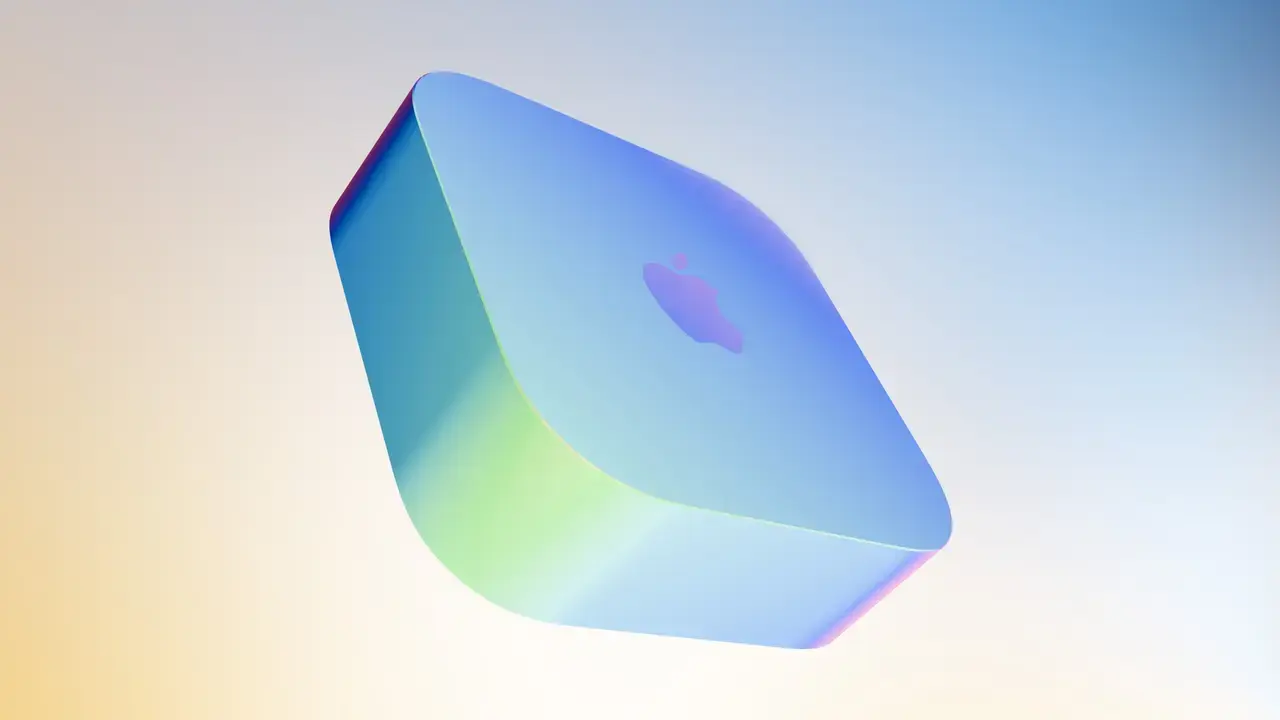
Apple is reportedly preparing a significant hardware refresh for the Apple TV 4K, aiming to revitalize its home entertainment lineup with deep artificial intelligence integration. According to industry reports, the tech giant is targeting a September 2026 release date, with the new device shipping alongside the upcoming iOS 27 operating system. This long-awaited update seeks to transform the streaming experience by utilizing advanced Siri capabilities powered by Apple Intelligence. By aligning the hardware launch with sophisticated software, Apple intends to deliver a more seamless and intelligent user interface that addresses the evolving demands of modern smart home environments.
- The upcoming Apple TV 4K model will feature system-wide integration of Apple Intelligence via enhanced Siri capabilities.
- The device will utilize a high-performance 3-nanometer processor, likely the A17 Pro chip or a newer successor.
- Hardware specifications will include support for Wi-Fi 7 and Bluetooth 6 to ensure superior connectivity standards.
- The product remains focused on maintaining its current market pricing despite the significant internal technological upgrades.
Design Aesthetics Remain Consistent With Previous Models
Apple has decided to maintain the established physical design language for the next-generation Apple TV 4K. Consumers should expect the familiar squircle form factor and the signature black plastic chassis that has defined the brand’s streaming hardware for years. By choosing not to overhaul the exterior, the company demonstrates that it is prioritizing internal performance metrics and advanced computational power over radical aesthetic changes. This strategy ensures the device continues to integrate unobtrusively into existing home theater setups.
Processing Power Undergoes a Major Technical Upgrade
The upcoming Apple TV 4K represents the most significant performance leap in the history of the product line.
At the heart of the new unit, Apple is expected to implement the A17 Pro chip, which is manufactured using a 3-nanometer process. This architecture provides the necessary overhead for complex artificial intelligence tasks while offering massive improvements in power efficiency. Furthermore, the inclusion of hardware-accelerated ray tracing will fundamentally change gaming capabilities on the platform. The addition of native AV1 decoding also ensures that users can stream high-bitrate 4K content with greater reliability and less bandwidth consumption than previous models.
Artificial Intelligence Becomes Central to Siri
The reliance on iOS 27 for the new Apple TV 4K highlights that artificial intelligence is the cornerstone of Apple’s strategy for this device. Insights from industry analysts suggest that the next-generation Siri experience requires substantial processing power, which explains the prolonged development cycle. This move is intended to make the voice assistant more proactive and context-aware, allowing it to better manage entertainment libraries and smart home automations with minimal user input.
Connectivity Standards Receive Modern Enhancements
To support the next generation of data-heavy media, Apple is integrating its N1 networking chip, which enables full Wi-Fi 7 compatibility. By leveraging the 6GHz spectrum, the device will minimize latency and maximize throughput for ultra-high-definition streaming. Additionally, the introduction of Bluetooth 6 will improve the range and responsiveness of peripherals, such as gaming controllers and remote devices. The continued support for the Thread protocol confirms that the device will serve as a robust hub for Matter-certified smart home accessories.
Pricing Strategy Remains Stable for Future Consumers
Despite market fluctuations and rising production costs, Apple is unlikely to alter its pricing strategy for the 2026 Apple TV 4K. The device is expected to remain in its traditional price bracket, reflecting its position as a premium entertainment hub. While some users may hope for a lower entry price, the inclusion of advanced silicon and AI hardware makes a significant price reduction commercially challenging for the company.
How do you anticipate the integration of Apple Intelligence will change your daily home cinema experience, and do you believe these hardware upgrades are enough to justify an upgrade in 2026? We invite you to share your thoughts and predictions in the comment section below.
Your comment has been submitted,
it will be published after approval.