
Apple Unveils A20 Pro Chip Featuring 2nm Architecture

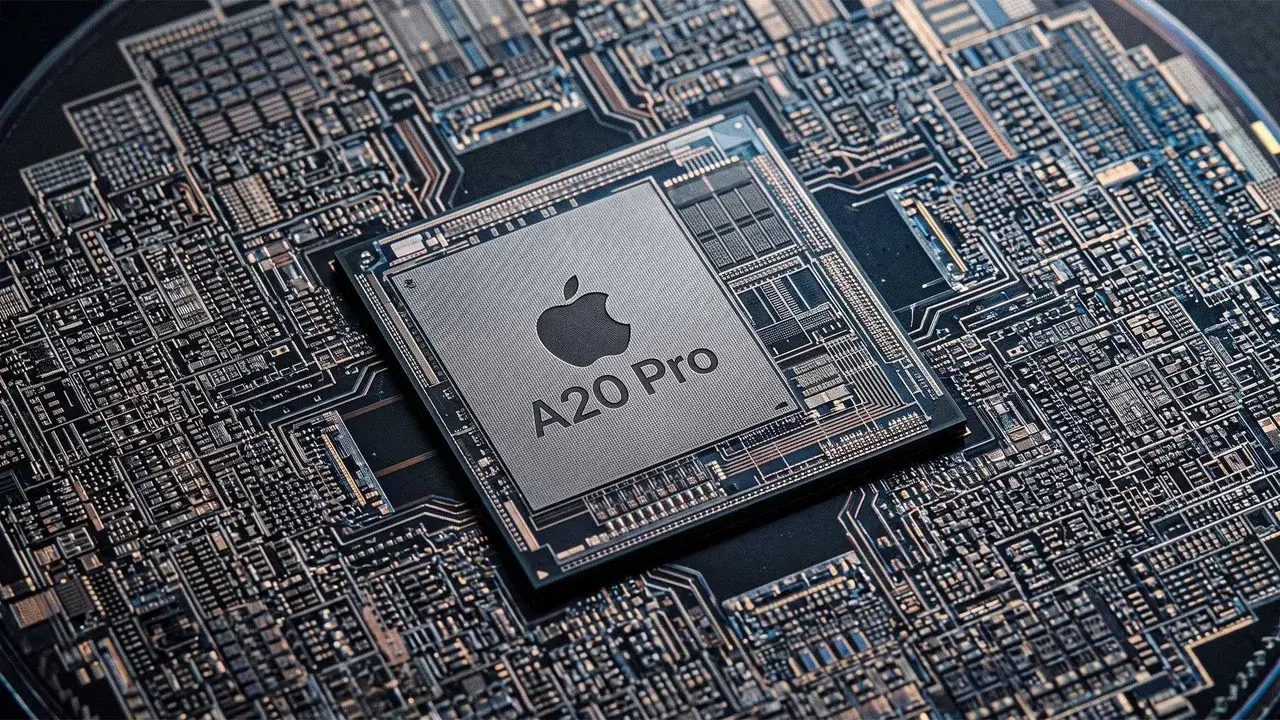
Apple has officially introduced its groundbreaking A20 Pro processor, a technological milestone manufactured using an advanced 2nm production process. Unveiled during a dedicated event, this high-performance silicon is set to power the upcoming iPhone 18 Pro and iPhone 18 Pro Max models, marking a significant leap in mobile computing capabilities. By integrating this new architecture, Apple aims to redefine industry standards for both raw processing speed and energy efficiency. The company describes the A20 Pro as a superior hardware solution designed to handle intensive computational tasks, ensuring that the new flagship devices offer unparalleled performance in the competitive smartphone market.
- The A20 Pro utilizes a 2nm manufacturing process to enhance overall computational efficiency.
- A redesigned 7-core GPU provides a 40 percent increase in graphics performance compared to previous generations.
- An upgraded 32-core Neural Engine doubles the computational power for local AI and large language model execution.
- New thermal management technology connects the silicon directly to a vapor chamber to sustain peak performance.
Technical Specifications Enhance Processing Power
The A20 Pro processor features a sophisticated six-core CPU design that prioritizes both speed and endurance. Apple has introduced two new high-performance cores, which the company claims deliver a 20 percent increase in speed compared to its predecessors. These “desktop-class” cores are engineered to be the fastest processing units ever integrated into a smartphone.  Complementing these are four efficiency cores, which are optimized to preserve battery life during routine tasks.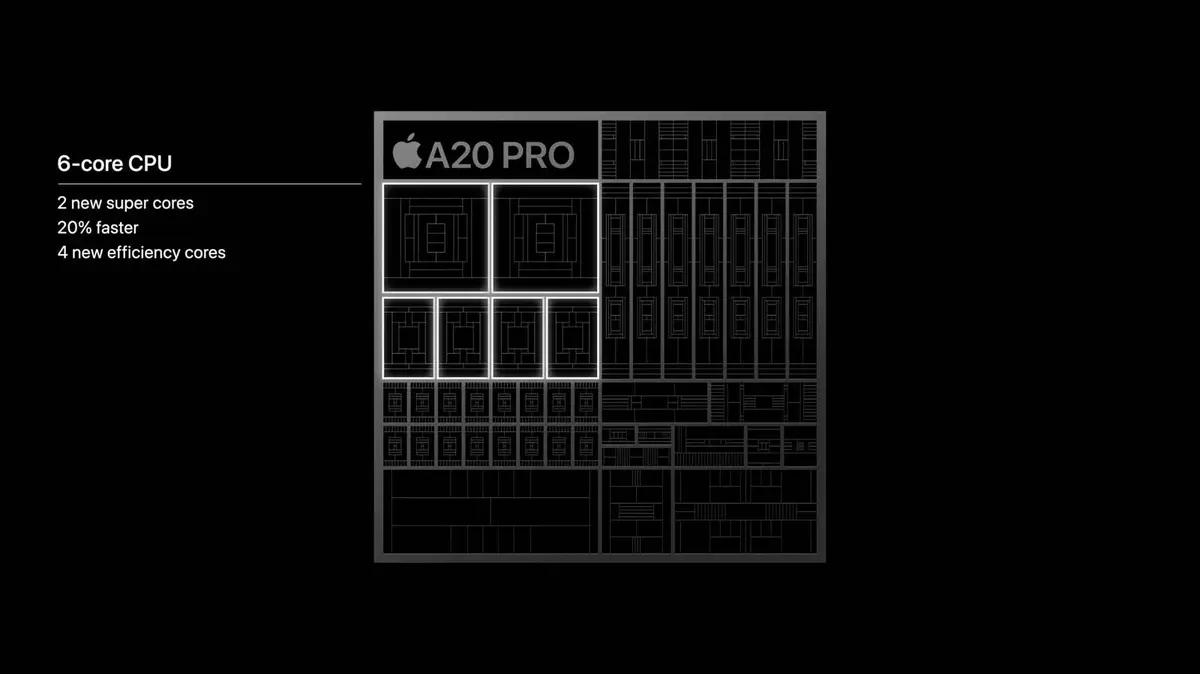
Graphics performance has also seen a dramatic overhaul. The newly designed 7-core GPU offers a massive 40 percent performance boost, supported by improved memory bandwidth. This architecture incorporates advanced neural accelerators that double the FP8 performance, enabling the device to run complex large language models locally on the handset. Apple emphasizes that this design prevents data bottlenecks, making the A20 Pro the definitive choice for professionals requiring high-speed data processing. 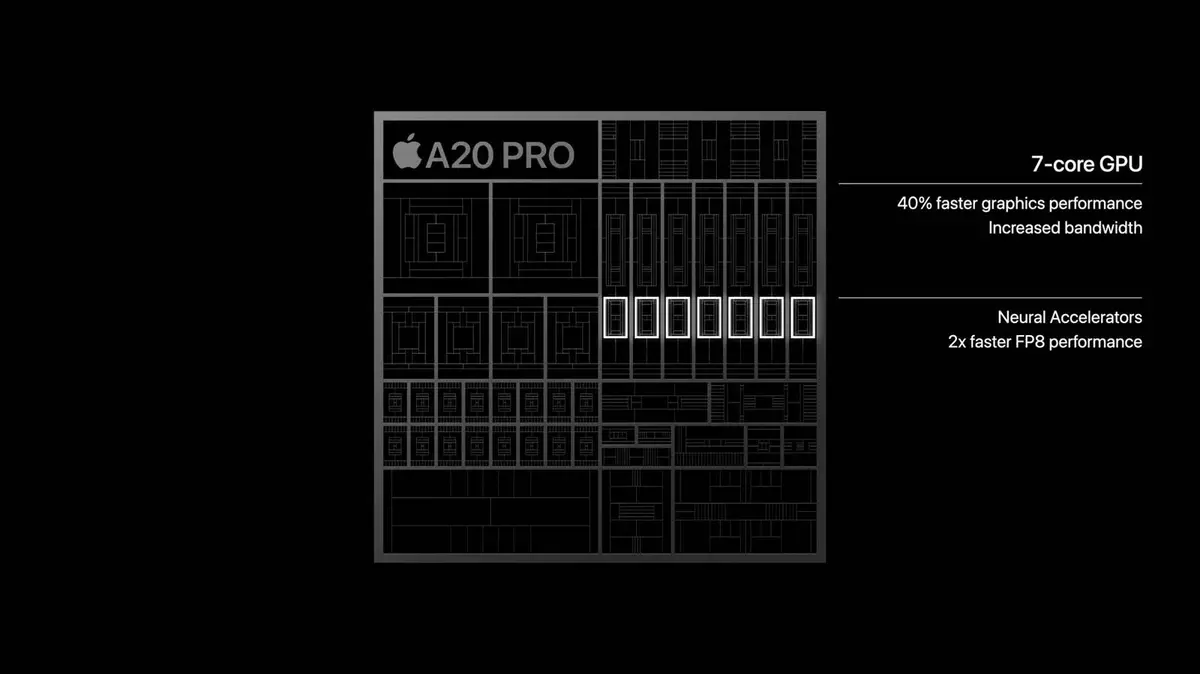
Advanced Artificial Intelligence Drives Performance
Beyond traditional computing, the A20 Pro introduces a significantly enhanced Neural Engine. By increasing the total core count to 32, Apple has effectively doubled the computational capacity for artificial intelligence tasks. This unit supports 8-bit floating-point mathematics, allowing for more efficient operation across various machine learning applications. 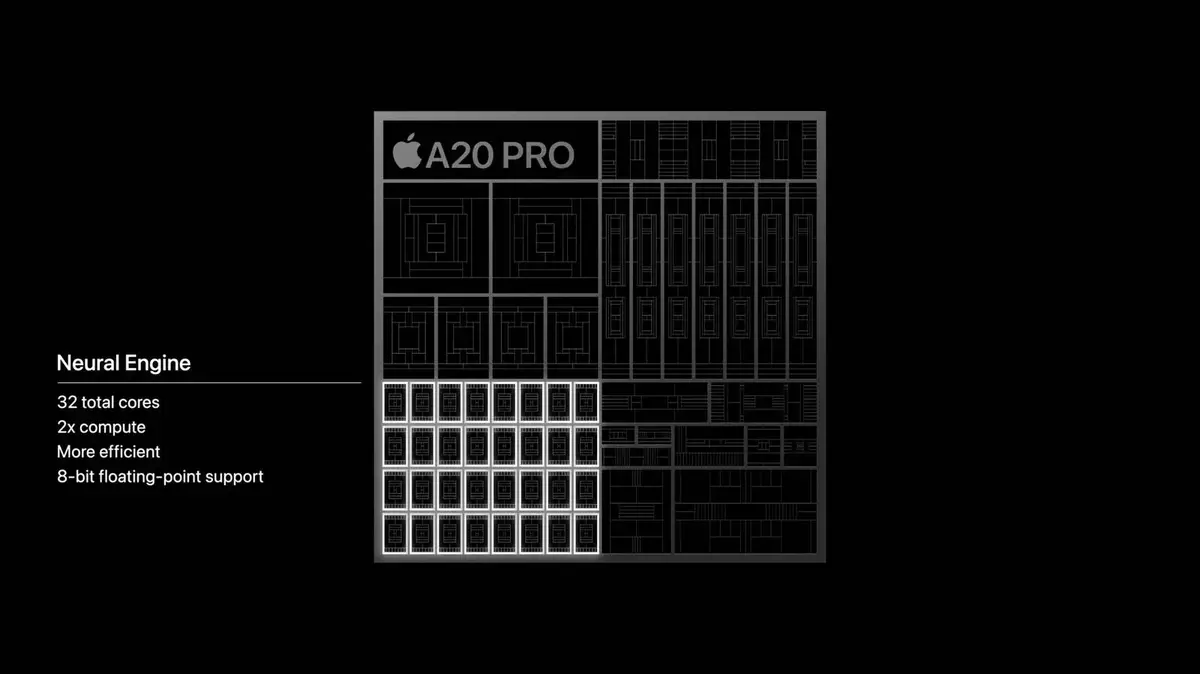 The increased memory interface width further ensures that data-heavy AI operations remain fluid and responsive, setting a new benchmark for on-device intelligence.
Thermal Management Systems Improve Sustainability
To ensure that the raw power of the A20 Pro is maintained during heavy workloads, Apple has completely re-engineered its thermal management architecture. The company adopted design principles from its M-series chips, connecting the silicon and memory directly to an integrated vapor chamber. 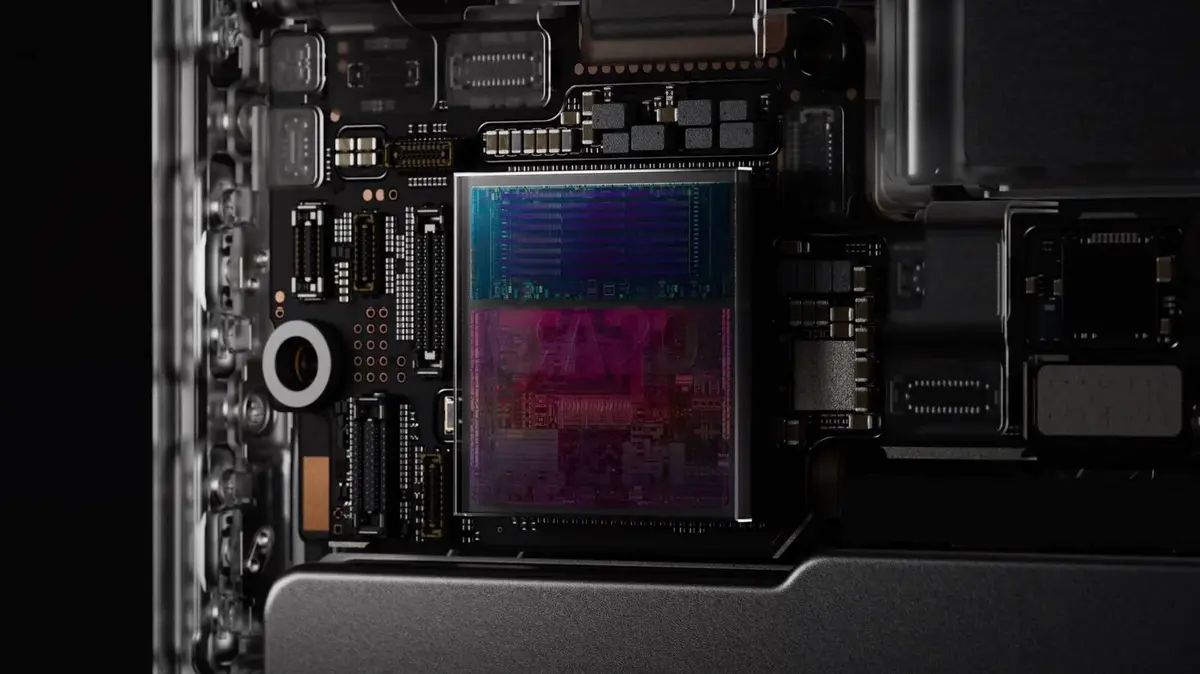 This physical integration allows for superior heat dissipation, preventing the processor from throttling during intense gaming sessions or professional-grade video editing. By keeping the device cool, the A20 Pro can operate at high frequencies for extended periods. Consequently, the iPhone 18 Pro delivers 40 percent more sustainable performance than the iPhone 17 Pro, and double the performance of the iPhone 16 Pro, marking a generational shift in sustained mobile computing power.
We are curious to hear your thoughts on these technical advancements; do you believe the A20 Pro’s 2nm architecture will truly change how we use mobile AI, or are you more excited about the gains in gaming performance? Share your opinions in the comments section below.
Your comment has been submitted,
it will be published after approval.