
Apple Watch Users Report Skin Irritation Issues with New Models


Owners of the newly released Apple Watch Series 12 and Ultra 4 have begun reporting cases of Apple Watch skin irritation occurring after prolonged wear. According to various user reports surfacing on platforms like Reddit and MacRumors, many customers are experiencing localized redness and a persistent burning sensation directly beneath the sensor array. These health concerns have emerged shortly after the devices hit the market, sparking a broader conversation about potential sensitivities linked to the latest hardware specifications. While the company maintains that its materials are rigorously tested, this recurring issue has prompted many users to seek solutions to improve their comfort and daily usage experience.
- Users report physical discomfort including redness and burning sensations under the watch sensor area.
- New hardware features like increased heart rate monitoring frequencies are being investigated as potential contributors to the issue.
- Apple recommends regular cleaning of the device and proper strap adjustment to mitigate skin sensitivity risks.
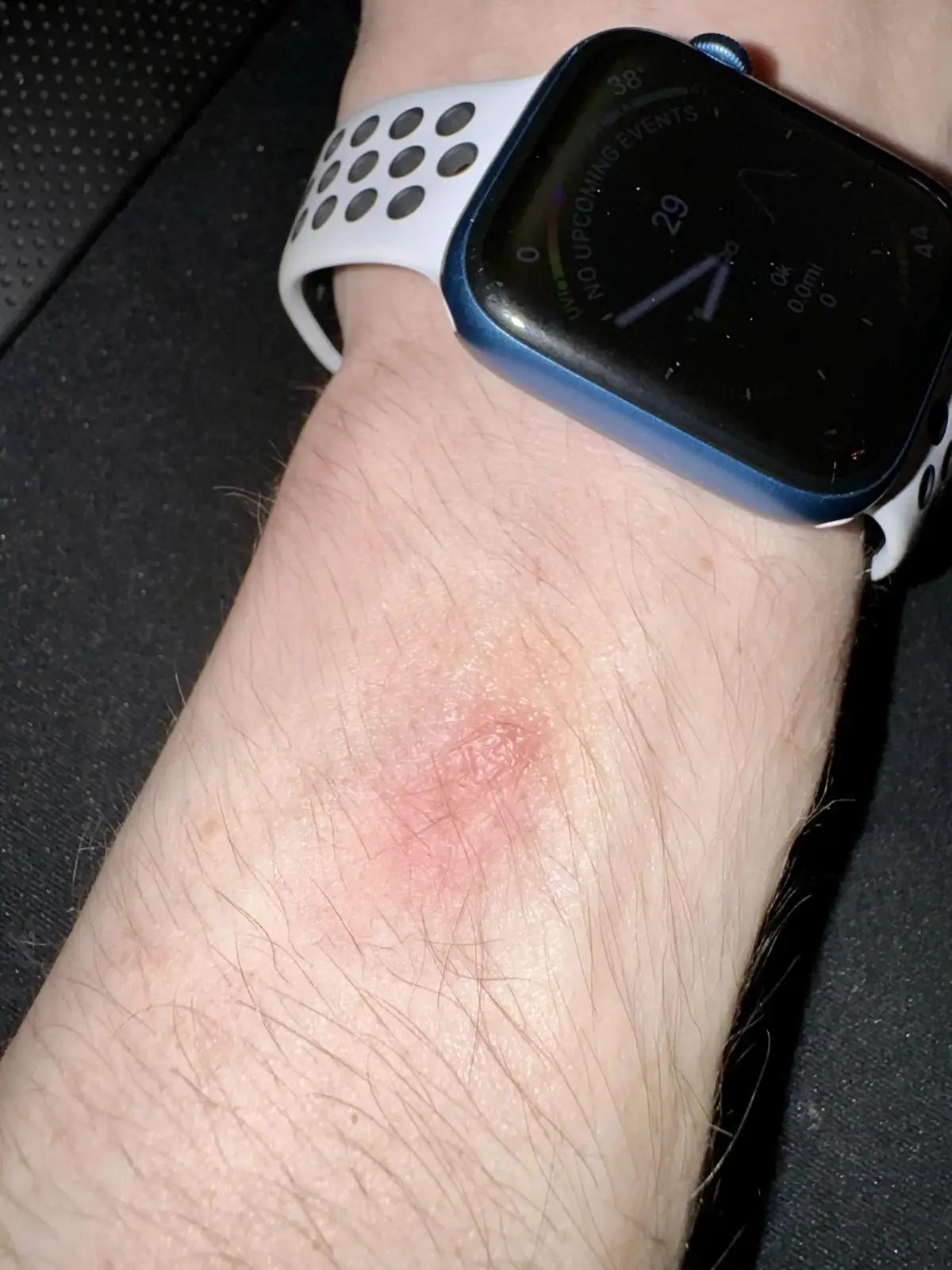
Hardware Upgrades May Influence Skin Sensitivity
The latest iteration of Apple’s wearable technology, specifically the Series 12 and Ultra 4, introduces several technical advancements that could potentially impact skin interaction. These models now feature a significantly higher frequency for heart rate data collection, sampling every five seconds. Some users and technology observers hypothesize that this increased activity, coupled with more powerful green LED lights, larger EKG electrodes, and a denser arrangement of photodiodes, might contribute to the reported irritation. While there is no official confirmation that these specific hardware changes directly cause skin reactions, the proximity of these sensors to the wrist remains a focal point for ongoing discussions among the user community.
Company Guidelines Address Potential Irritants
In response to growing feedback, Apple has provided official guidance on how to manage and prevent skin reactions. The company notes that common culprits for such irritation often include wearing the watch too tightly or allowing external substances like sweat, soap, sunscreen, or lotions to accumulate between the skin and the device. Although the watches contain trace amounts of nickel, the manufacturer asserts that these levels remain well below the strict safety limits established by the European Union. Furthermore, while the adhesives used in the assembly process contain minute traces of acrylates and methacrylates, the design is engineered to prevent these chemicals from making direct contact with the user’s skin.
Proper Maintenance Can Reduce Irritation Risks
Maintaining a clean device is essential for users who experience discomfort. Apple strongly advises that owners keep the watch, the bands, and their own skin dry and clean, particularly following workouts or exposure to moisture and skincare products. For many individuals, simply adopting a more consistent cleaning routine and ensuring the band is adjusted to a comfortable fit has successfully resolved the reported symptoms. However, for those who continue to face persistent issues, the company advises against further use and encourages consultation with a medical professional to determine if a specific, individual sensitivity is present. Some users have opted to return their devices entirely when these measures failed to provide relief. As wearable technology continues to integrate more deeply into our daily health monitoring routines, these incidents serve as a reminder that proper care and hygiene are just as important as the advanced features provided by the hardware.
Have you experienced any skin sensitivity or redness while wearing your new Apple Watch, or have you found a specific cleaning routine that keeps the issue at bay? Share your experiences and tips with our community in the comments section below.
Your comment has been submitted,
it will be published after approval.