

Apple celebrated the iPhone’s 10th anniversary with the iPhone X, introduced in 2017. The model introduced industry-leading features like Face ID, a notched design, and minimized bezels. This design expanded the screen area more than ever before. Now, the iPhone’s 20th anniversary is approaching. Rumors suggest Apple plans to take the design it launched with the iPhone X to a new level in 2027. Although the launch of this special model is only two years away, it seems difficult for Apple to conceal major changes, and significant rumors are already circulating in tech circles.
iPhone 19 May Be Skipped: What Will Apple Change with the iPhone 20 in 2027?
The most striking expectation is Apple’s long-held goal of a “continuous piece of glass” iPhone design. Rumors suggest this model will have no bezels or bezels. The screen is planned to curve downward on all four edges of the device, completely enclosing the bezel. Such a design could make the phone more fragile and limit the types of cases it can be used in. However, Apple has already begun improving durability with technologies like Ceramic Shield 2, which it uses on current models. Samsung has also used curved displays in the past but never offered a completely bezel-less design.
For an all-glass design to be implemented, the Dynamic Island and the front camera hole would need to be eliminated. Rumors are divided on this issue. Display analyst Ross Young states that under-display Face ID technology will not be ready for the 2027 iPhone, while other sources believe it is possible. If Apple can’t accommodate all the components under the display, we could see an interim solution with under-display Face ID and a small hole for the front camera. Another innovation on the display side will be brighter and thinner OLED panels. Apple is rumored to be using Samsung OLED displays with COE (Color Filter on Encapsulation) technology.
COE technology thins the display layer by removing the polarizing film on the OLED panel. This allows more light to pass through, increasing brightness and reducing power consumption. While the lack of polarizing film makes it more difficult to combat reflections, Apple is expected to further improve the anti-reflective coating used on current iPhones. A “crater-shaped” light distribution layer is also reportedly being considered to ensure even brightness on curved edges.
On the hardware front, Apple’s transition to its own modem chip is a key focus. The company aims to use its own modems in the iPhone by 2027 and surpass Qualcomm’s chips in performance. Apple’s modems are expected to be much more efficient thanks to hardware integration, offer faster speeds, and improve AI functions, resulting in a significant increase in battery life. On the processor side, the second-generation A21 chip, featuring a 2-nanometer architecture, is likely to be used.
Significant improvements are also expected in the camera system. Rumors suggest a dedicated HDR sensor will offer better dynamic range. This sensor is claimed to be capable of capturing up to 20 stops of dynamic range in a single frame, bringing it closer to the capabilities of high-end cinema cameras. This development is expected to be combined with other innovations, such as the variable lens aperture discussed for the iPhone 18 models.
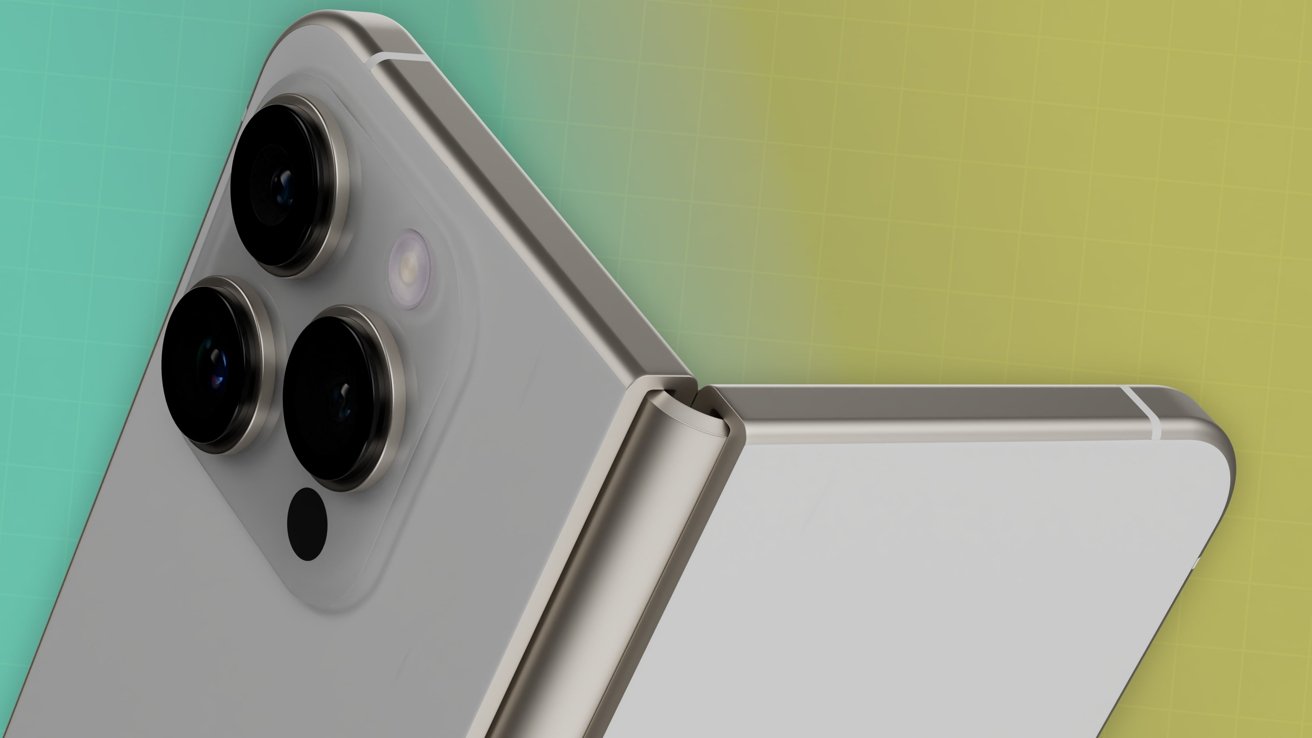
Meanwhile, there’s also an interesting expectation regarding the naming. It’s thought that Apple will skip this number in favor of the iPhone 19 in 2027. Just as the iPhone 9 was skipped in 2017, there may be a transition from the iPhone 18 to the iPhone 20 in 2027. There’s also speculation that Apple’s first foldable iPhone, originally planned for 2026, could be delayed to 2027 to coincide with its 20th anniversary.
The first iPhone was announced in January 2007 and released in June 2007. While its 20th anniversary is technically June 29, 2027, Apple is not expected to change its traditional September launch schedule. The 20th-anniversary iPhone is expected to be unveiled in September, just like the iPhone X. Whether Apple will make the same big technological leap as it did in its 10th anniversary year remains to be seen. So, what features do you expect from the 20th-anniversary iPhone?