
Apple’s Foldable iPhone Ultra Development and Pricing Details Revealed

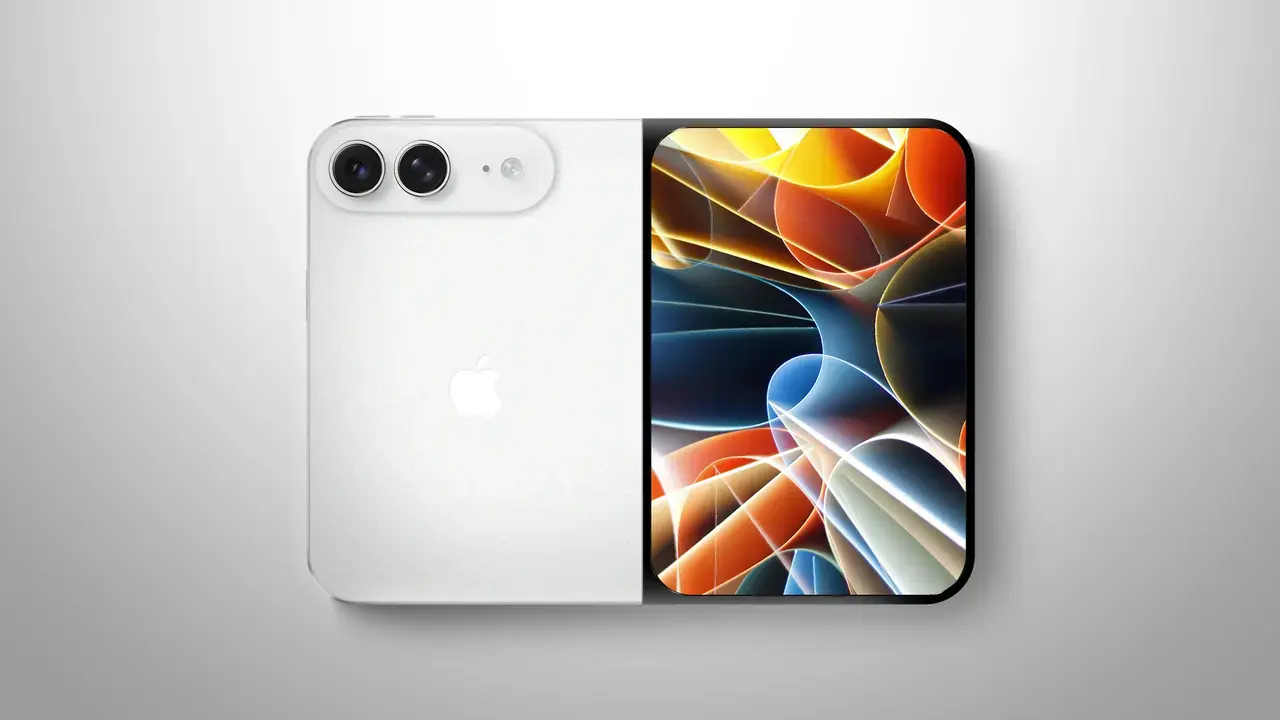
A comprehensive report by Bloomberg’s Mark Gurman has unveiled significant details regarding the development and pricing of the highly anticipated foldable iPhone Ultra. Driven by the strategic vision of former Apple CEO Tim Cook, the project marks one of the company’s most ambitious entries into the foldable smartphone market. Initially projected with a base price of $1,999, reports suggest the foldable iPhone may launch starting at $2,199 due to rising production costs and global supply chain constraints. With premium storage configurations, the total cost for the device could potentially reach the $3,000 threshold as Apple seeks to capitalize on consumer appetite for ultra-premium technology.
- The entry-level price for the foldable iPhone is currently projected to start at $2,199.
- Tim Cook accelerated the development of this project following his official visits to Asia.
- Engineers selected titanium and aluminum alloys to enhance the durability of the hinge system.
- The device features a 7.8-inch internal display alongside a 5.5-inch external screen.
Tim Cook Drives the Project Development Forward
The origins of the foldable iPhone project date back to a 2020 visit by Tim Cook to Asia, where he observed the rapid proliferation of foldable devices among competitors. Recognizing the potential of this form factor, Cook mandated that Apple secure a firm position in this emerging market. Under his direct oversight, the hardware engineering team pivoted away from standard smartphone designs to prioritize a more innovative structural approach. While early prototypes explored an iPad mini concept, the current development path focuses on a refined smartphone form factor designed for mainstream adoption.
Engineering Challenges Are Being Meticulously Addressed
Since the project’s inception, Apple’s hardware team has prioritized four critical engineering pillars: minimizing the visible crease on the folding display, maximizing hinge longevity, perfecting flexible glass technology, and integrating under-display camera systems. Leadership of this complex initiative passed from Dan Riccio to John Ternus, who has collaborated closely with Corning to develop proprietary glass solutions. Although engineers acknowledge that the durability may differ from traditional static iPhones, they maintain that the software integration and overall design quality will set a new industry benchmark.
Device Design Offers Unique User Experiences
Current reports indicate that Apple plans to introduce a design that folds to the size of a passport, expanding into a form factor reminiscent of a Magic Trackpad. This distinct design approach is intended to differentiate the device from existing market offerings. While internal projections suggest that battery life and camera performance may trail behind the standard flagship iPhone models, the company expects high demand upon release. John Ternus’s continued commitment to this project underscores Apple’s strategic dedication to establishing a long-term presence in the foldable category.
How do you feel about Apple entering the foldable smartphone market with such a high price point? Would you view a $3,000 device as a technological necessity or an unnecessary luxury? We invite you to share your thoughts in the comments section below.
Your comment has been submitted,
it will be published after approval.