
Since the iPhone 4S in 2011, Apple has typically introduced its main iPhone lineup in September or October. Android smartphone manufacturers have also gradually moved their flagship launches closer to Apple’s fall schedule. Just as the industry has settled into this rhythm, a new report from Bloomberg suggests that Apple will operate at a completely different pace starting in 2026. Allegedly, with the iPhone 18 series, Apple will split its launch schedule into fall and spring. This could reshape release dates for the entire smartphone industry.
The Entire Industry Will Be Reshaped: The iPhone 18 Launch Schedule Is Being Split in Two
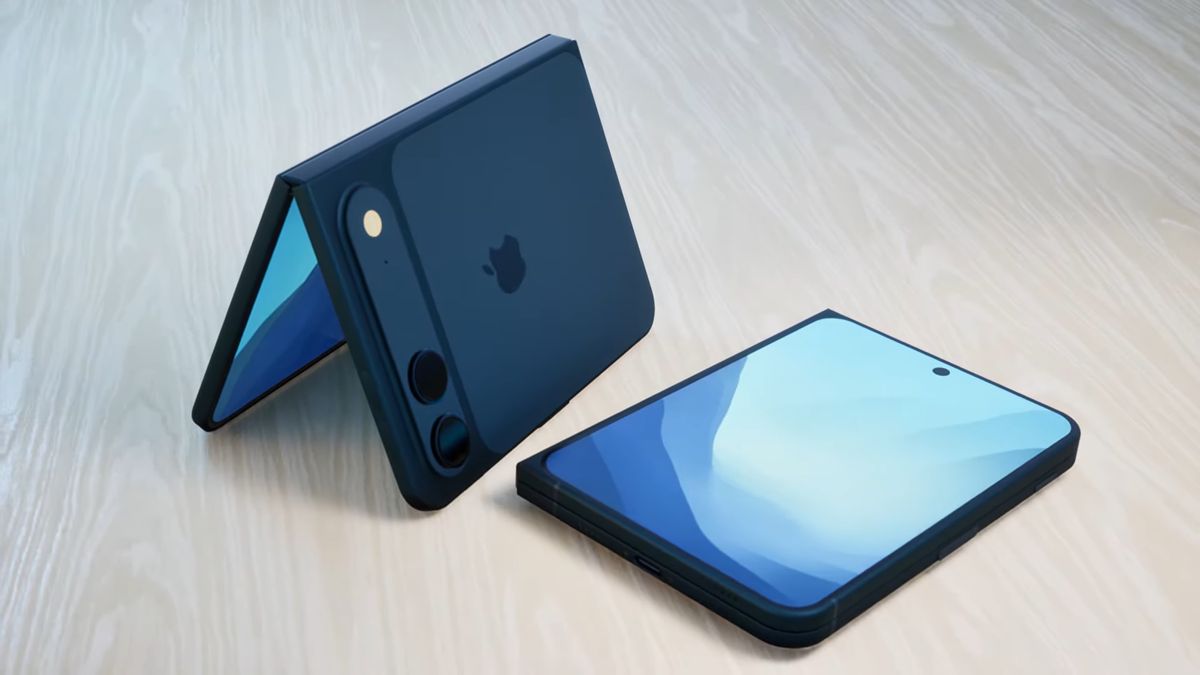
According to reports, Apple will unveil the iPhone 18 Pro, iPhone 18 Pro Max, and its first foldable phone, the iPhone Fold, in fall 2026 (probably in September). It’s notable that the standard iPhone 18 model will not be included in this launch. Rumors suggest that standard models like the iPhone 18 and iPhone 18e will be released six months later, in the spring of 2027. With this new schedule, Apple is expected to introduce five to six different models per year and maintain this pattern in the coming years.
There are several logical reasons behind Apple’s shift in strategy. One of the primary goals is to generate more consistent revenue throughout the year, rather than focusing its revenue stream solely on the year-end holiday season. Furthermore, splitting the launches will reduce the intense pressure on employees, manufacturing partners, and the supply chain. Another key benefit is that it will prevent cannibalization of marketing efforts for different models, giving each model its own opportunity to shine.
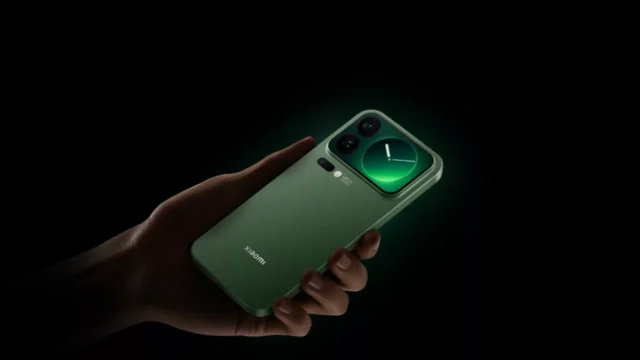
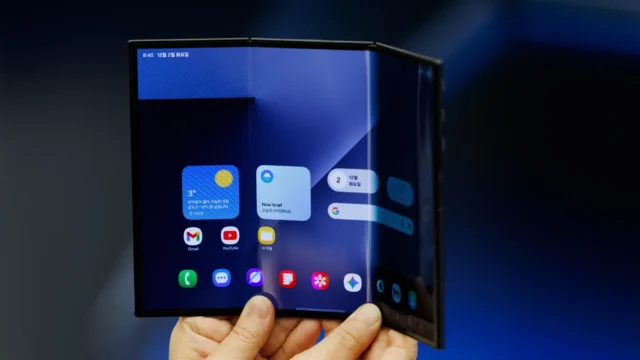
Apple’s new dual-season launch schedule could also lead to a significant division in the release dates of Android flagships. Industry forecasts predict that Android manufacturers will also follow suit. According to predictions, premium Android models (Pro and Ultra series) will shift to the fall months to compete with Apple’s Pro models. Foldable phones are also expected to be unveiled “coincidentally” around the iPhone Fold’s release date.
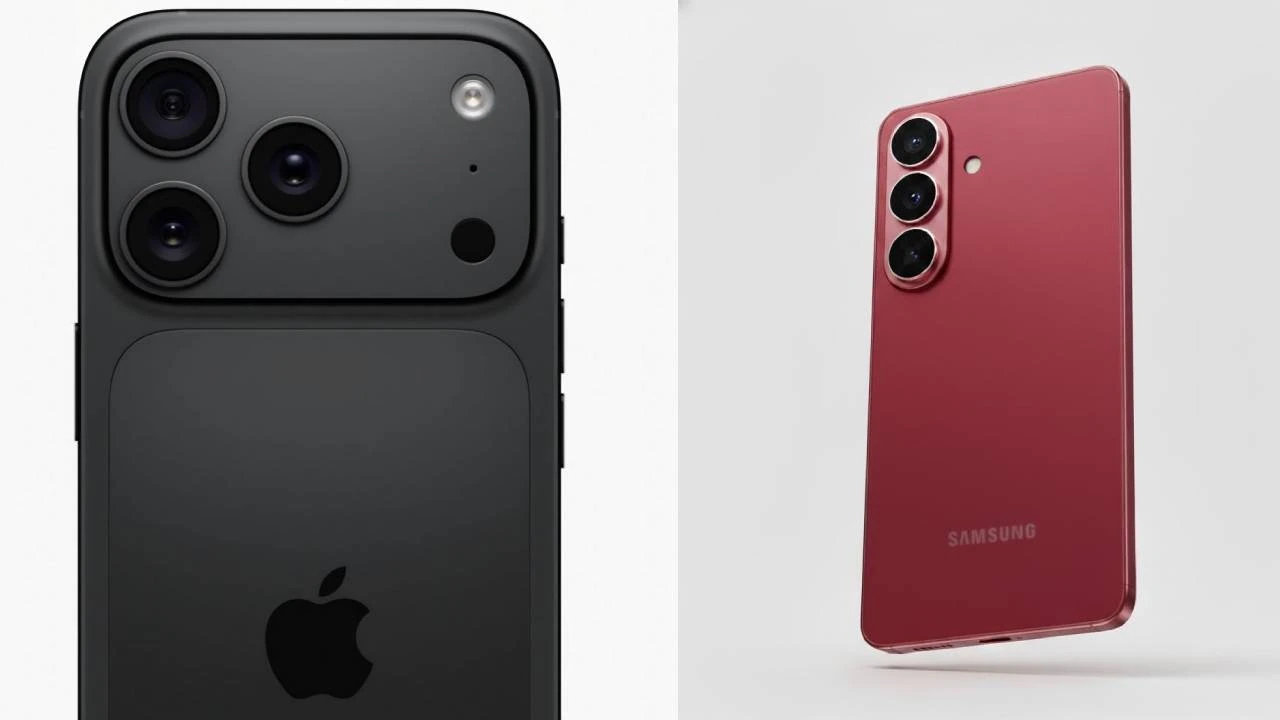
Conversely, the launches of more affordable flagships, mid-range, and entry-level Android phones may be shifted to the spring months (February, March, and April). These models will directly compete with Apple’s standard iPhone and iPhone e models, which will be introduced in the spring. This transition is expected to take several years and be gradual. For example, it’s rumored that Samsung may push the Galaxy S Ultra and Z Fold to the fall, and the standard Galaxy S and FE models to the spring. Similarly, Google is expected to unveil the Pixel Pro in the fall, and the standard Pixel and A series in the spring.
The Bloomberg report also clarified rumors about the iPhone Air. The iPhone Air is not a model on an annual refresh cycle and was not originally scheduled for 2026. It’s reported that this model is primarily used for technological experiments, such as the transition to a 2nm chip. It’s even been suggested that the iPhone Air is a preparatory step for Apple’s first foldable phone (the iPhone Fold). It’s reportedly preparing its supply chain for materials, miniaturization techniques, and battery optimizations.
If these reports prove true, 2026 looks set to be a completely different year for the smartphone market. This move by Apple could fundamentally alter competition and product release cycles across the industry. So, what are your thoughts on Apple’s plan to split its launch schedule in half?