
ASELSAN KORKUT System Provides Cost-Effective Defense in Nine Countries

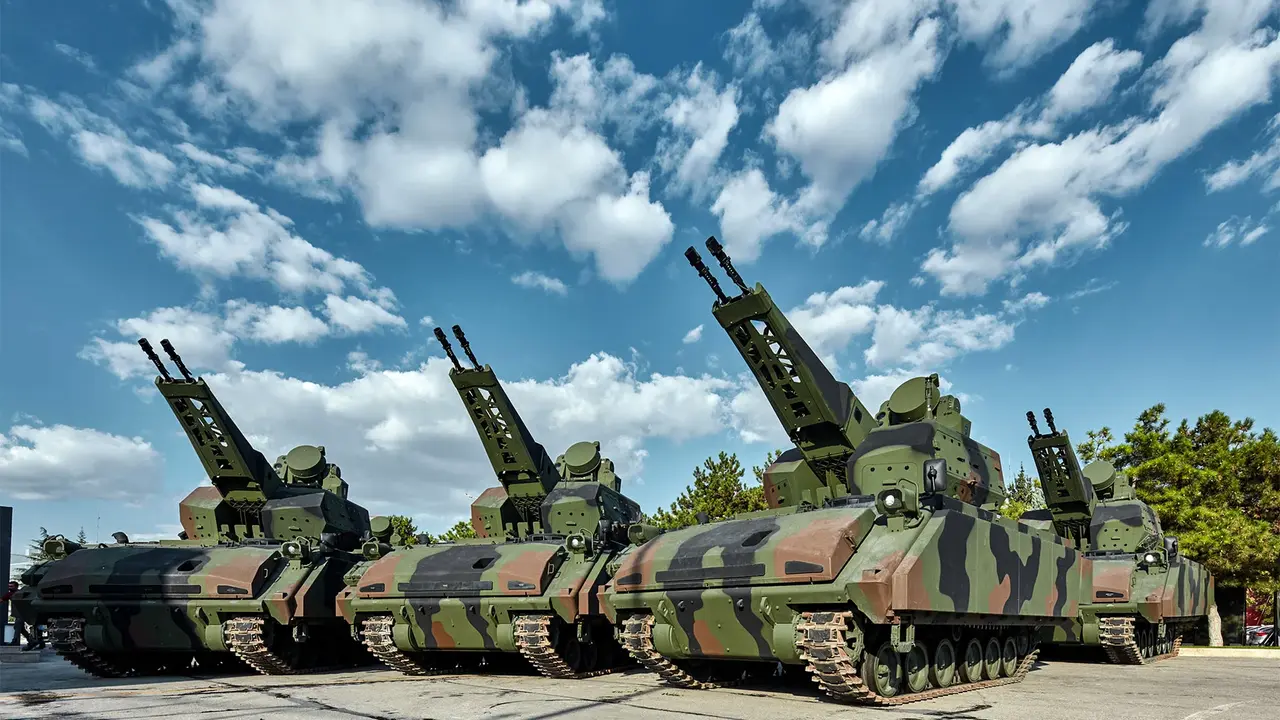
As low-cost kamikaze unmanned aerial vehicles (UAVs) increasingly dominate modern battlefields, nations are pivoting toward more economical air defense solutions to counter the threat. ASELSAN’s KORKUT air defense system has emerged as a key technology in this shift, utilizing 35-millimeter programmable ammunition to neutralize targets at a fraction of the cost of traditional missiles. According to reports from October 2026, ASELSAN CEO Ahmet Akyol confirmed that the KORKUT system is currently deployed in nine countries, with operational costs to neutralize a single kamikaze drone estimated to remain under 10,000 dollars.
- The KORKUT system utilizes 35-millimeter programmable air-burst ammunition to maintain cost-efficiency on the battlefield.
- ASELSAN confirmed that its air defense technology is actively operated by nine different nations globally.
- International sales have increased significantly, rising from 8 percent of ASELSAN’s total revenue in 2023 to approximately 25 percent.
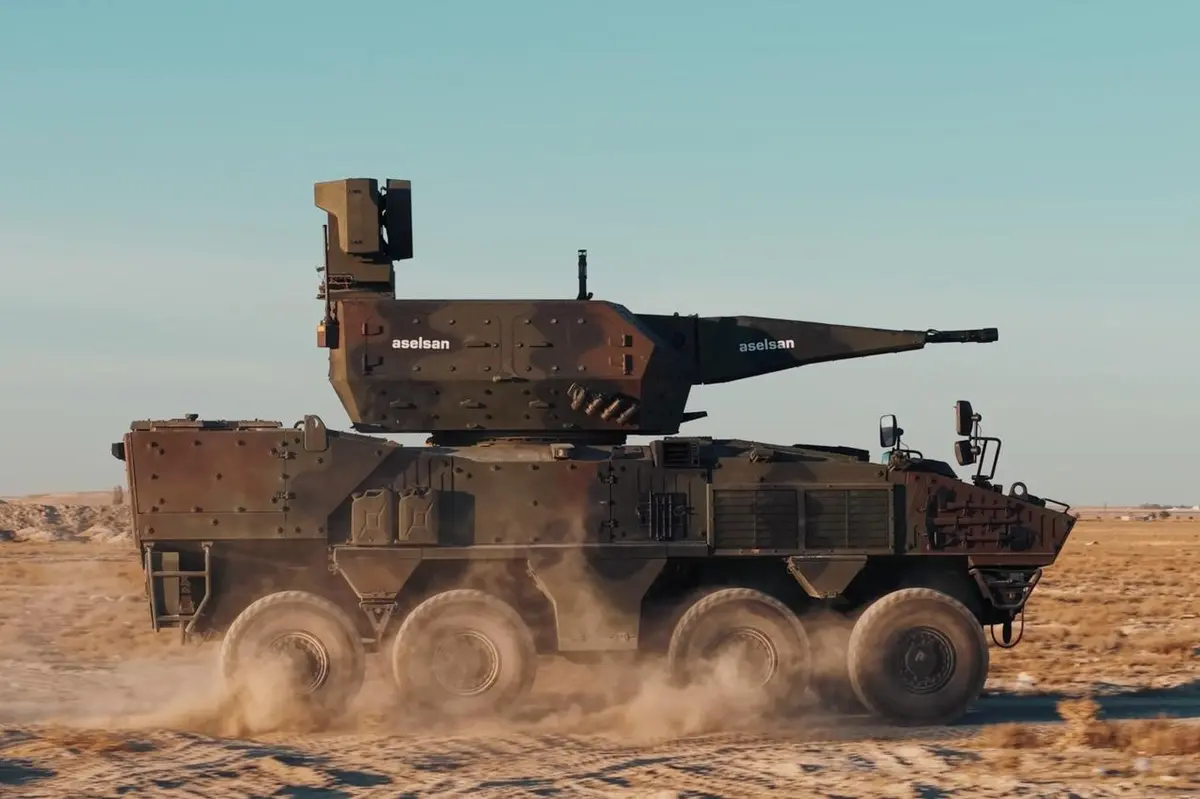
Cost Advantages Drive Adoption of the System
The primary challenge in modern air defense involves the extreme price disparity between offensive drones and the interceptors designed to stop them. Relying on expensive anti-air missiles to destroy cheap, expendable kamikaze UAVs places unsustainable pressure on defense budgets and stockpiles. KORKUT addresses this by deploying programmable ammunition that detonates near the target to create a cloud of debris. With each round costing approximately 1,000 dollars, the system provides a sustainable alternative to traditional missile-based defense architectures.
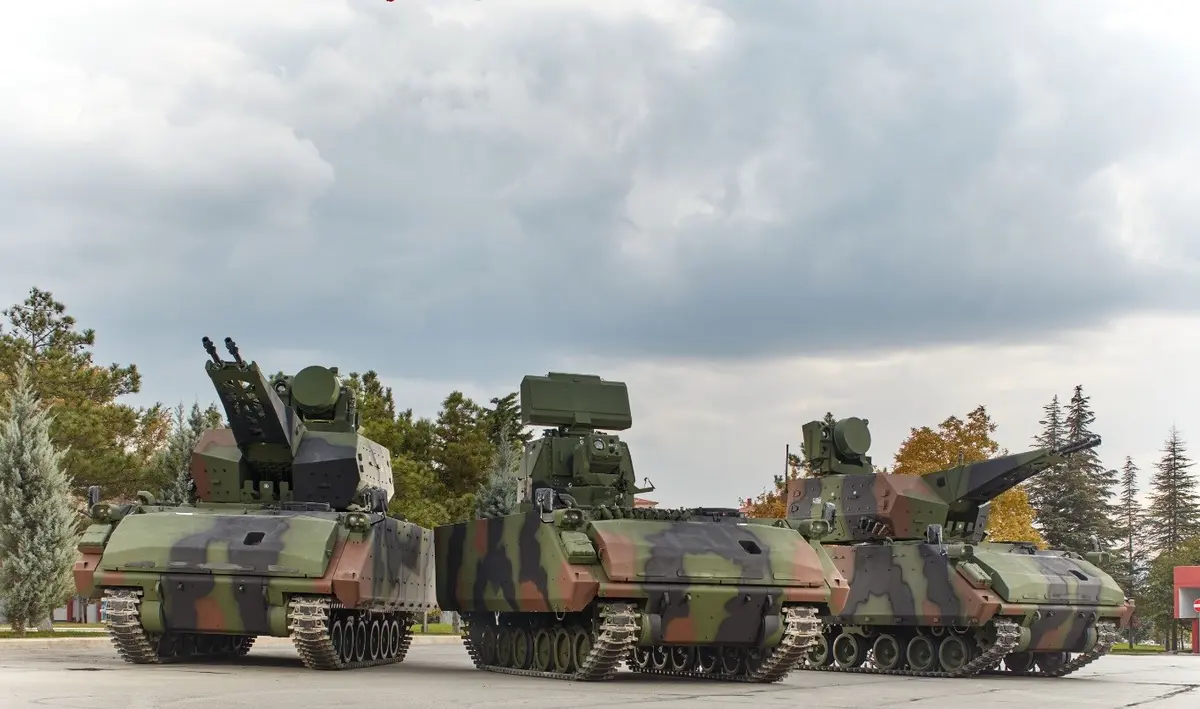
Deployment Reaches Nine Different Nations
ASELSAN has successfully expanded the footprint of its air defense technology, with current operations spanning across nine countries. Among these users, the Ukrainian Air Force has confirmed the integration of KORKUT units into its defensive arsenal. While specific operational details and the total number of units deployed remain undisclosed for security reasons, the system’s presence in active conflict zones underscores its combat effectiveness. This widespread adoption reflects the growing demand for versatile short-range protection in diverse geopolitical landscapes.
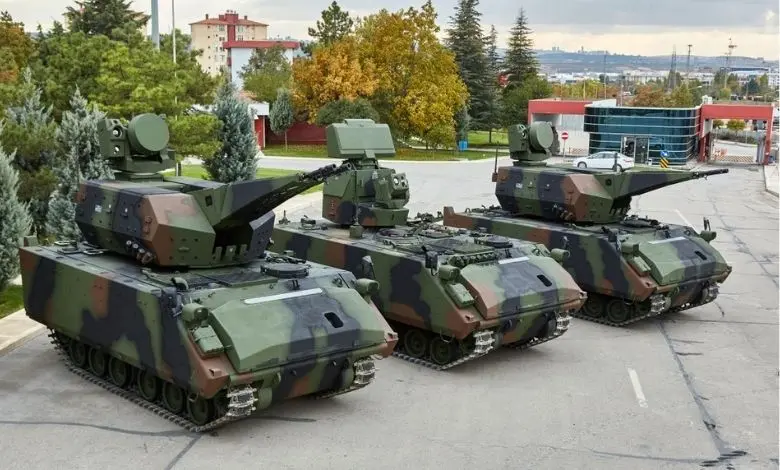
Global Market Share Continues to Grow
The success of the KORKUT system is a cornerstone of ASELSAN’s broader international expansion strategy. As the company diversifies its exports, ranging from radar systems to electronic warfare tools, the financial impact has become increasingly apparent. Recent data indicates that international revenue has grown to 25 percent of the company’s total income, with a long-term goal of reaching 50 percent by 2030. With a massive order backlog nearing 30 billion dollars, ASELSAN continues to solidify its status as a leading provider of integrated defense solutions.
Integration Enhances the Steel Dome Architecture
Within the framework of Turkey’s integrated air defense initiative, known as the Steel Dome, KORKUT serves as a critical layer for short-range protection. By operating alongside long-range missile systems, sensors, and command-control infrastructure, it ensures a tiered defense capability. This multi-layered approach allows commanders to match the most cost-effective weapon to the specific threat profile, thereby optimizing resources. As drone warfare evolves, the strategic importance of systems like KORKUT, which offer a balance between performance and economic viability, will likely continue to rise in the coming years.
How do you think the integration of cost-effective systems like KORKUT will reshape the future of global air defense strategies? Share your thoughts and insights in the comments section below.
Your comment has been submitted,
it will be published after approval.