
ASELSAN Secures 195 Million Dollar Radar System Contract

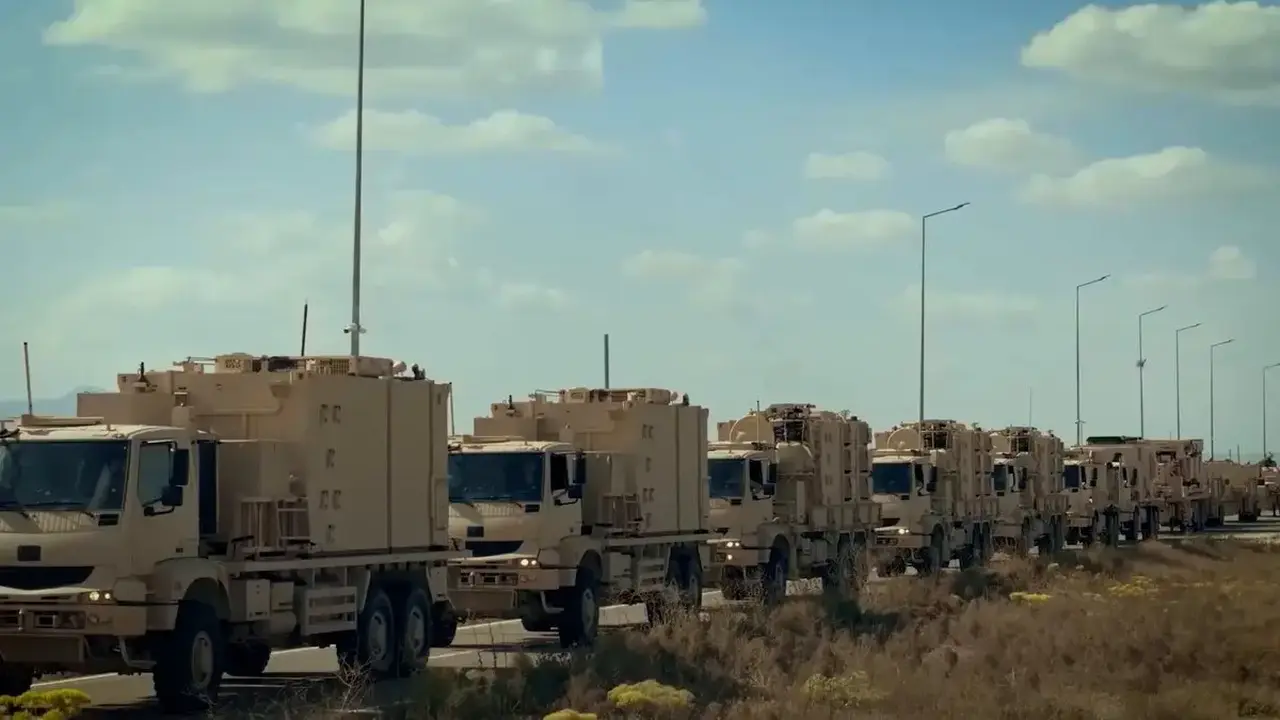
ASELSAN, the premier technology leader of the Turkish defense industry, has officially signed a new supply contract valued at 195 million dollars with the Presidency of the Republic of Türkiye Secretariat of Defence Industries (SSB). Announced via the Public Disclosure Platform (KAP), this significant agreement focuses on the production of critical radar systems and air defense electronics designed to meet the evolving operational requirements of the Turkish Armed Forces. The contract, finalized in early October 2026, reinforces Turkey’s strategic commitment to self-reliance in aerospace surveillance and border security, ensuring that the military remains equipped with advanced domestic technology.
- ASELSAN signed a 195 million dollar defense contract with the Presidency of the Republic of Türkiye Secretariat of Defence Industries.
- The agreement facilitates the development of advanced early warning and target detection radar systems for the Turkish Armed Forces.
- Project deliveries are scheduled to be completed between the years 2026 and 2028.
- The scope of the contract includes hardware production, software updates, and integrated logistics support.
Radar Capabilities Are Being Significantly Enhanced
This major investment focuses on upgrading the nation’s radar infrastructure, particularly regarding early warning and target detection systems. By utilizing advanced Active Electronically Scanned Array (AESA) technology, these systems can detect targets with low radar cross-sections at extended ranges. This capability is crucial in modern combat environments where small-scale aerial threats and unmanned aerial vehicles have become more prevalent. The integration of these radars into the Turkish air defense architecture ensures that command and control centers receive instantaneous, high-fidelity data, which is essential for maintaining situational awareness.
Domestic Systems Are Contributing to the Steel Dome Project
The new systems produced under this contract will play a vital role in Turkey’s overarching air defense initiative, often referred to as the “Steel Dome.” By serving as the “eyes and ears” of this integrated sky shield, the new radar units provide a layered defense mechanism that is fully compatible with existing domestic air defense missiles. This interoperability allows for a seamless flow of information between sensors and interceptors, significantly reducing the reaction time required to neutralize airborne threats. As the project progresses, the reliance on domestic engineering will continue to provide a strategic advantage in electronic warfare.
Operational Planning and Logistics Are Being Streamlined
The implementation schedule for this contract is designed to ensure a steady transition into the military inventory. Shipments and field deployments are expected to occur in phases, beginning immediately and concluding by 2028. Beyond the physical hardware, the contract guarantees long-term sustainability through comprehensive logistics support, including continuous software updates and the provision of essential spare parts. This holistic approach ensures that the systems remain operational and effective throughout their service life, minimizing downtime and maintaining combat readiness for field units.
Defense Industry Independence Is Continually Growing
This procurement deal contributes directly to ASELSAN’s robust order backlog and underscores the company’s vital role as a primary contractor for the Turkish state. By maximizing the domestic content ratio in complex subsystems like microwave modules and signal processing units, Turkey successfully mitigates risks associated with foreign embargoes and global supply chain disruptions. As the nation expands its indigenous capabilities, the reliance on imported components continues to decrease, granting the Turkish Armed Forces greater operational autonomy and a distinct edge in electronic intelligence and early warning operations.
How do you think the integration of advanced domestic radar systems will shape the future of air defense strategies in the region? Share your thoughts and technical insights in the comments section below.
Your comment has been submitted,
it will be published after approval.