
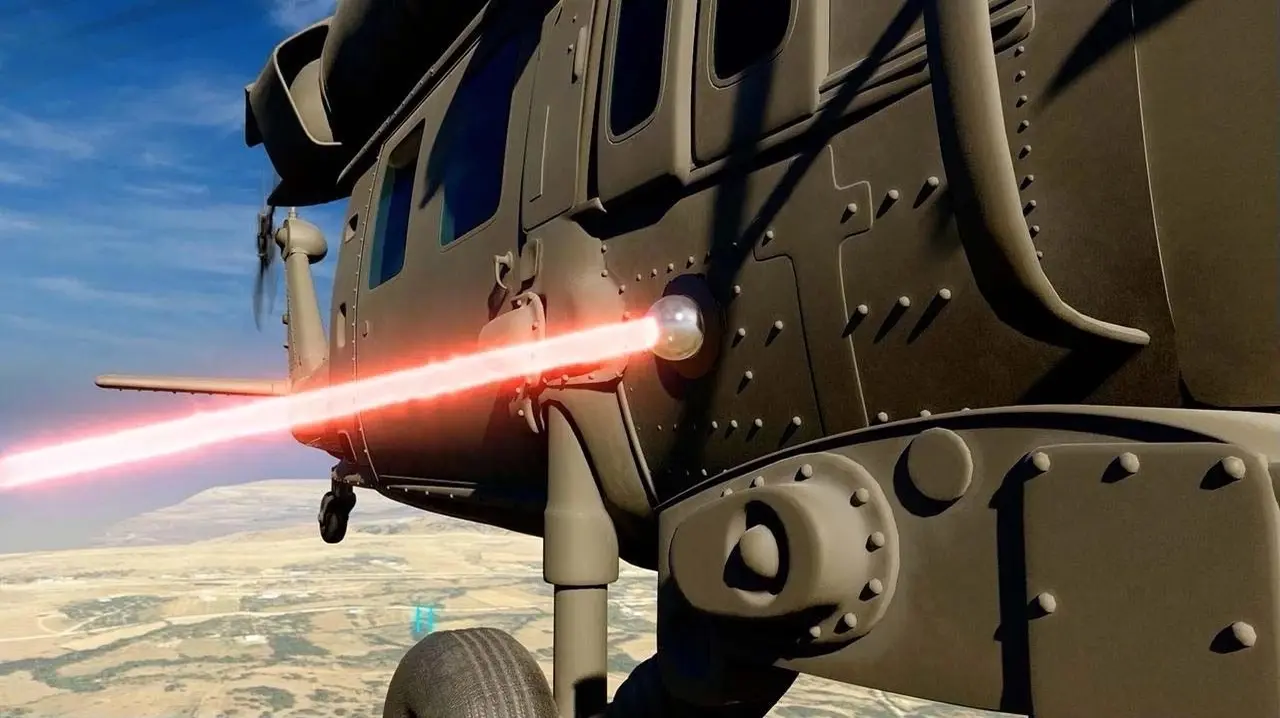
ASELSAN has successfully completed the tests of its YILDIRIM-100 Directed Infrared Countermeasure (DIRCM) system with live ammunition. The system was developed to protect fixed and rotary wing aircraft against heat-seeking missiles.
YILDIRIM-100 has officially completed its first test period
Test images show the system automatically detecting approaching missiles, then neutralizing the targets’ seeker heads with multi-band high-power laser beams and diverting them off course.
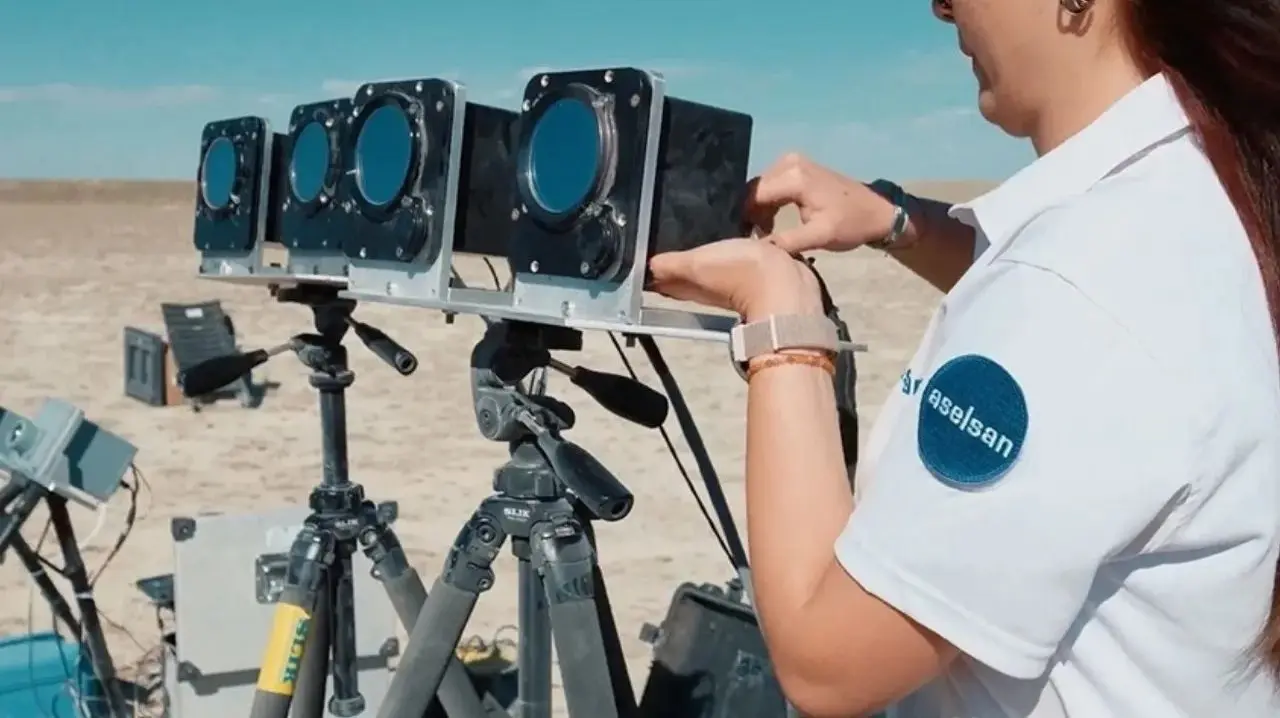
Operating in fully automatic mode, YILDIRIM-100 provides 360-degree global coverage and can eliminate multiple threats simultaneously. The system has a twin-head turret design. These turrets contain high-speed tracking sensors and high-power laser modules. The electronic control unit works in integration with both ultraviolet and infrared-based missile warning systems.
YILDIRIM-100 stands out with its low power consumption and compact structure. Thanks to its lightness and low maintenance requirements, it can be easily integrated into current and new generation aircraft. Its architecture is compatible with NATO standards.
In recent years, the widespread use of man-portable shoulder-launched air defense systems (MANPAD) in the field has posed a serious risk, especially for unmanned aerial vehicles, helicopters and transport aircraft. In cases where traditional flare-based systems are inadequate against this threat, directed laser systems such as YILDIRIM-100 stand out as an alternative protection method.
ASELSAN also confirmed that it is working on the YILDIRIM-300 version, specially developed for the fifth-generation national combat aircraft KAAN. With the entry into service of this system, KAAN will be the third warplane to have a DIRCM system after the Russian Su-57 and American F-35 warplanes.
The technical features of YILDIRIM-100 include multi-band laser output, full compatibility with UV and IR missile warning systems, global coverage with its dual turret structure, multi-threat capability, high-precision threat capture and high-energy focusing capability on the target. In addition, low cost life cycle and high system availability enable long-term use of the system in the operational field.