
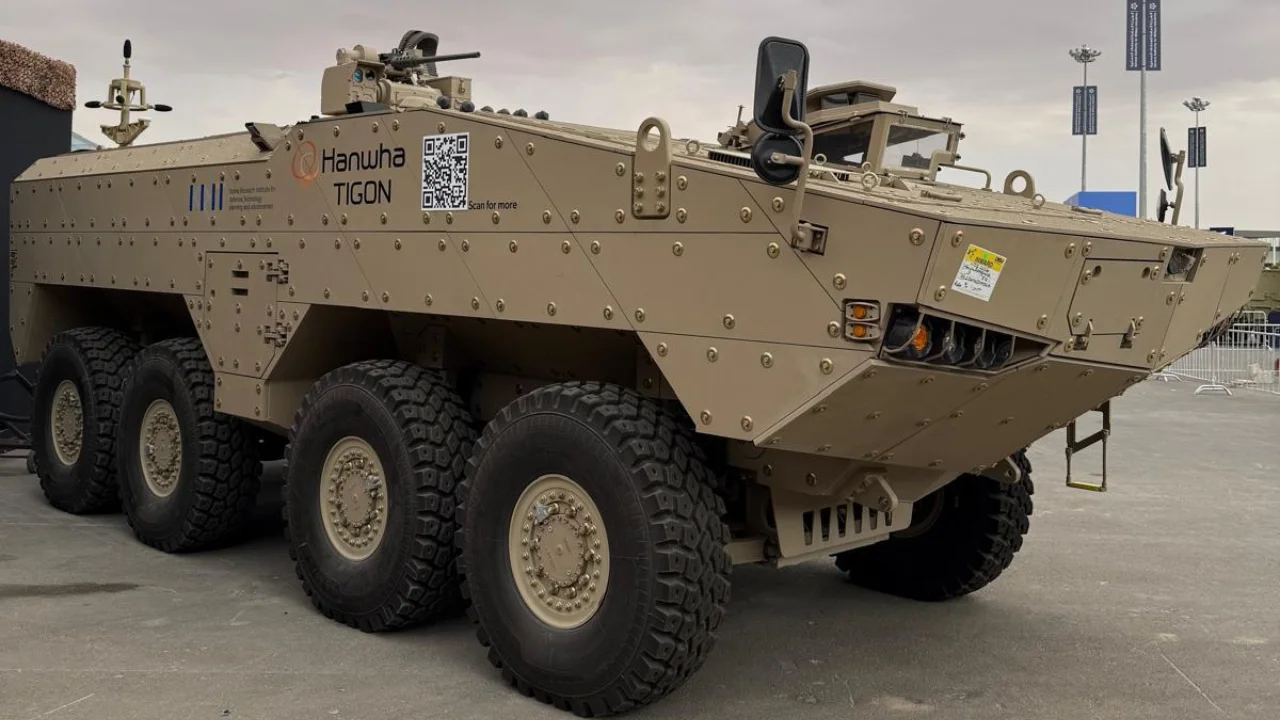
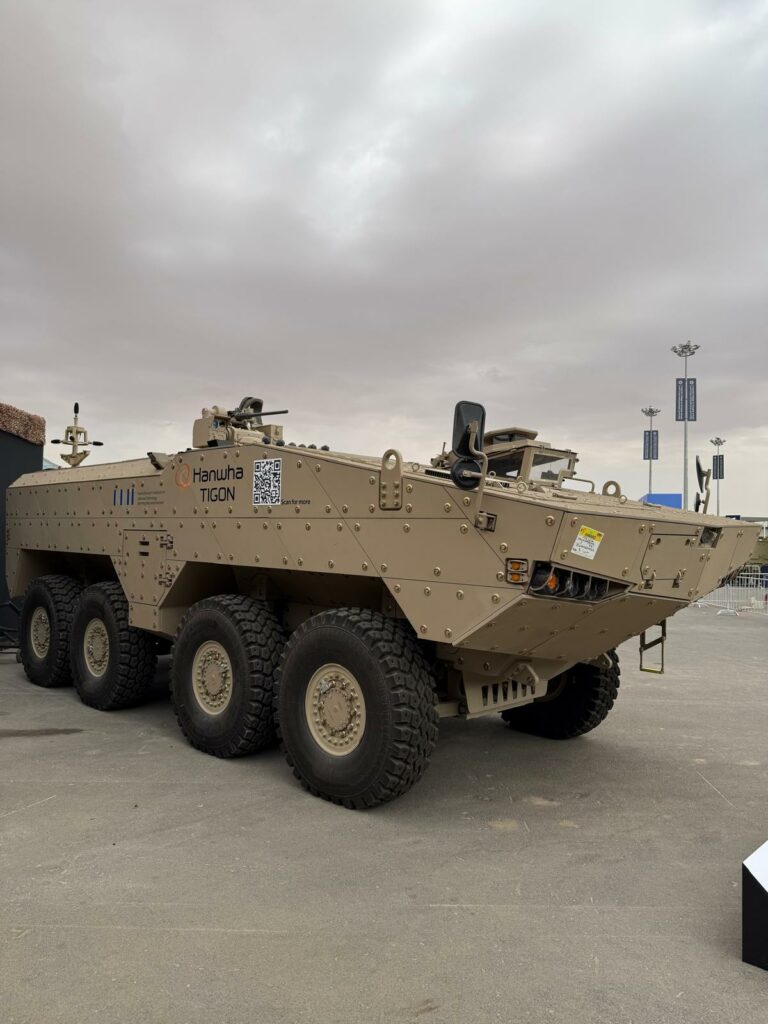
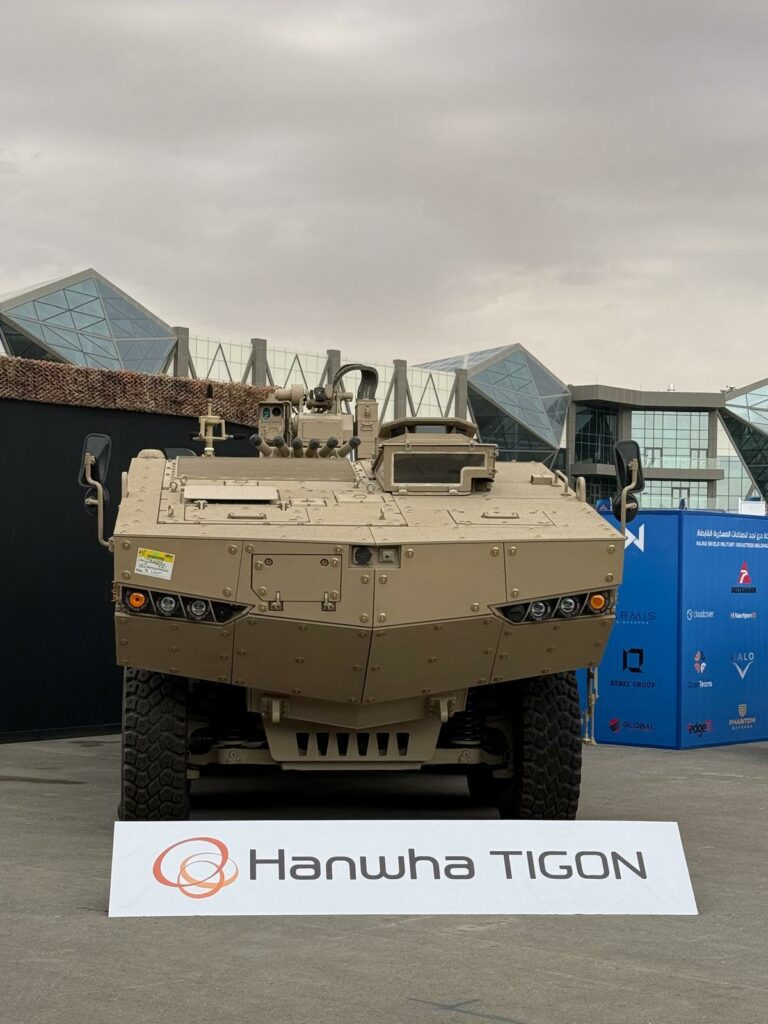
Turkish defense giant ASELSAN has showcased its cutting-edge ASELSAN SEDA 100 System for the first time on an international platform. The advanced acoustic gunshot detection technology was integrated into the new generation 8×8 Tigon armored vehicle, developed by South Korean manufacturer Hanwha Aerospace. This public debut marks a significant step in the collaboration between the two defense industry leaders.
A Strategic Partnership: ASELSAN SEDA 100 System Integration
The integration of the SEDA 100 system is the direct result of a Memorandum of Understanding (MoU) signed by ASELSAN and Hanwha last year. This agreement laid the groundwork for the two companies to work together on integrating the system into Hanwha’s vehicles for both domestic and international markets. Consequently, this recent showcase represents a major milestone in ASELSAN’s long-term commitment to defense cooperation with the Republic of Korea.
By combining Turkish detection technology with South Korean armored vehicle expertise, both companies aim to offer a more competitive and technologically superior product to the global market. The Tigon vehicle, equipped with the SEDA 100, provides its crew with a critical advantage: the ability to instantly and accurately identify the source of enemy fire, thereby enhancing survivability and mission effectiveness.
Advanced Features of the SEDA 100 Technology
The SEDA 100 is not just any detection system; it is a field-proven technology designed for high performance. It utilizes advanced acoustic sensors to detect supersonic projectiles and precisely pinpoint the shooter’s location. A key feature of the system is its reliability across all environmental conditions, ensuring operational readiness day or night, in any weather.
Furthermore, the system provides alerts based on a Geographic Information System (GIS), giving operators a clear visual of the threat location. Another significant advantage is its seamless integration capability, which does not require calibration, making it a practical and efficient upgrade for various military platforms.
So, what are your thoughts on this Turkish-South Korean defense collaboration? Share your opinions with us in the comments!