
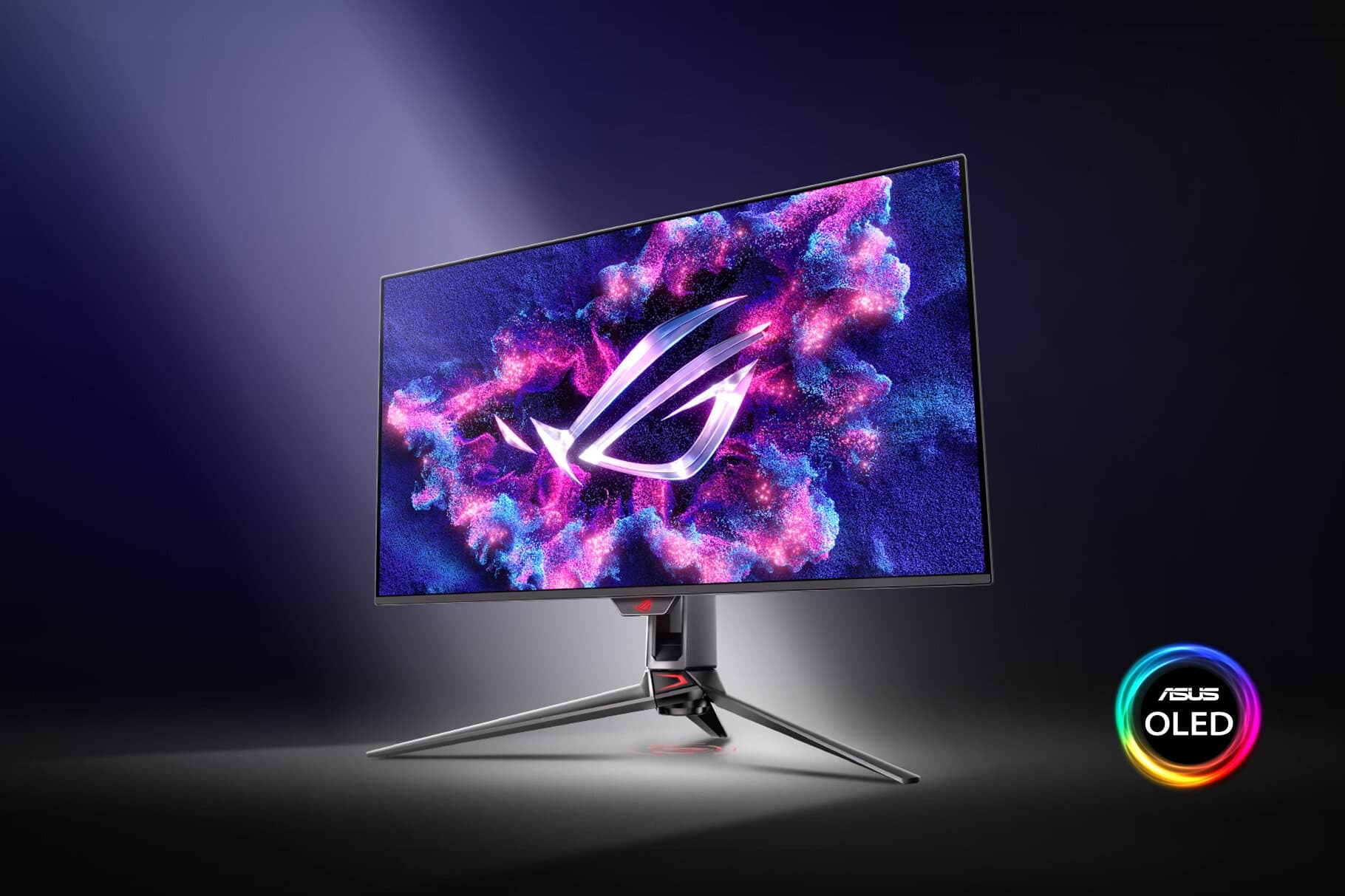
A fresh leak suggests Asus is preparing a quiet refresh of its flagship OLED display. The Asus ROG Swift OLED PG32UCDM3 surfaced early after details appeared on the website of ASUS. The reveal points to a launch window just days away, positioning the model as a 2026 update rather than a full redesign. Even so, several changes stand out and directly target long-standing OLED concerns.
The current PG32UCDM already earned attention as one of the first 32-inch 240Hz QD-OLED gaming monitors. Now, Asus seems ready to push that formula a step further without tearing it apart.
Asus ROG Swift OLED PG32UCDM3 keeps the same visual identity
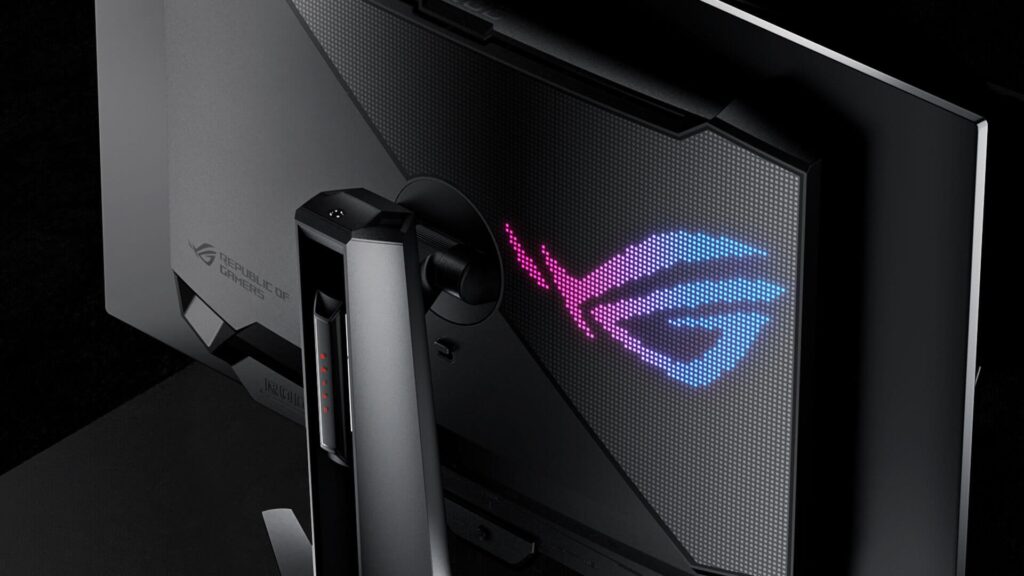
At first glance, little looks different. The chassis design stays familiar, complete with the illuminated ROG logo on the rear and the desk-projected emblem beneath the stand. Asus clearly chose continuity over reinvention.
Core specs follow the same path. The panel remains 31.5 inches with full 4K resolution, a 240Hz refresh rate, and a 0.03ms response time. That decision keeps the monitor locked into the high-end competitive space. Still, the real upgrades sit below the surface rather than on the spec sheet headline.

PlayStation Network account hack exposes weak support checks, raising concerns over account recovery, 2FA limits, and user data safety.
Black Shield sets Asus ROG Swift OLED PG32UCDM3 apart
The headline feature is a new surface treatment called Black Shield. According to leaked details first spotted by VideoCardz, this coating reflects less ambient light, allowing blacks to appear up to 40 percent darker in bright rooms. For OLED users who game during daylight, that change matters.
The coating brings durability gains too. Asus claims the surface resists scratches 2.5 times better than the previous panel. That upgrade targets daily wear rather than showroom specs, which feels deliberate.
Brightness and HDR get a quiet boost
Brightness sees a modest but meaningful lift. The panel carries VESA DisplayHDR True Black 500 certification. That translates to at least 300 nits across the full screen and peak HDR brightness of 500 nits. These figures do not chase LCD extremes. Instead, they address one of OLED’s softer spots without stressing panel longevity.
At the same time, Asus continues to lean on burn-in prevention rather than raw output. That balance remains consistent with earlier ROG OLED releases.
Connectivity upgrades modernize Asus ROG Swift OLED PG32UCDM3
One of the most practical changes arrives at the back panel. DisplayPort 1.4 is gone. In its place sits DisplayPort 2.1a UHBR20, offering up to 80 Gbps of bandwidth. That leap supports future GPUs far better, especially for uncompressed 4K at high refresh rates.
Ports now include the following highlights:
- DisplayPort 2.1a UHBR20
- HDMI 2.1
- USB-C with 90W Power Delivery
This shift alone makes the refresh feel more forward-looking than cosmetic.
Smart features focus on longevity
The Neo Proximity Sensor returns with an expanded role. When the user steps away, the display dims automatically. That behavior saves power and reduces burn-in risk over time. Instead of flashy software tricks, Asus focuses on habits that extend panel life.
The Asus ROG Swift OLED PG32UCDM3 does not chase spectacle. Instead, it refines pain points that long-term users actually notice. Quiet changes often land the hardest.