

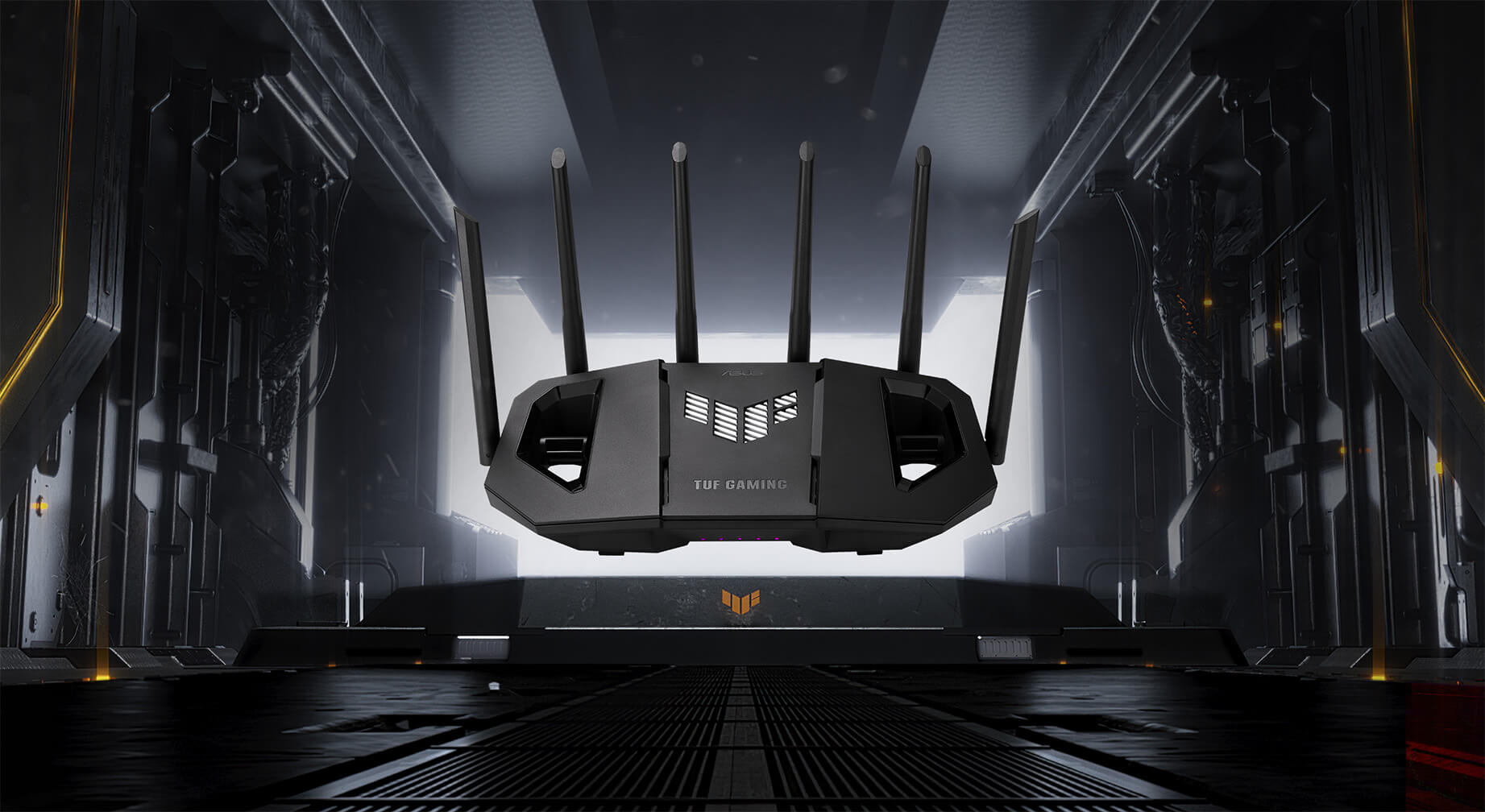
In a surprising move ahead of CES 2026, ASUS has unveiled the industry’s first ASUS Wi-Fi 8 router. While this announcement signals a major leap in network technology, it also raises significant questions as the Wi-Fi 8 standard is not yet finalized, creating a potential risk for early adopters.
Why the ASUS Wi-Fi 8 Router is a Risky Move
The new standard, technically known as IEEE 802.11bn, is still under development. According to data from Samsung Research, while the first draft was created in July 2025, the final approval is not expected until 2028. By marketing functional hardware based on a draft standard, ASUS is taking a considerable gamble. This strategy is likely an attempt to get ahead of competitors and solidify its image as a technology leader.

However, purchasing technology that has not been standardized always carries risks for consumers. A similar situation occurred during the transition to Wi-Fi 7 with issues surrounding 320 MHz channel support. There is a real possibility that the features promised on paper could change once the standards are finalized, or that the hardware may not meet the final requirements. This means consumers could pay a premium for a device today that they cannot use to its full potential tomorrow.
Who is This Ultra-Fast Router For?
Perhaps the biggest challenge is the complete lack of client devices. Currently, there are no phones, laptops, or other gadgets on the market that support Wi-Fi 8. This makes the target audience for this router unclear. Furthermore, with rumors circulating that ASUS may be withdrawing from the smartphone market, it’s uncertain who this device is being built for.
While the product is exciting for tech enthusiasts who want to invest in the future, it seems to be a premature step for the average user.
So, what are your thoughts on the new ASUS Wi-Fi 8 router? Share your opinions with us in the comments!