


Meta’s popular messaging app WhatsApp is facing a tough test in India, its largest market. The Indian government has introduced new and strict regulations that will fundamentally change how messaging apps operate as part of its fight against cyberfraud. These rules, published at the end of last month and requiring compliance within 90 days, could significantly hinder the app’s use for everyday users and businesses.
Radical measures against cyberfraud: Messaging apps are changing
According to the new regulations, accounts on apps like WhatsApp, Telegram, and Signal will be required to remain constantly linked to an active SIM card. The situation is even more complicated for those using desktop and web versions. To enhance user security, web and desktop sessions must automatically close every six hours, and access must be restored via QR code.
The New Delhi government states that these radical measures aim to curb the rising number of cyberfraud cases. The Ministry of Telecommunications emphasizes that India suffered approximately $2.5 billion in cyberfraud losses in 2024 alone. The government argues that mandatory SIM pairing and periodic disconnections will make it easier to track numbers used in fraud and illegal activities, and will enhance security.
However, tech giants and digital rights advocates are reacting negatively to this. Small businesses, especially those using WhatsApp Business, are expected to be negatively impacted. Many businesses use the web version via computer to manage customer orders and support requests. Mandatory SIM pairing and frequent mandatory disconnections could disrupt workflows and cause interruptions in customer communication.
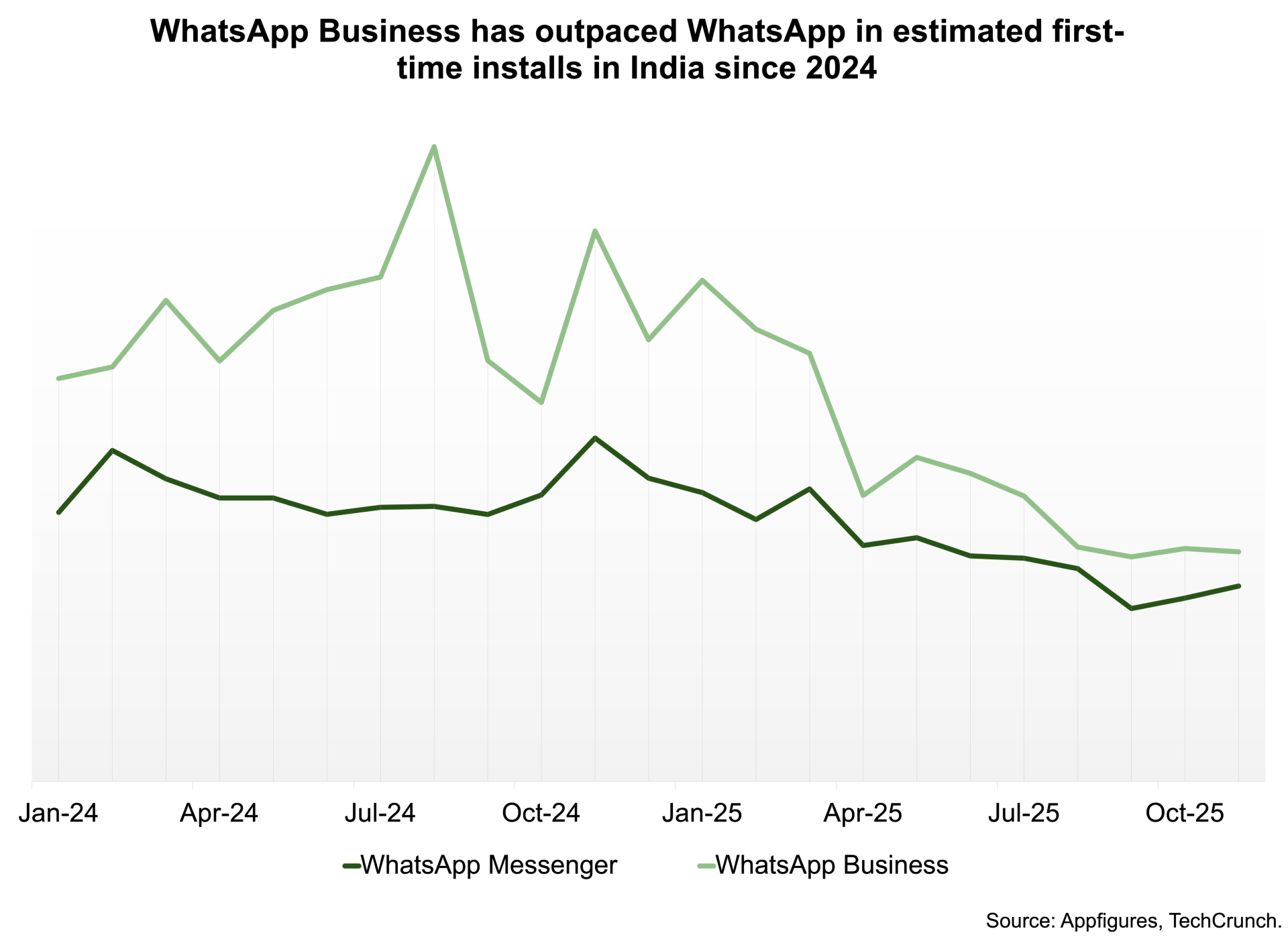
This market is critical for WhatsApp, which has over 500 million users in India. Data shows that the app’s growth in the country now relies more on retaining existing users than acquiring new ones. WhatsApp Business downloads are growing faster than the standard app, demonstrating the widespread commercial use of the platform. Industry representatives have serious concerns about technical feasibility, and it is noted that companies like Meta will find it difficult to challenge this decision through legal means.
It remains to be seen whether these strict regulations in India will set a precedent for other countries. This delicate balance between security and ease of use could be decisive in the future of technology. What are your thoughts on such stringent security measures; would you sacrifice ease of use and comfort for a safer experience?