

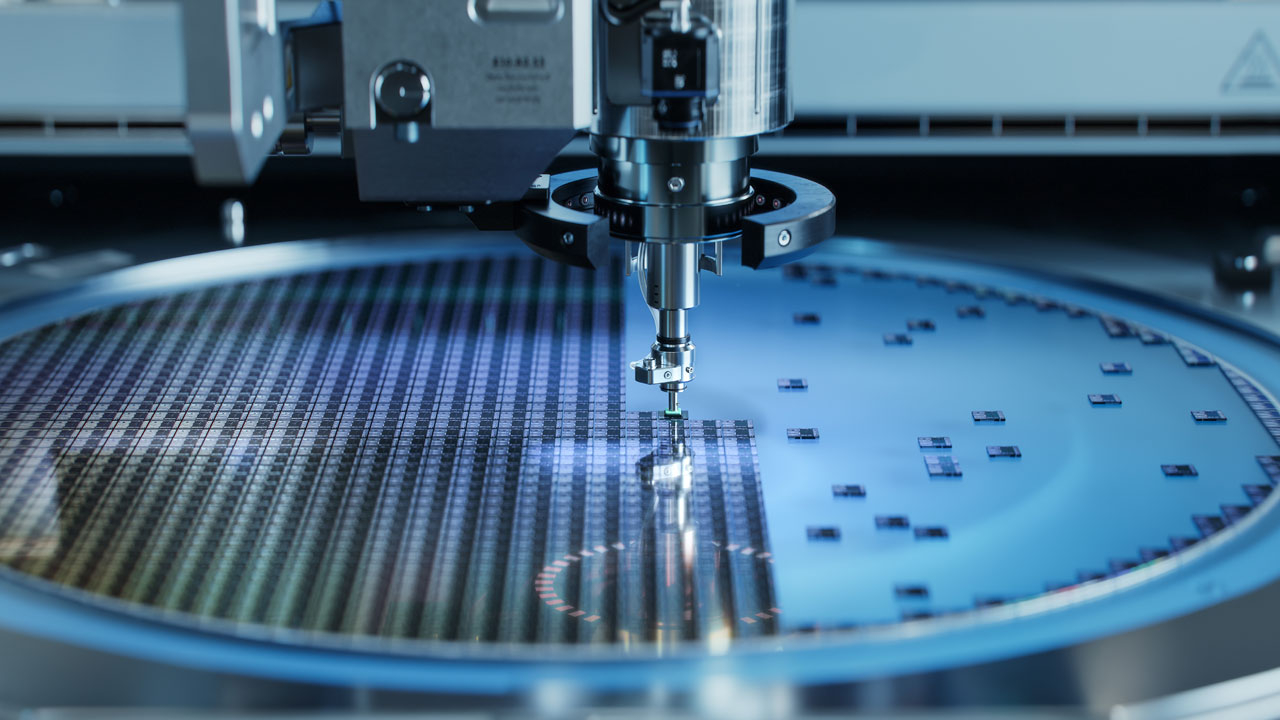
In the technology world, not only RAM prices but also the costs of the tools used to produce chips are expected to increase significantly. Global semiconductor manufacturing equipment sales are projected to reach $133 billion in 2025. This figure represents a very high increase of 13.7% year-on-year. According to estimates, these expenditures will continue to increase, and the market is expected to reach $145 billion in 2026 and $156 billion in 2027.
The impact of AI: Major cost increase in chip manufacturing equipment
A new report published by SEMI warns the industry that semiconductor manufacturing tools may enter a period of rapid cost inflation. Key reasons for this increase include artificial intelligence tools and cloud computing workloads. Furthermore, the industry’s shift to high-volume production using 2nm technology plays a critical role in the rise of wafer manufacturing costs.
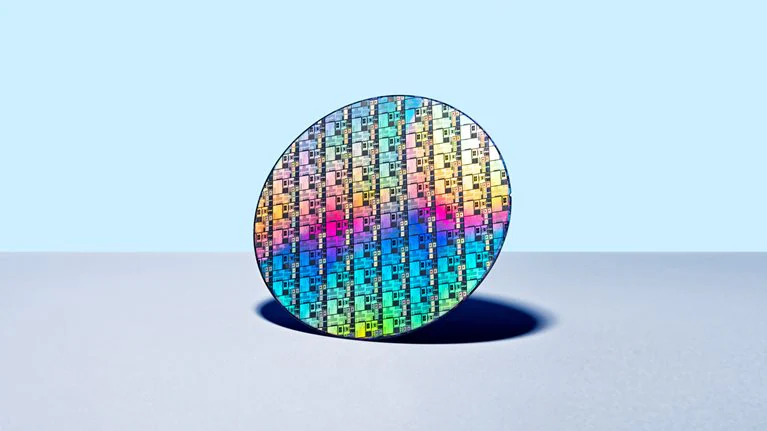
High-performance computing technologies are about to become much more expensive. Sales of wafer manufacturing equipment saw a 9.8% growth this year. With chip manufacturers increasing capacity for AI accelerators, high-performance computing, and premium mobile processors, steady growth is expected over the next two years.
Demand for high-bandwidth memory is driving higher capital expenditures related to memory. The NAND equipment market, in particular, is expected to grow by 45.4% this year alone. Similarly, a 15.4% increase in DRAM equipment sales is also highly likely this year. SEMI CEO Ajit Manocha notes that investments supporting AI demand are exceeding expectations.
According to Omdia data, semiconductor market revenue increased by 14.5% quarter-on-quarter. This pushed the market size above $200 billion for the first time in history, reaching $216.3 billion. A large portion of equipment spending is expected to be concentrated in China, Taiwan, and Korea in the foreseeable future, but growth is projected in all regions.
As AI workloads increase, hardware prices are also rising accordingly. These cost increases, particularly in memory and processors, could directly impact end-user products. How do you think these increased production costs will be reflected in the prices of technological devices in the near future?