
Bayraktar AKINCI Destroys Chinese FK-2000 Air Defense System

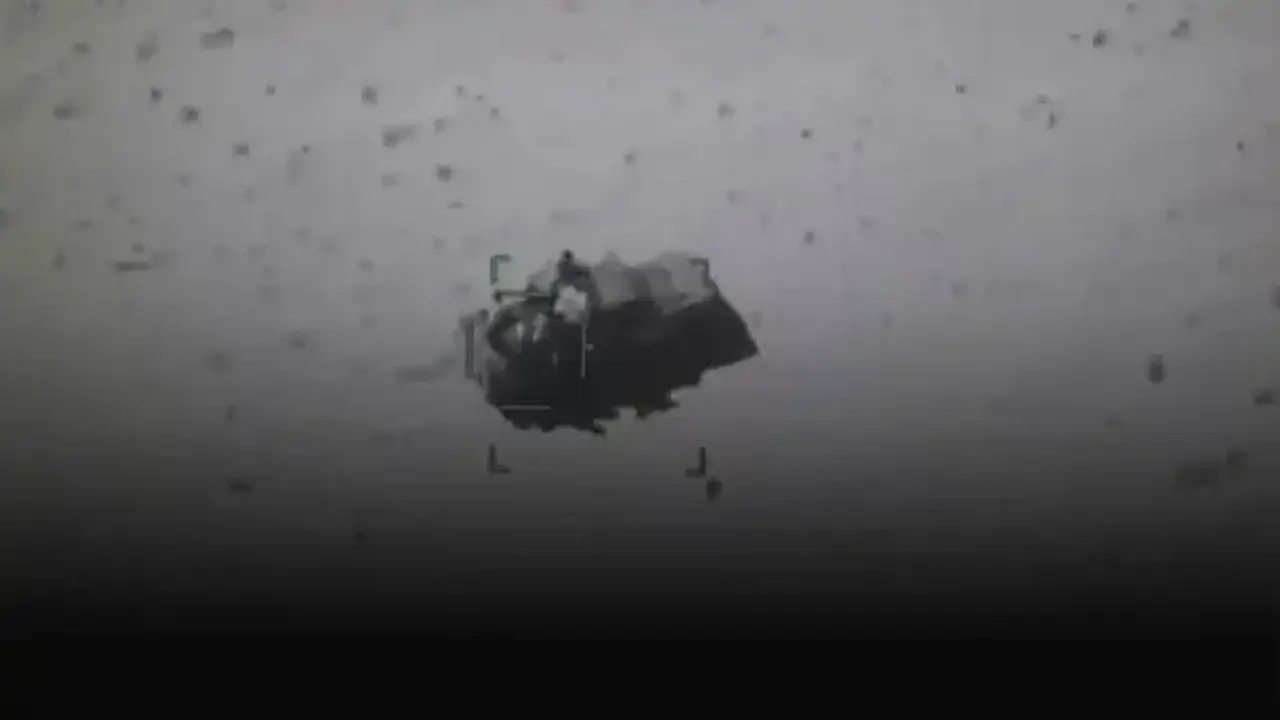
On September 9, 2026, the Sudanese Army utilized a Bayraktar AKINCI combat unmanned aerial vehicle (UAV) to conduct a high-precision strike against a Rapid Support Forces (RSF) position, successfully neutralizing a Chinese-made FK-2000 short-range air defense system. The operation, documented in released combat footage, confirms the destruction of the platform by munitions identified as being manufactured by the Turkish company ROKETSAN. This strike marks a significant escalation in the ongoing conflict between the Sudanese military and the RSF, showcasing the increasing role of advanced high-altitude, long-endurance (HALE) drones in modern asymmetrical warfare and their ability to suppress sophisticated ground-based air defenses.
- The Sudanese Army successfully neutralized an RSF-held FK-2000 air defense system using a Bayraktar AKINCI drone.
- This event represents the second recorded instance of an AKINCI targeting this specific Chinese-made system in the region.
- The operation demonstrates the growing capability of tactical UAVs to perform Suppression and Destruction of Enemy Air Defense (SEAD/DEAD) missions.

FK-2000 Functions as a Short-Range Defensive Shield
The FK-2000 system is a mobile, short-range air defense platform developed by China, designed to protect critical assets from aerial threats including drones, cruise missiles, and low-flying aircraft. Mounted on an 8×8 wheeled vehicle, the system integrates both missile launchers and anti-aircraft cannons to create a multi-layered defensive bubble. Technical specifications indicate an engagement range spanning from 1.2 to 25 kilometers. By successfully targeting and destroying this system, the AKINCI has moved beyond traditional ground attack roles, effectively challenging the defensive capabilities of opposing forces.
AKINCI Demonstrates Tactical Consistency in Combat
This engagement is not an isolated event, as the Sudanese military previously reported the destruction of an RSF-operated FK-2000 system in February 2026. During that earlier operation, analysts suggested the use of ROKETSAN-manufactured MAM-L or MAM-T munitions based on the visible damage patterns. The repetition of such successful strikes highlights the operational maturity of the AKINCI within the Sudanese theater. These missions serve as a practical demonstration of how modern unmanned systems are expanding their operational envelope to include complex counter-air tasks that were once reserved for manned fighter jets.
Unmanned Platforms Change the Future of Warfare
The ability of the AKINCI to hunt and destroy air defense systems signifies a shift in modern military doctrine. Historically, the suppression of enemy air defenses required high-cost platforms and pilots operating in hazardous environments. Today, the endurance and sensor suites of the AKINCI allow operators to locate, track, and engage mobile air defense units while remaining at a safer distance. While the exact sensor and electronic warfare capabilities employed during this specific strike remain classified, the outcome confirms that these drones are becoming a primary tool for dismantling enemy defensive architectures.
Sudan Serves as a Testing Ground for New Missions
The conflict in Sudan has effectively become a live-fire laboratory for the Bayraktar AKINCI. Beyond its proficiency in destroying ground-based air defenses, the platform has also demonstrated its versatility in air-to-air engagements, such as the reported May 2026 strike against an RSF aerial platform using a ROKETSAN EREN missile. These operations underscore the multifaceted utility of HALE drones, as they transition from simple reconnaissance and light ground support into complex, multi-domain combat assets. As these technologies continue to evolve, the distinction between traditional tactical aviation and unmanned aerial operations becomes increasingly blurred.
Given the increasing frequency of drone-led suppression missions, what do you think this shift means for the future of traditional air defense investments in conflict zones? Share your perspectives on how autonomous technology is reshaping modern battlefield strategies in the comments section below.
Your comment has been submitted,
it will be published after approval.