
Bitchat Surges in France as Protesters Bypass Network Blackouts

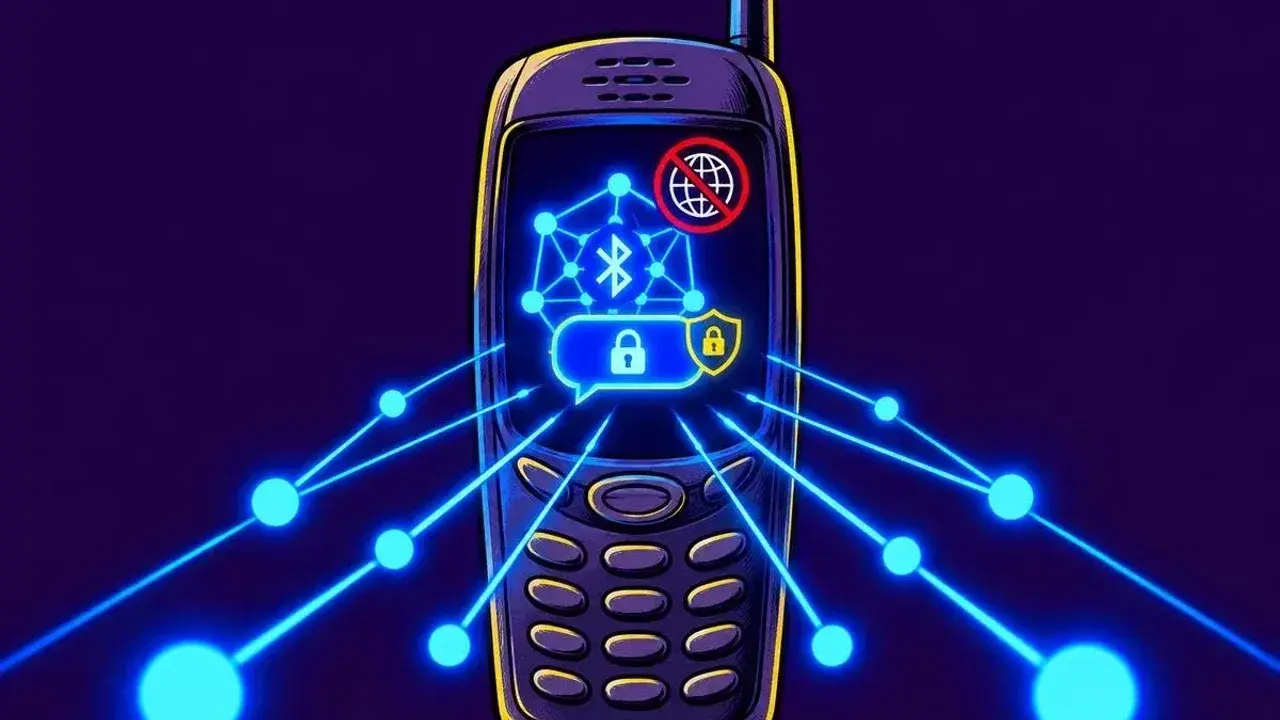
During the recent widespread cost-of-living protests in France, the offline messaging application Bitchat has seen a dramatic surge in adoption as citizens grapple with significant mobile network outages. Developed by Jack Dorsey, the platform enables communication without the need for an internet connection or a registered phone number, making it a critical tool for demonstrators facing social media restrictions. As connectivity issues plagued major carriers like Orange and Sosh, French users flocked to the app, propelling it to the top of the App Store charts. This transition highlights a growing reliance on decentralized technology to maintain communication channels when traditional infrastructure becomes inaccessible or is intentionally throttled by authorities.
- Bitchat enables decentralized communication by operating through Bluetooth mesh networking without requiring internet access or cellular registration.
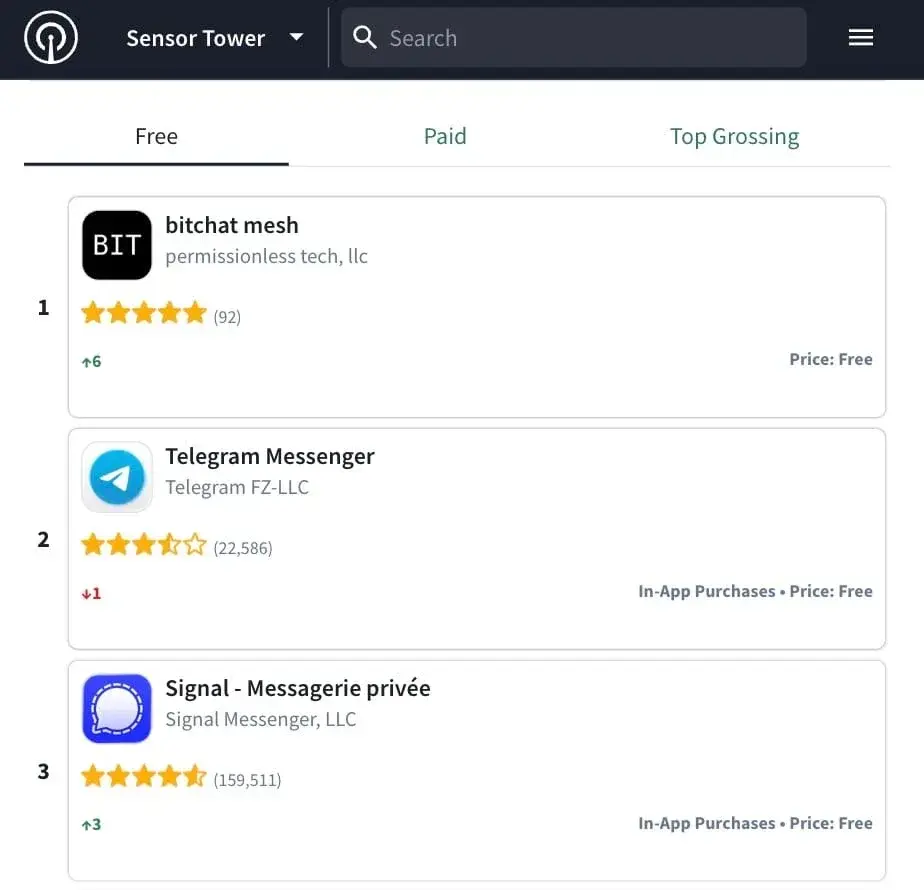
- The application has reached the top of the French App Store following widespread mobile service disruptions during civil protests.
- Security is maintained through the Noise Protocol Framework, which provides end-to-end encryption for all private messages exchanged between users.
- Governments in regions such as India and China have previously mandated the removal of the app from digital marketplaces due to its uncontrollable nature.
Bluetooth Mesh Technology Facilitates Direct Communication
The core functionality of Bitchat relies on a Bluetooth mesh network, which allows mobile devices to communicate directly with one another. Unlike traditional messaging services that depend on centralized servers, every device running Bitchat acts as a client and a relay node. This architecture extends the effective communication range by passing messages through multiple devices in a chain. In crowded environments, this multi-hop approach can theoretically bridge gaps up to 300 meters between individual users.
Because the app does not require users to create an account or provide a phone number, it offers a high degree of privacy and anonymity. Furthermore, the application is designed to be easily sharable, with Android versions capable of being distributed peer-to-peer without relying on centralized app stores. When a standard internet connection becomes available, the application seamlessly integrates the Nostr protocol to communicate with broader, more distant channels, while maintaining a local #mesh channel for immediate physical proximity.
Global Incidents Drive Adoption of Offline Tools
The situation in France is not an isolated event, as Bitchat has previously gained traction during political unrest in nations including Uganda, Iran, and Nepal. In these regions, citizens utilized the platform to circumvent state-imposed internet blackouts, proving the efficacy of decentralized tools in hostile digital environments. Beyond political protest, the technology has demonstrated utility in humanitarian contexts, such as the rescue operations following Hurricane Melissa in Jamaica, where traditional communication grids were completely destroyed.
However, the app’s decentralized nature has invited scrutiny from various administrations. Both Chinese and Indian authorities have formally requested the removal of Bitchat from their respective app stores, citing concerns over the inability to regulate or censor communications during periods of social volatility. These regulatory pressures reflect the ongoing tension between technological advancement and government control over digital communication spaces.
Privacy Standards Are Maintained Through Encryption
Despite the lack of a central authority, Bitchat ensures data integrity through the Noise Protocol Framework. This cryptographic standard protects messages from interception, ensuring that only the intended recipients can read private correspondence. By mimicking the architecture of early internet protocols like IRC, the app provides a robust framework that remains functional even when the modern, centralized web is rendered inaccessible. As digital authoritarianism becomes a global concern, the reliance on such tools is likely to increase in frequency and scale.
As decentralized communication tools become increasingly vital during civil unrest, we invite you to share your thoughts. Do you believe that offline messaging apps are a secure and effective solution for maintaining connectivity when the internet is restricted by state authorities?
Your comment has been submitted,
it will be published after approval.