
BMW Faces Backlash Over Spider-Man Ads on Infotainment Screens

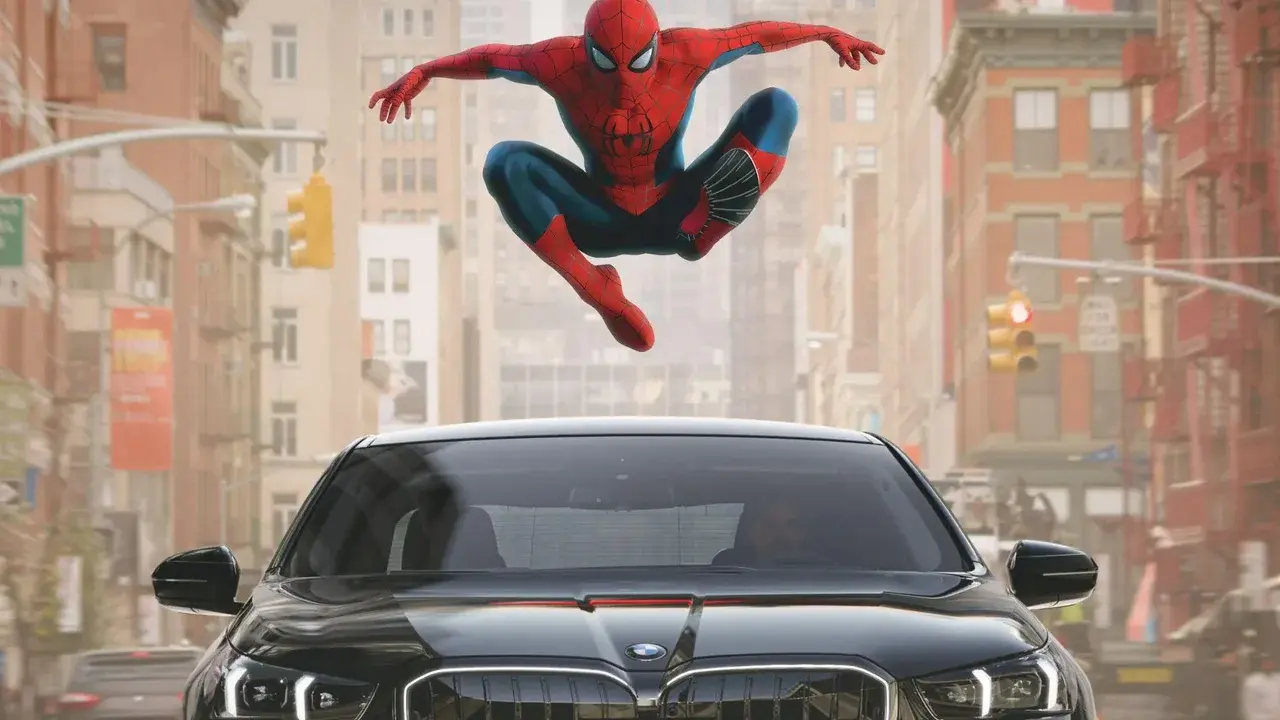
German luxury automaker BMW has sparked significant controversy by introducing Spider-Man promotional content directly into the infotainment systems of its latest vehicle models. Between July 27 and August 10, owners of compatible BMW cars encountered a branded banner for the film “Spider-Man: Brand New Day” appearing upon startup. This integration, which combines visual promotional material with synchronized vehicle ambient lighting, marks a bold push into in-car advertising for the premium automotive segment. While the company maintains that the feature is optional and requires user engagement, the move has ignited a fierce debate regarding the intrusion of digital marketing into private, high-end automotive spaces.
- BMW introduced promotional banners for a Spider-Man film into its vehicle infotainment systems.
- The promotional campaign runs for a limited period between July 27 and August 10.
- Vehicle ambient lighting synchronizes with the promotional animation when activated by the driver.
- Luxury vehicle owners expressed significant dissatisfaction regarding the presence of commercial content in paid products.
BMW Defends the Optional Nature of the Promotion
In response to the growing public outcry, BMW officials have clarified that the promotional banners are not forced upon users. According to the manufacturer, the advertisements do not play automatically; instead, they appear as selectable banners that drivers can choose to ignore entirely. The company emphasizes that the core user experience remains unaffected for those who decline the promotional offer. Despite these assurances, the automotive community remains largely unconvinced by the manufacturer’s rationale for including such features.
Critics argue that the integration of commercial content into premium vehicles undermines the luxury brand experience.
Luxury Automotive Owners Question Digital Boundaries
The core of the criticism stems from a fundamental disagreement over the role of a vehicle’s interface. Many owners feel that after paying a significant premium for high-end transportation, they should not be subjected to commercial advertisements in their personal space. Social media platforms and specialized automotive forums have become hubs for frustrated drivers who view this strategy as an unwelcome intrusion. The debate highlights a broader concern regarding the extent to which digital advertising is encroaching on physical products.
As connected vehicles become more advanced, the temptation for manufacturers to monetize screen time increases. However, this recent campaign demonstrates that there is a delicate balance between leveraging technology for marketing and alienating a core customer base. The industry is now watching closely to see if BMW will adjust its digital strategy in response to this widespread feedback or if this represents a new norm for the premium car sector.
The automotive industry faces a critical test regarding the acceptance of integrated advertising in high-end vehicles.
Industry Experts Observe Changing Revenue Streams
This development serves as a case study for the evolving business models of modern car manufacturers. As vehicles transition into “smart devices on wheels,” companies are increasingly looking for ways to generate recurring revenue through software and services. While some see this as an opportunity for innovation, many long-term BMW enthusiasts believe that the brand should focus on performance and quality rather than becoming a platform for third-party media promotions. Whether this strategy will be refined or abandoned remains a subject of intense speculation.
We would love to hear your perspective on this development; do you believe that advertising has a place in the infotainment systems of luxury vehicles, or should the driving experience remain strictly commercial-free?
Your comment has been submitted,
it will be published after approval.