
BMW to Cut 8,000 Jobs in Germany by 2027

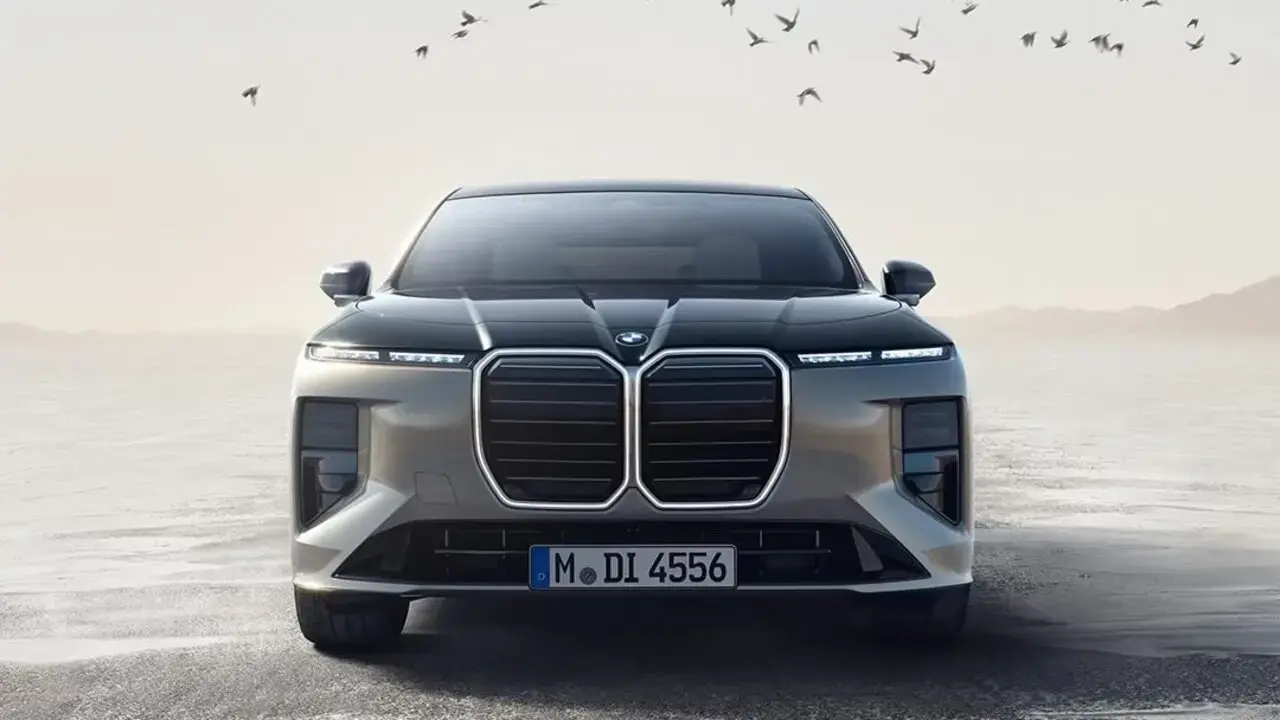
German automotive giant BMW has officially announced a massive restructuring plan that will result in the layoff of 8,000 employees across its German operations by the end of 2027. This decision, driven by the global automotive industry’s complex shift toward electric vehicles and the urgent need for cost optimization, marks a significant turning point for the manufacturer. As BMW navigates the challenges of reduced market demand and the heavy financial burden of developing new green technologies, this workforce reduction is a core element of its strategy to maintain competitive edge and long-term financial stability in the changing European market.
- BMW will terminate 8,000 positions within its German facilities by the end of 2027.
- The company attributes this downsizing to the transition toward electric mobility and rising operational costs.
- Management aims to establish a leaner organizational structure to enhance overall productivity.
The Automotive Industry Faces a Forced Transformation
The global automotive sector is currently experiencing profound turbulence as manufacturers pivot from traditional internal combustion engines to electric motor technologies. Companies like BMW are investing billions into research and development while simultaneously fighting to lower manufacturing overhead.  These planned layoffs are a direct consequence of the company’s ambition to foster a more agile organizational structure that can better adapt to rapid technological shifts.
BMW management intends to boost operational efficiency by eliminating 8,000 jobs by 2027.
The scale of this transition reflects the broader challenges that legacy automakers face in an era defined by software-driven vehicles. While innovation remains the top priority, the economic reality of maintaining current production volumes while investing in future platforms has become increasingly difficult for established brands.
Concerns Regarding the German Economy Are Rising
The decision to reduce the workforce is not just a corporate strategy; it is viewed by analysts as a potential risk factor for Germany’s industrial strength. The automotive sector has long been the backbone of the German economy, and this move creates significant uncertainty for thousands of workers. While BMW leadership has promised to implement support packages to assist affected personnel, labor unions and industry representatives remain deeply concerned about the broader implications for the national labor market.
Competitive Conditions Are Being Redefined Globally
The aggressive pricing strategies employed by Chinese electric vehicle manufacturers have forced European brands into a defensive posture. BMW must now minimize personnel expenses to protect profit margins and continue funding its critical technological advancements. [image_2] This strategic shift represents a pivotal moment in the brand’s fight for survival against new, highly efficient global competitors who are rapidly gaining market share.
This downsizing in German production facilities may trigger a new wave of volatility across the entire automotive sector.
How do you interpret these significant workforce reductions within the automotive industry: do you believe they are an inevitable side effect of the electric vehicle transition, or are they early warning signs of a deeper economic crisis? We invite you to share your perspectives in the comments section below.
Your comment has been submitted,
it will be published after approval.