
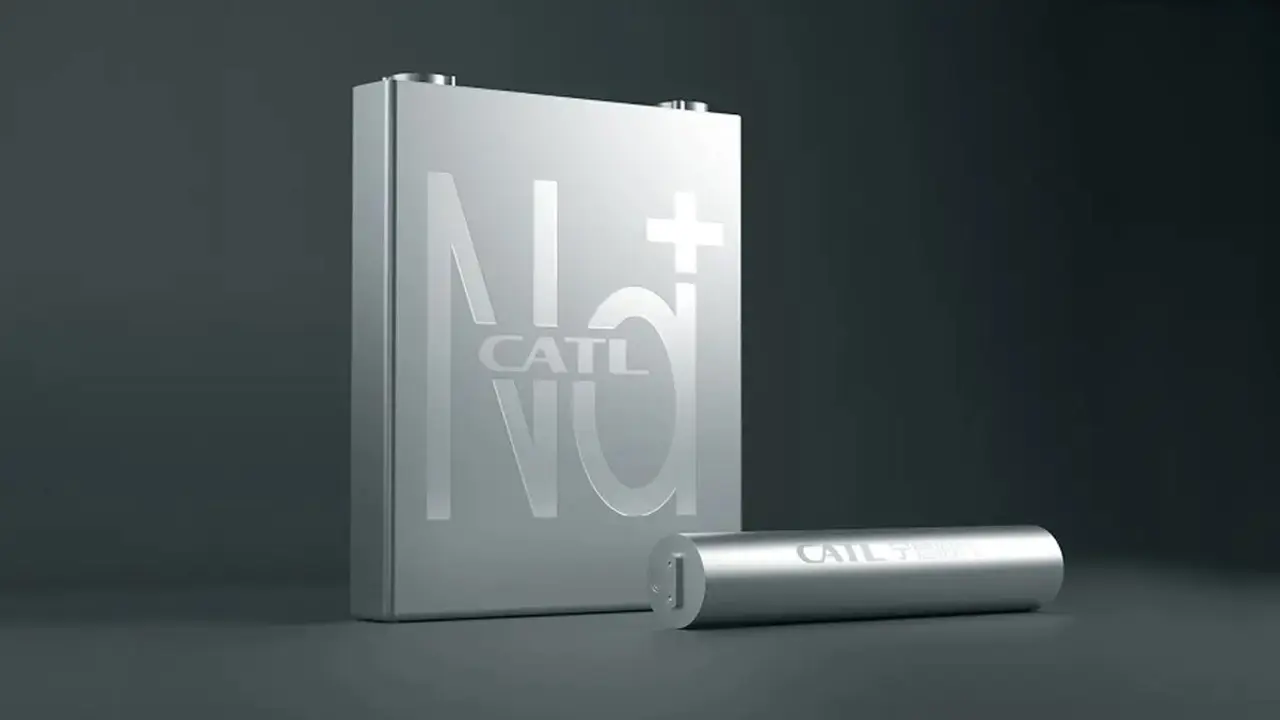
CATL, the world’s largest battery manufacturer, has developed a new technology that radically reduces costs for electric vehicles and energy storage systems. The company announced that it has reduced energy storage costs to just $10 per kilowatt-hour by using sodium derived from table salt. This price represents a significant 90 percent reduction compared to the $115 cost of current lithium-ion batteries.
CATL is working on sodium-ion batteries
This innovation is critical not only for the electric vehicle market but also for the wider adoption of renewable energy sources. Sodium is a more abundant and affordable resource than lithium, making these batteries a sustainable alternative. Furthermore, sodium-ion batteries are notable for their greater resistance to overheating.
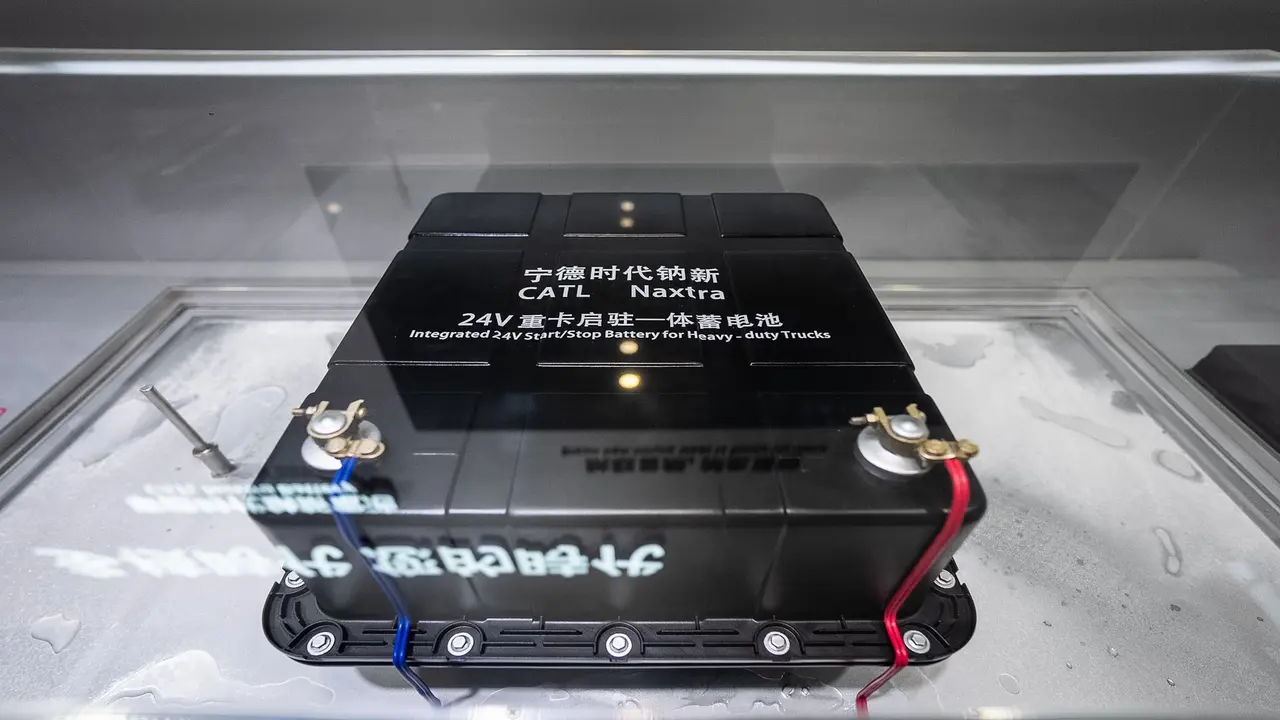
CATL states that it has overcome the obstacles faced by sodium-ion technology, which was previously plagued by issues such as low energy density and high production costs. The company is pushing the boundaries of this technology with two new products: the Naxtra battery pack and the Freevoy hybrid system.
The Naxtra battery pack, with its 175 Wh/kg energy density, offers competitive performance compared to sodium-based systems. Operating reliably even in harsh temperatures ranging from -40°C to 70°C, it can withstand over 10,000 charge cycles. This lifespan theoretically equates to 5.8 million kilometers of driving.
This durability transforms the battery from a mere car component into an infrastructure energy source. The Naxtra provides a range of approximately 500 kilometers on a single charge. This performance rivals that of commonly used LFP batteries, but lags behind premium nickel-based lithium batteries.
The Freevoy hybrid system, another CATL initiative, combines two different battery chemistries in a single pack. The system includes classic LFP, high-performance NMC, and sodium-ion configurations. Freevoy’s energy management system automatically selects the optimal combination based on the conditions. For example, sodium is used in cold weather, while lithium is used when extended range is needed.
CATL announced the start of mass production and plans to integrate sodium-ion batteries into 30 vehicle models, including Geely, Chery, and GAC. However, significant infrastructure investments are required for this technology to be produced at a scale that will meet global demand.
CATL states that the ease of adapting existing lithium-ion production lines will accelerate this process. For sodium-ion batteries to truly demonstrate their potential, real-world performance is essential once they hit the road.