

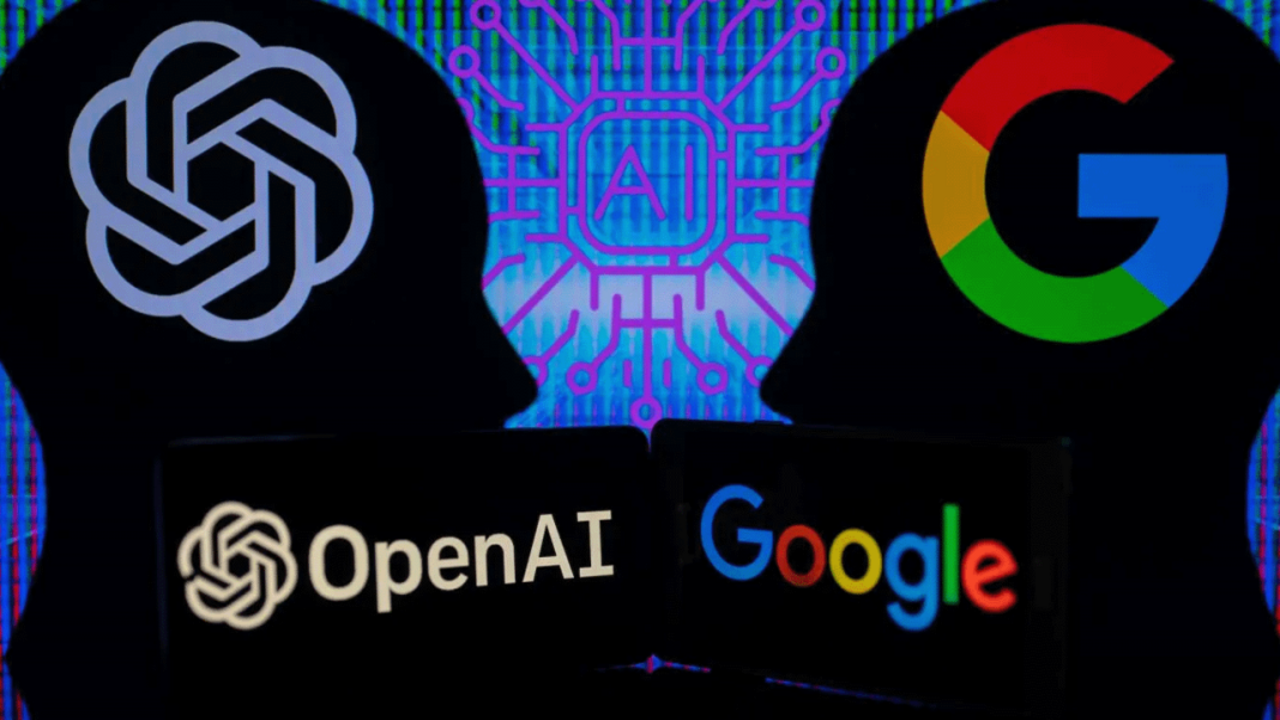
The long-standing dominance of OpenAI in the AI market is being shaken by Google’s aggressive moves. Recent data reveals that Google Gemini has more than tripled its share of productive AI web traffic in just one year, increasing from 5.4% to 18.2%.
Gemini is closing the gap
In the face of this rapid rise, ChatGPT, the market leader, is experiencing significant losses. Having dominated the sector with an overwhelming 87.2% share in the past, ChatGPT’s market share has fallen to 68%. This demonstrates that Google’s AI strategies are beginning to resonate with users.
The change in the user base also confirms the market share data. According to figures shared by Sensor Tower, Gemini increased its monthly active users by over 30% to 346 million in the short period between August and November 2025.
During the same period, ChatGPT’s user growth rate remained at 6 percent, significantly lagging behind Gemini’s performance. Google’s success is based on integrating AI directly into ecosystems already used by billions of people, such as Android, Chrome, and Google Workspace, rather than treating it as a standalone tool. Visual production models like “Nano Banana” and the default inclusion of Gemini 3 Flash in the search engine further strengthened this momentum.
This sharp decline in market share and Google’s technological advances triggered an operational alert at OpenAI. To maintain market leadership, company management declared an “emergency” internally and accelerated development processes.
In this context, the GPT-5.2 model, initially planned for a later date, was released early on December 11th in response to Google’s Gemini 3 move. With this new model, OpenAI is attempting to regain lost ground by improving its performance, particularly in coding, mathematics, and long-context reasoning.