
ChatGPT Returns to WhatsApp for European Users Under New Mandate

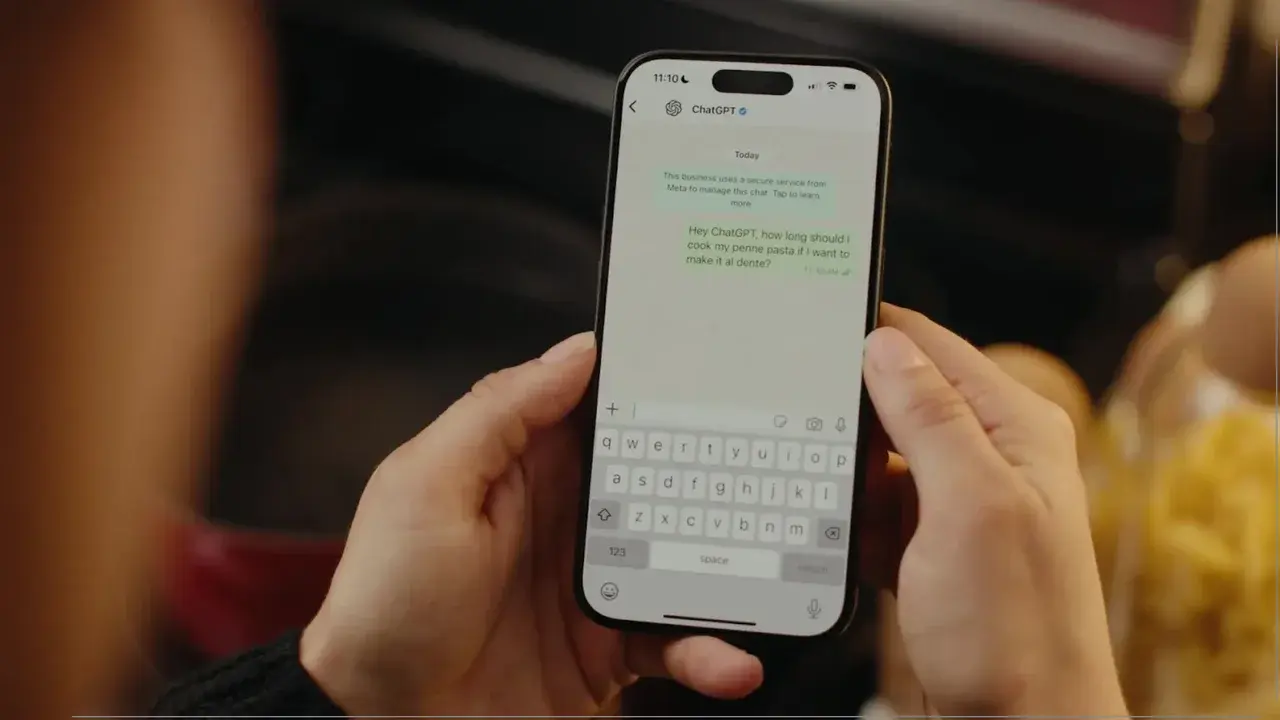
Following a decisive intervention by the European Commission, ChatGPT has officially returned to WhatsApp for users across the European Economic Area. This development marks a significant shift for Meta, which had previously restricted third-party chatbot access, first by banning them entirely last November and later by implementing a paid-access model in March. Under the new regulatory pressure from European authorities, Meta is now required to provide free access to these services. European WhatsApp users can once again interact with the advanced artificial intelligence directly within their messaging interface, bypassing the need for any additional software installations or complex configurations.
- The European Commission has mandated that Meta provide free access to third-party chatbots for all users within the European Economic Area.
- Meta previously attempted to monetize this integration through a paid model after an initial total ban on third-party bots.
- Users can access the service via the 1-800-CHATGPT contact number without installing extra applications.
- The current integration supports multimedia interactions including image uploads, voice messaging, and AI-driven image generation.
European Authorities Are Enforcing Open Access Standards
The decision by the European Commission highlights the growing influence of digital regulatory frameworks on global technology platforms. By compelling Meta to reopen its ecosystem, European regulators aim to ensure that users maintain access to competitive digital tools without being subjected to restrictive pricing models imposed by platform owners. This enforcement action serves as a temporary measure while the commission continues its broader investigation into Meta’s platform practices.
Meta is required to maintain free access for all third-party bots until the final findings of the European Commission investigation are delivered.
WhatsApp Integrates Advanced AI Capabilities
The integration of ChatGPT into the WhatsApp platform offers a seamless experience for those residing in Europe. By utilizing the 1-800-CHATGPT identifier, users can engage in text-based conversations that mirror the functionality found in the standalone ChatGPT application. 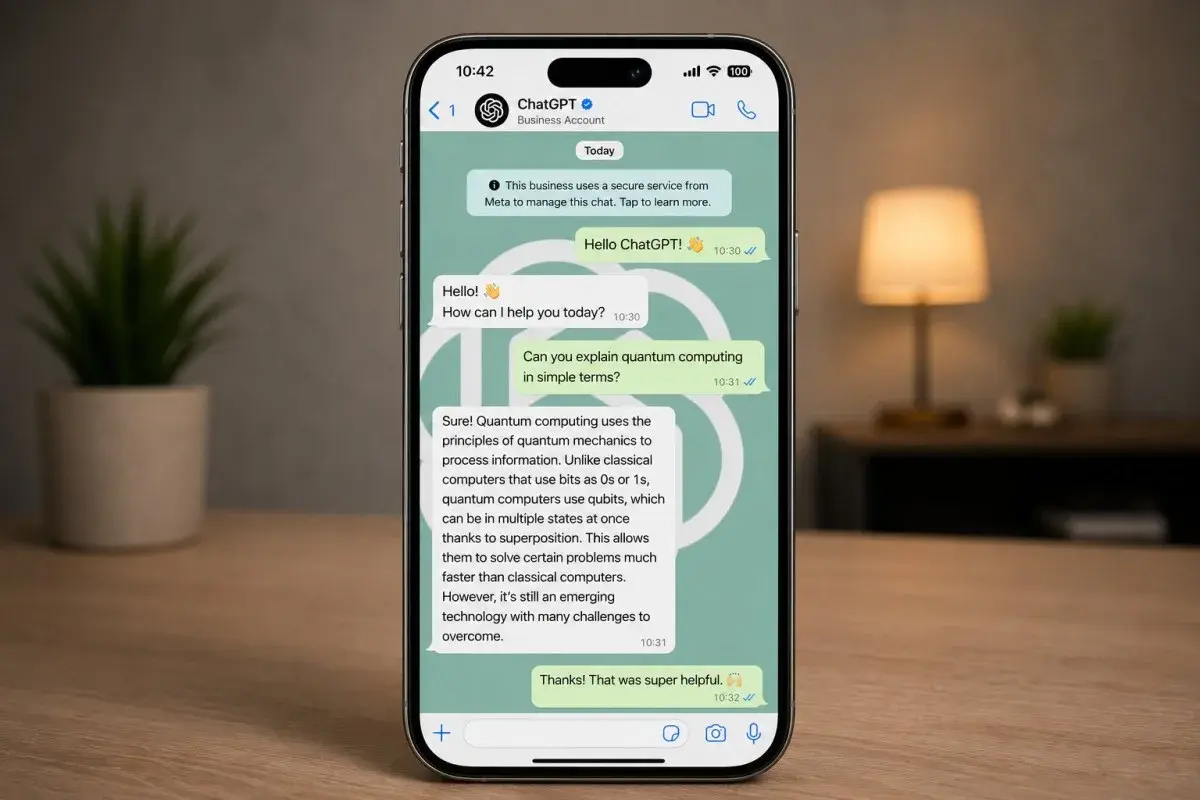 This accessibility allows for high-level productivity and communication directly through a familiar interface.
Beyond basic text processing, the integration features sophisticated capabilities. Users are permitted to upload images for analysis, send voice notes for transcription or processing, and even generate new visual assets through the chat interface. These features signify a major leap in how messaging applications function as multifunctional productivity hubs rather than just simple communication tools.
Regulatory Pressures Are Reshaping Industry Policies
This forced reversal represents a notable departure from Meta’s earlier strategy to commoditize AI access on its messaging platform. The shift underscores the reality that large-scale technology companies must align their business models with the regulatory expectations of the European market. As the investigation progresses, the tech industry remains observant, as the final ruling will likely establish a precedent for how messaging platforms manage third-party software integrations and user accessibility.
The current landscape suggests that digital platform operators will face stricter scrutiny regarding the interoperability of their messaging services.
The ongoing dialogue between regulatory bodies and major tech firms continues to determine the future of digital connectivity in Europe. While this change is currently localized to the European Economic Area, the broader implications for global platform governance remain a topic of significant industry debate.
We are interested to know your perspective on these regulatory changes; do you believe that authorities should dictate how third-party integrations operate within messaging platforms, or should companies retain full control over their own ecosystems? Please share your thoughts in the comments section below.
Your comment has been submitted,
it will be published after approval.