

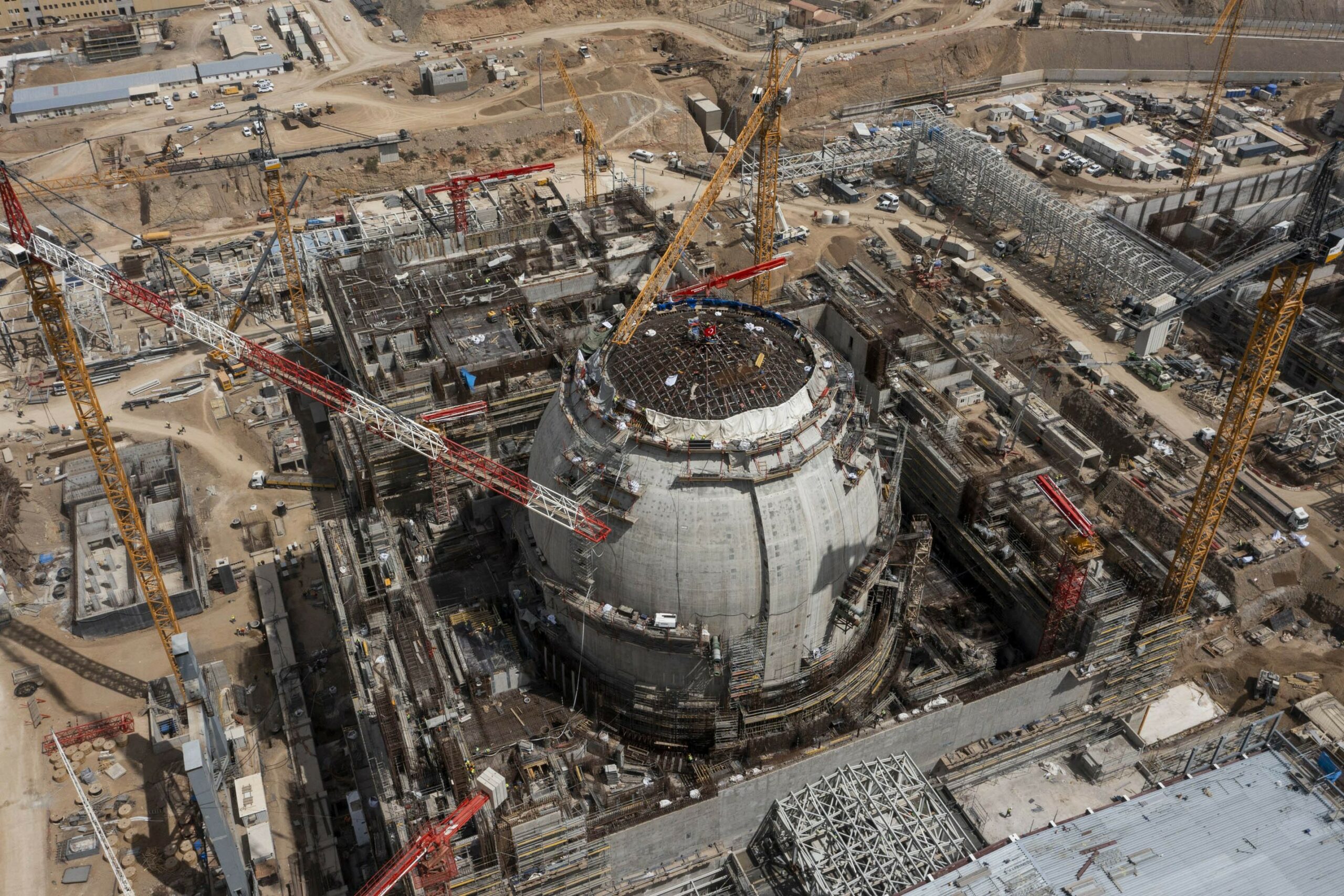
Recent statements by the International Atomic Energy Agency (IAEA) have once again turned the world’s attention to Ukraine. It has been officially confirmed that the Chernobyl protective shield sustained serious damage following an attack in February. The damage to this massive structure, which has become a symbol of nuclear safety, raises new questions about radiation safety in the region.
Chernobyl protective shield under drone attack
The effects of the war in Ukraine continue to be felt on nuclear facilities. According to a report shared by the IAEA, the massive steel structure covering the 4th reactor of the Chernobyl Nuclear Power Plant was targeted by a drone attack. Built at a cost of approximately 1.5 billion euros and completed in 2019, the structure was designed to prevent radiation from escaping from the reactor.
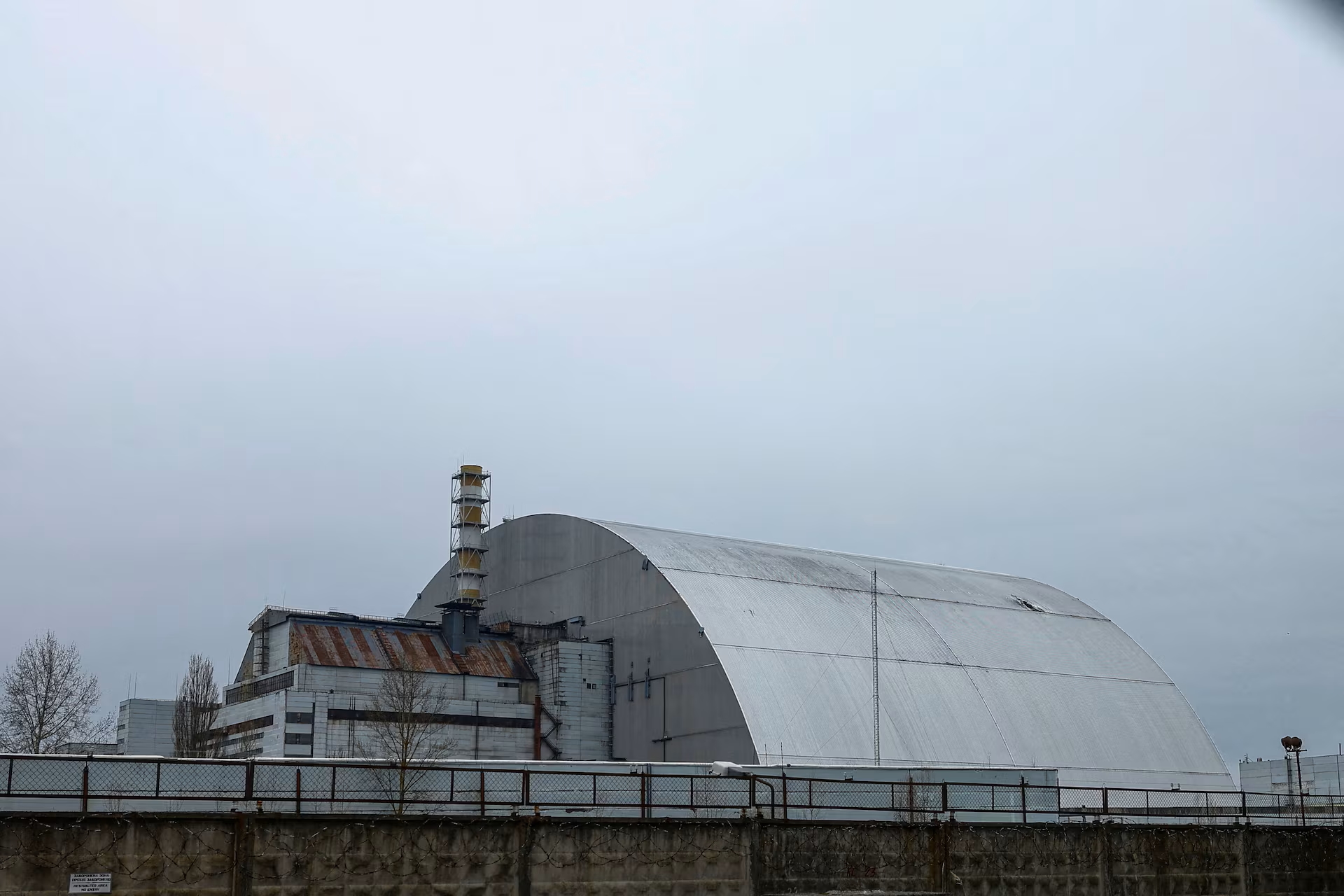
The attack reportedly left a hole approximately 15 square meters wide in the outer surface of the shield. This damage has caused the structure to lose its primary safety functions. Agency Director Rafael Grossi emphasized that while some temporary repairs have been made in the area, a much more comprehensive maintenance process is essential for the long-term safety of the structure.
However, the extent of the damage is not limited to a physical hole. Experts point out that this weakness in the steel structure increases the likelihood of radioactive dust inside leaking out. Harsh weather conditions, especially during the winter months, could cause the existing hole to enlarge or the structure to corrode.
This new shield, hastily installed by the Soviet Union after the 1986 disaster to dismantle the concrete sarcophagus and clean up the nuclear waste beneath, was planned as an engineering marvel designed to last 100 years. However, the devastating effects of war have disrupted these plans.
According to IAEA reports, radiation levels in the area are currently stable, and no leaks have been detected. However, officials emphasize that this is no reason for complacency. They warn that without strong and permanent repairs, the safety margin will gradually narrow, potentially posing greater risks in the future.
As a result, Chernobyl, overshadowed by the conflict between Ukraine and Russia, remains an active threat. While the Kyiv government blames Russia for the attack, Moscow denies these claims. While political tensions persist, scientists emphasize that nuclear security is a trans-political issue.
So, what are your thoughts on the Chernobyl protective shield? Share your thoughts with us in the comments!