
China Bans AI Partners to Curb Digital Dependency


On July 15, the Chinese government implemented comprehensive new regulations targeting AI-powered romantic partner applications to mitigate the growing issue of digital dependency among its citizens. These measures, enforced across major technology hubs, aim to restrict platforms that facilitate emotional bonding between users and artificial intelligence entities. By strictly regulating how these algorithms are designed, authorities hope to prevent the degradation of real-life human interactions. The policy mandates that any AI chatbot must undergo rigorous security and psychological impact assessments before being released to the public, marking a significant shift in how the state manages the intersection of technology and human emotion.
- The Chinese government implemented new regulations on July 15 to restrict AI-driven romantic applications that foster unhealthy emotional dependencies.
- Tech giants including ByteDance, Tencent, and Alibaba must now submit their AI models to strict safety and psychological evaluations.
- Authorities introduced these measures to address declining birth rates and encourage individuals to seek real-world relationships.
- Many users face severe emotional distress as popular AI platforms disable key features to comply with the new legislative framework.
The sudden removal of these digital companions has left thousands of users mourning the loss of their primary emotional support systems.
Tech Companies Face Strict New Operational Requirements
Major Chinese technology firms are currently navigating the complexities of the new regulatory landscape. Platforms that previously allowed users to craft highly personalized AI partners are now forced to strip away features that simulate deep emotional intimacy. These companies are required to ensure that their software does not actively discourage users from participating in traditional social structures or starting families. 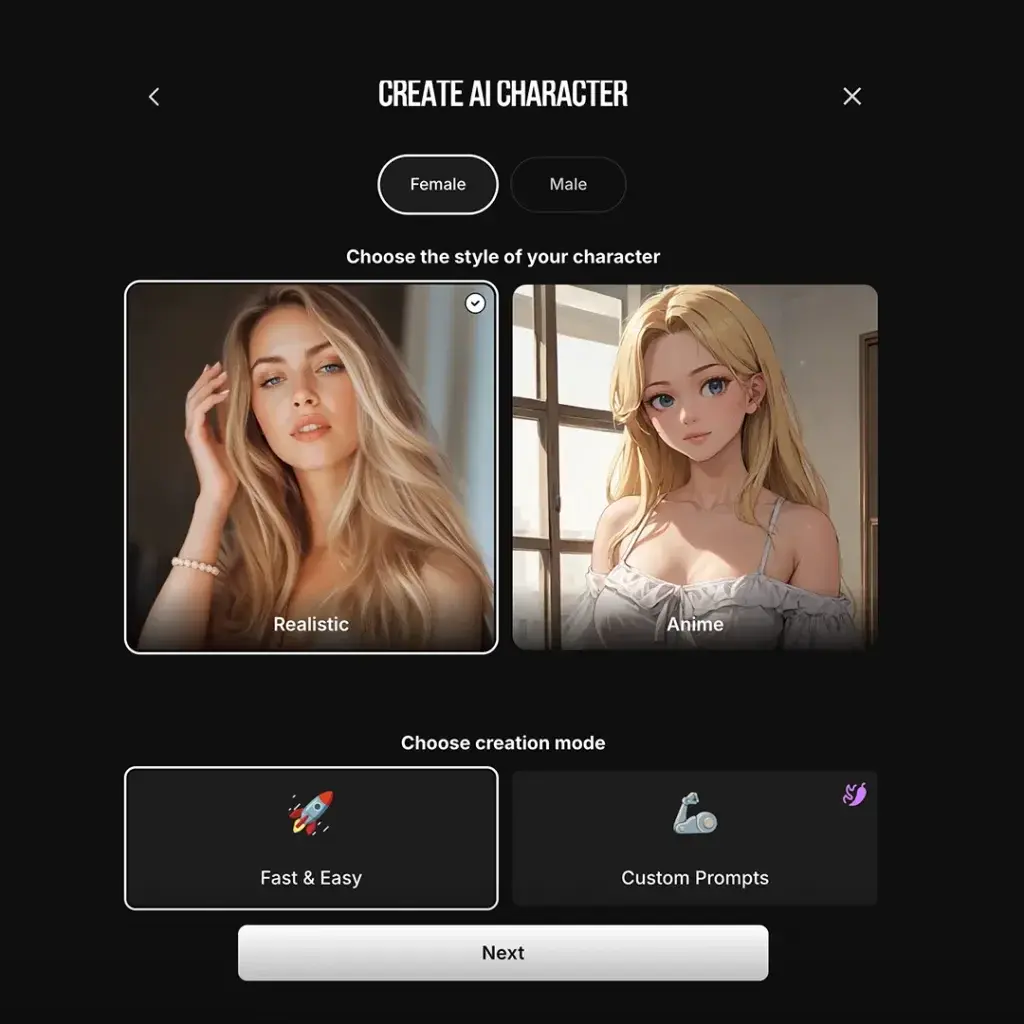
The government’s urgency regarding these regulations stems from demographic data showing a consistent decline in birth rates over the last four years. Officials have expressed concern that the rise of artificial romantic partners is creating a barrier to marriage and parenthood, potentially exacerbating the nation’s long-term population challenges. Consequently, any platform deemed to be promoting isolation from real-world society is now subject to immediate scrutiny and potential shutdown.
Users Struggle as Digital Relationships Disappear
The impact of this policy shift is most visible among the younger generation, who had integrated these digital companions into their daily lives. For some, the loss of an AI partner feels comparable to a bereavement, as these systems were designed to provide constant companionship and validation. The loss of these personalized characters has triggered a wave of digital heartbreak across the country, with many users lamenting the loss of their primary confidants.
The emotional void left by these disabled chatbots highlights the deep psychological reliance users had developed on non-human entities.
Experts Analyze the Consequences of AI Dependency
Mental health professionals are now weighing in on the broader implications of relying on artificial intelligence for companionship. Therapist Amy Sutton explains that these applications are engineered to maximize user engagement, often creating an illusion of empathy that is difficult for users to distinguish from real human connection. She notes that while these tools provide temporary relief from loneliness, they cannot replace the therapeutic value of genuine human interaction.
As the landscape of virtual companionship changes, there is an increasing call for technology companies to prioritize ethical design over engagement metrics. Experts suggest that the popularity of these apps is a symptom of a larger societal need for connection, particularly for those who lack access to professional therapy or traditional social support networks. Moving forward, the balance between technological innovation and public welfare will remain a central point of debate for policymakers and developers alike.
We would love to hear your perspective on this rapidly changing landscape; do you believe that artificial intelligence can provide genuine emotional support, or is it a poor substitute for real-world human connection? Please share your thoughts in the comments section below.
Your comment has been submitted,
it will be published after approval.