
The CES 2026 technology fair in Las Vegas is witnessing a major showcase from Chinese companies in the humanoid robot sector. According to official data, 21 out of the 38 exhibitors in the humanoid robot category are Chinese-based manufacturers. This strong presence signals a significant shift in the global robotics landscape, with Chinese humanoid robots poised to become a dominant force.
The Surge of Chinese Humanoid Robots
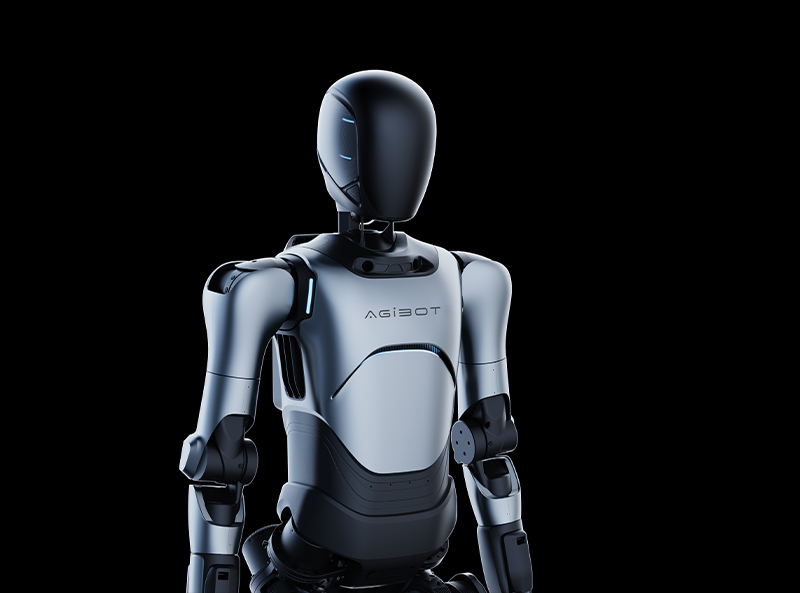
Leading the charge are companies like Agibot and Unitree Robotics, which are demonstrating China’s ambition to lead the global market through impressive innovation and scale. Shanghai-based Agibot, for instance, achieved a significant milestone even before the event began. The company successfully rolled out 5,000 mass-produced humanoid robots by December 2025, proving its large-scale manufacturing capabilities. This number starkly contrasts with Western competitors like Tesla Optimus, which is estimated to have produced only a few hundred units.
Furthermore, Chinese companies are employing an aggressive pricing strategy to capture the market. Unitree Robotics is offering its G1 model for a remarkably accessible price of $13,500, while its more advanced H1 model is available for $90,000. The company also opened the world’s first physical humanoid robot store in Beijing, allowing consumers to experience the technology firsthand. This move paves the way for robots to be delivered directly to homes through e-commerce logistics networks.
How Western Companies are Responding
In contrast, Western manufacturers are focusing on advanced artificial intelligence collaborations to maintain their competitive edge. Boston Dynamics, owned by Hyundai, publicly unveiled the production-ready version of its electric Atlas robot for the first time. Capable of lifting approximately 50 kilograms and operating in harsh weather conditions, Atlas represents the pinnacle of advanced robotics. Thanks to a partnership between Hyundai and Google DeepMind, the plan is to actively deploy Atlas in automotive factories by 2028.
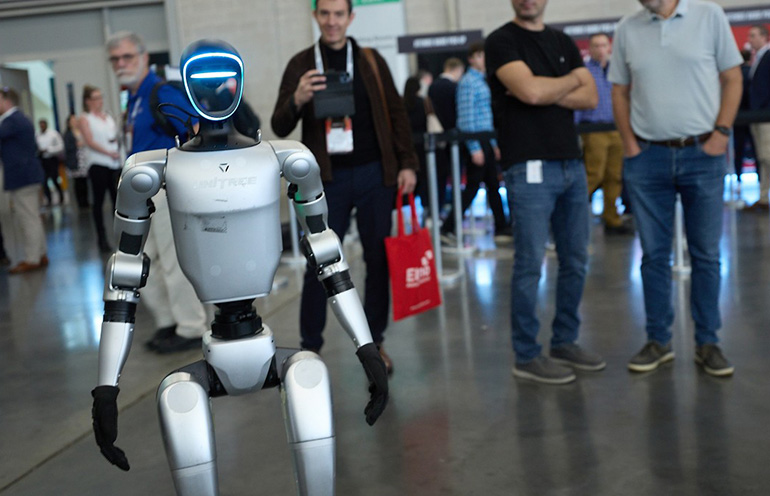
This industry landscape highlights a clear strategic divide: China is leveraging its speed in mass production and cost advantages, while Western companies are aiming to differentiate through deep AI integration. As humanoid robots rapidly become a part of daily life, the technology world is on the brink of a major transformation.
So, what are your thoughts on the rise of humanoid robots? Share your opinions with us in the comments!