
Console Market Hits 25-Year Low as Sales Plummet in 2026

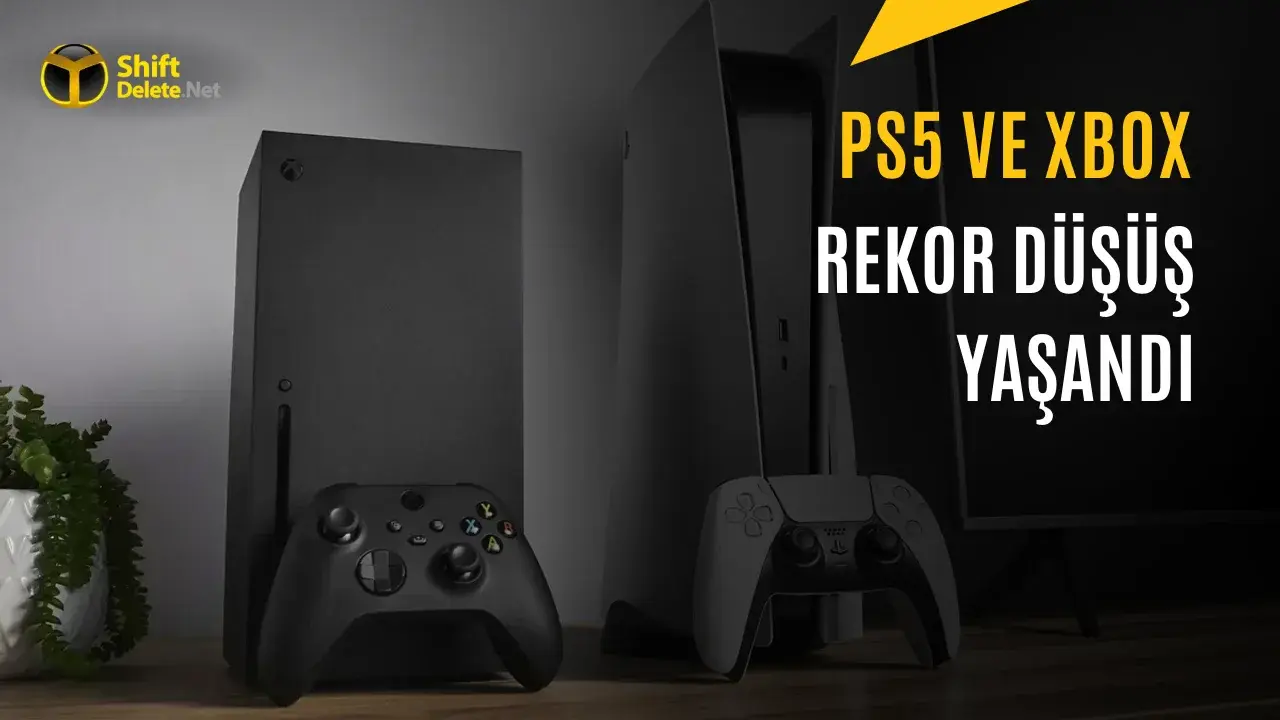
The global video game console market is experiencing a significant downturn, reaching record-low levels as of August 2026. According to data released by the research firm Circana, hardware sales for industry giants Xbox and PlayStation have failed to meet expectations throughout the first eight months of the year. Industry analyst Mat Piscatella highlighted that Xbox unit sales dropped by 33% compared to the previous year, while PlayStation units fell by 25%. This downward trend in the United States retail sector suggests a broader stagnation within the gaming hardware industry that has not been seen in decades.
- Xbox hardware sales reached an all-time low since the brand’s inception with a 33% year-to-date decline.
- PlayStation hardware units dropped by 25%, marking the lowest sales volume for the brand since 2013.
- Market analysts attribute the sharp decline in consumer interest to significant price increases for premium console models.
Hardware Sales Reach Historically Low Levels
The latest figures from Circana’s US Retail Tracking Service indicate that the gaming industry is facing a period of unprecedented contraction. For the year-to-date period ending in August 2026, the performance of major hardware platforms has been underwhelming. Xbox hardware unit sales have plummeted by 33% compared to the same period in 2025. This represents the lowest sales volume ever recorded for the Xbox brand since the original console was introduced over two decades ago.
The situation for Sony is similarly concerning, as PlayStation hardware units have seen a 25% decrease. This drop brings PlayStation sales to their lowest point since 2013. While the 2013 decline was largely attributed to consumers waiting for the launch of the PlayStation 4, the current situation in 2026 appears to be driven by different, more systemic factors. Unlike previous cycles where a dip preceded a new generation, this trend suggests a more permanent cooling of the market.
Rising Prices Directly Impact Consumer Purchasing Decisions
A primary catalyst for this market contraction is the significant increase in hardware pricing. The cost of entry for high-end gaming has reached new heights, with the Xbox Series X price climbing to approximately $800. Such a steep price point has created a barrier for many potential buyers who might have otherwise upgraded their systems. The perceived value of the hardware is being questioned as the financial burden on consumers continues to grow.
Sony has also faced criticism regarding its pricing strategy, particularly with the PlayStation 5 Pro model. With a price tag of $900, the console has become a luxury item that many gaming enthusiasts are hesitant to purchase. These high price tags, combined with broader economic pressures and inflation, have made consumers more cautious. The psychological threshold for what a gaming console should cost has been surpassed, leading to the sharp decline in unit sales seen in the 2026 data.
Market Dynamics Shift Toward Broad Industry Stagnation
The data provided by industry experts like Mat Piscatella proves that the current decline is not merely a temporary fluctuation. Instead, it reflects a fundamental shift in how the console market operates. The hardware sales volume is shrinking at a rate that suggests the market may have reached a saturation point. As the cost of components and manufacturing remains high, manufacturers are passing those costs to the consumer, which in turn stifles growth.
The cooling interest in traditional consoles also raises questions about the overall health of the gaming ecosystem. If fewer players are entering the ecosystem through hardware purchases, the long-term software and service revenue could also be at risk. This stagnation is a clear signal that the traditional model of selling subsidized hardware to build a user base is facing its most significant challenge in 25 years.
Console Manufacturers Face Pressing Strategic Challenges
The current state of the console market will likely force companies like Microsoft and Sony to reevaluate their long-term business models. If hardware sales continue to struggle, the focus may shift even more heavily toward subscription services, cloud gaming, or cross-platform software sales. The historical data from 2026 serves as a wake-up call for the industry, indicating that the era of rapid hardware expansion may be coming to an end.
Industry observers are now closely watching how these companies will respond to the record-low sales. Whether through price cuts, more aggressive software bundles, or a complete pivot in hardware design, the next few years will be critical for the survival of the traditional console format. The 25-year low for Xbox and the post-2013 low for PlayStation mark a definitive turning point for global gaming.
How do you feel about the current prices of gaming consoles, and do you think they are still worth the investment? Share your thoughts on the future of the gaming industry in the comments section below!
Your comment has been submitted,
it will be published after approval.