
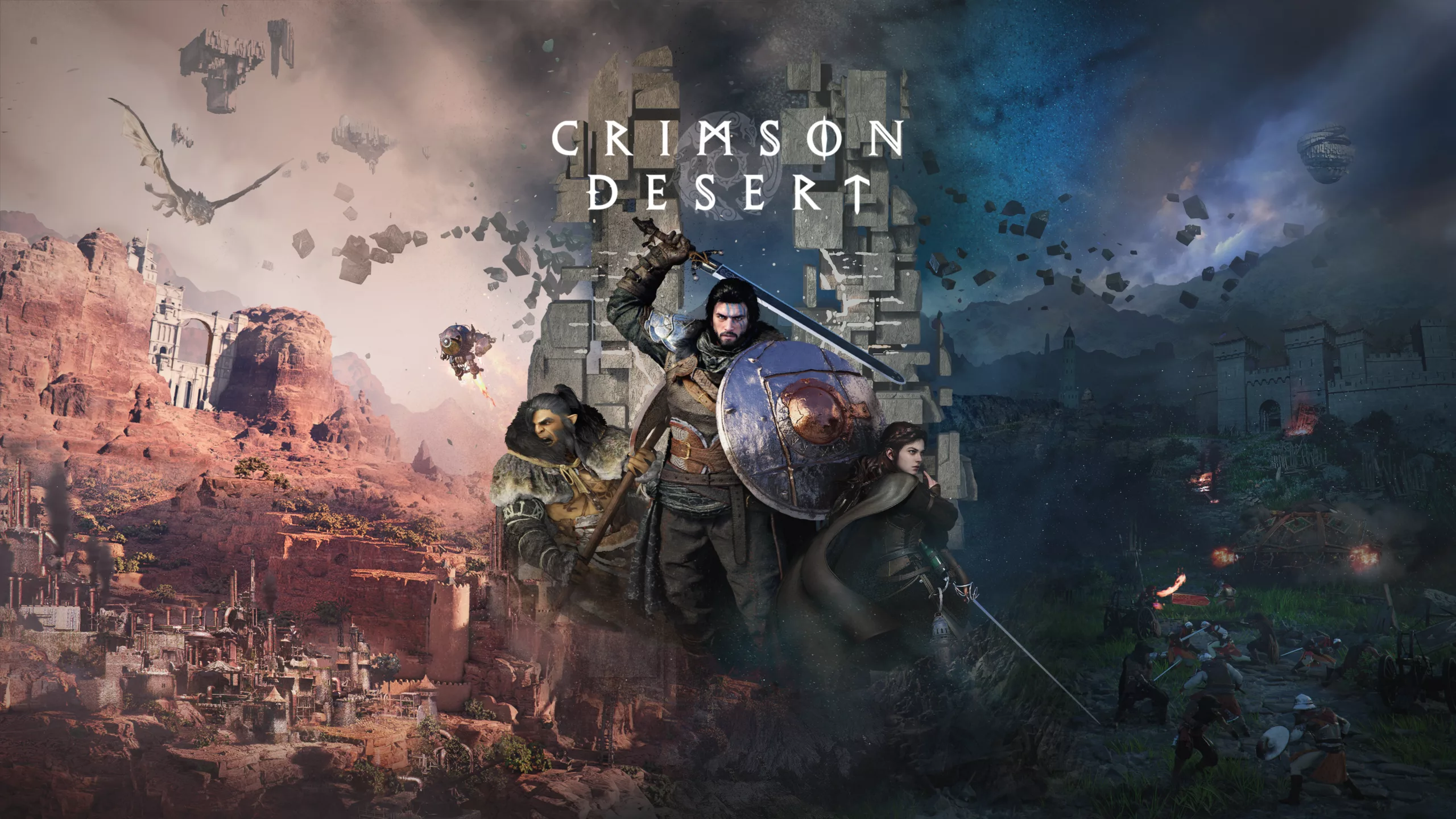
One of the most anticipated titles in the gaming world, Crimson Desert, which has pushed visual boundaries to new heights, fell into the crosshairs of the piracy world shortly after its release. Developed by Pearl Abyss, this massive open-world action-adventure was protected by Denuvo, a security measure often considered “unbreakable.” However, today’s news suggests a shift in the cybersecurity landscape.
A Major Blow to Denuvo: Crimson Desert Bypass Released
A group known in the scene by the alias “Denuvowo” announced they have released a specialized “bypass” method for Crimson Desert version 1.02.00. What makes this development particularly interesting is the technique used. Unlike traditional cracking methods, this time a Hypervisor-based technology was employed. Instead of directly modifying the game’s code, this method creates a virtualization layer at the processor level to manipulate Denuvo’s verification checks.
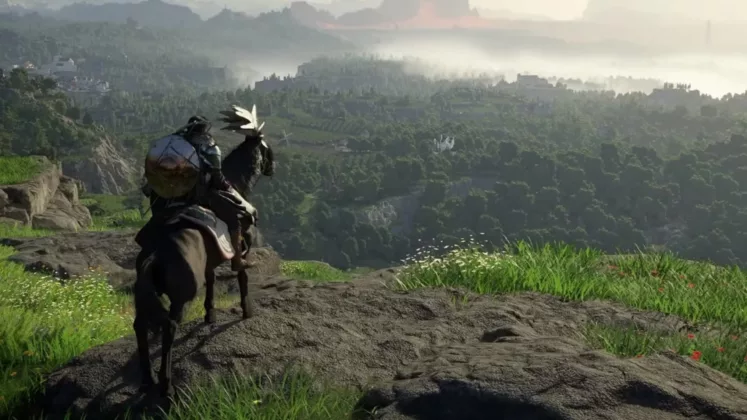
Normally, Denuvo sends thousands of verification signals to a master server during gameplay, which often results in significant performance drops. The Hypervisor method intercepts these signals and feeds the game a “success” signal, tricking it into thinking everything is legitimate. For a resource-heavy title like Crimson Desert, this has sparked a massive debate among both legitimate buyers and pirates.
Performance and Security Debates
Pearl Abyss used its own proprietary engine to develop Crimson Desert. While the game’s detailed physics interactions and high-resolution textures already push hardware to its limits, the added overhead of Denuvo had been heavily criticized by players. Early reports suggest that bypassing Denuvo checks might lead to a more stable frame rate, especially on low and mid-range CPUs. While Pearl Abyss has not yet issued an official statement, developers are expected to release a security hotfix for version 1.02.00. However, because Hypervisor-based methods operate so close to the hardware level, blocking them with software patches is notoriously difficult.
The Gaming World’s Piracy Dilemma
Crimson Desert is already being hailed as one of the best games of the year due to its storytelling and combat mechanics. However, the game’s $70 price tag continues to drive interest in these pirated versions. Industry analysts believe that such a rapid and sophisticated bypass of Denuvo will force other AAA developers to rethink their security strategies.
Crimson Desert Current System Requirements
Minimum Requirements:
- OS: Windows 10 (64-bit)
- CPU: Intel Core i5-9400 / AMD Ryzen 5 2600X
- Memory: 16 GB RAM
- GPU: NVIDIA GeForce GTX 1660 / Radeon RX 590
- Storage: 120 GB SSD
Recommended Requirements:
- OS: Windows 11 (64-bit)
- CPU: Intel Core i7-12700 / AMD Ryzen 7 5800X
- Memory: 32 GB RAM
- GPU: NVIDIA GeForce RTX 3080 / Radeon RX 6800 XT
- Storage: 150 GB NVMe SSD
The battle between Denuvo and third-party bypass methods has entered a new “virtualized” phase. Given your PC specs—a Ryzen 5 3600 and RTX 3070—you fall right between the minimum and recommended specs for this title. Do you think the potential performance boost from removing Denuvo justifies the security risks of third-party bypasses, or would you prefer to wait for an official sale? Share your thoughts in the comments!
Would you like me to research official performance benchmarks comparing the Denuvo-enabled version versus the bypass on mid-range hardware like yours? Let me know!